Success Stories of Students at the “My Horizons” Lyceum: Wins, Startups, and Research Projects

School years are not only about lessons and grades. They are an environment where character is shaped, first dreams emerge, and both small and major achievements are born. That is why it is so important to see real results, not just polished words in presentations. Today, we are sharing what we are especially proud of: the successes of students at the “My Horizons” Lyceum.

These are different stories. Some students are drawn to science, others create their own projects, while some find themselves in creativity or civic initiatives. What unites them all is the support of teachers, the belief of their families, and the child’s own willingness to work and not give up after the first mistake.

Victories in Olympiads and Competitions

Some of our lyceum students choose the path of deep academic immersion. They participate in city, national, and international intellectual competitions. For them, this is not only a test of knowledge, but also an opportunity to meet like-minded peers, experience a different level of challenges, and feel that their efforts bring real results.

Among the achievements are:

  • prize-winning places in Olympiads in mathematics, physics, computer science, and chemistry;
  • victories in language, literature, and history competitions;
  • participation and recognition in international online tournaments and intellectual marathons;
  • successful performances in citywide and national research competitions;
  • participation in projects of the Junior Academy of Sciences and specialized scientific schools;
  • special jury awards for creative and unconventional solutions to problems and projects.

These achievements are not about a “race for medals.” They show students that complex challenges are within reach and that knowledge opens doors to new educational opportunities in Ukraine and abroad.

Student Startups and Entrepreneurial Ideas

Another important area is student entrepreneurship. Teenagers experiment with creating their own products, apps, and social initiatives. Some projects emerge during coursework, while others are developed outside regular classes, when students form teams based on shared interests.

Most startup-related cases at “My Horizons” involve:

  • environmental initiatives;
  • small IT projects and mobile applications;
  • charitable and volunteer projects.

The value of these stories lies not only in financial outcomes. Students learn to work in teams, present ideas, take responsibility for results, accept feedback, and keep going after their first failures.

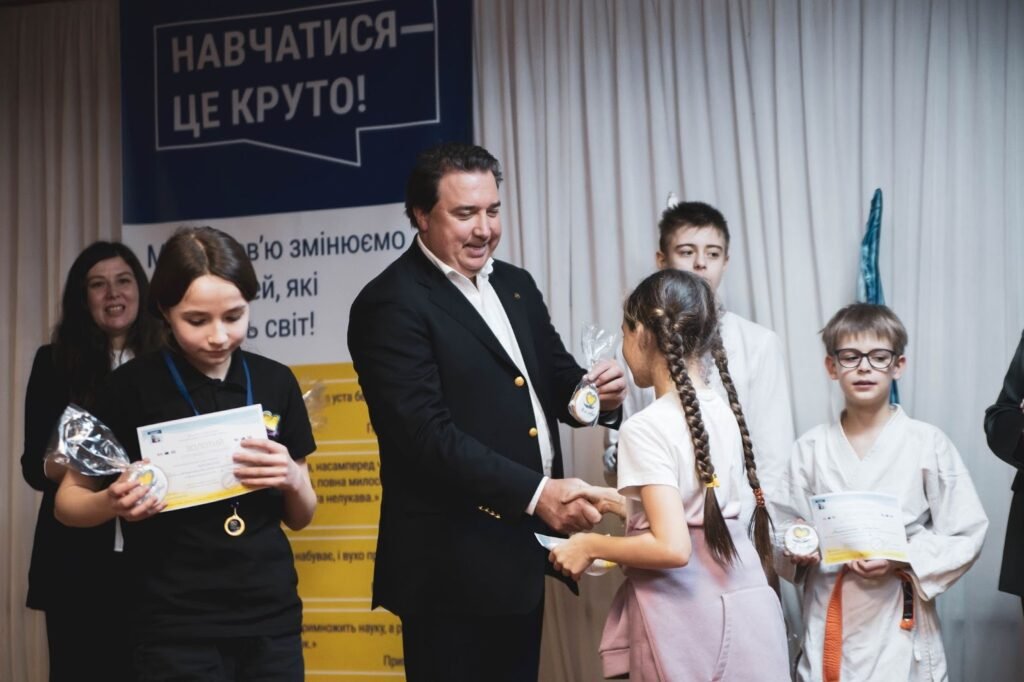
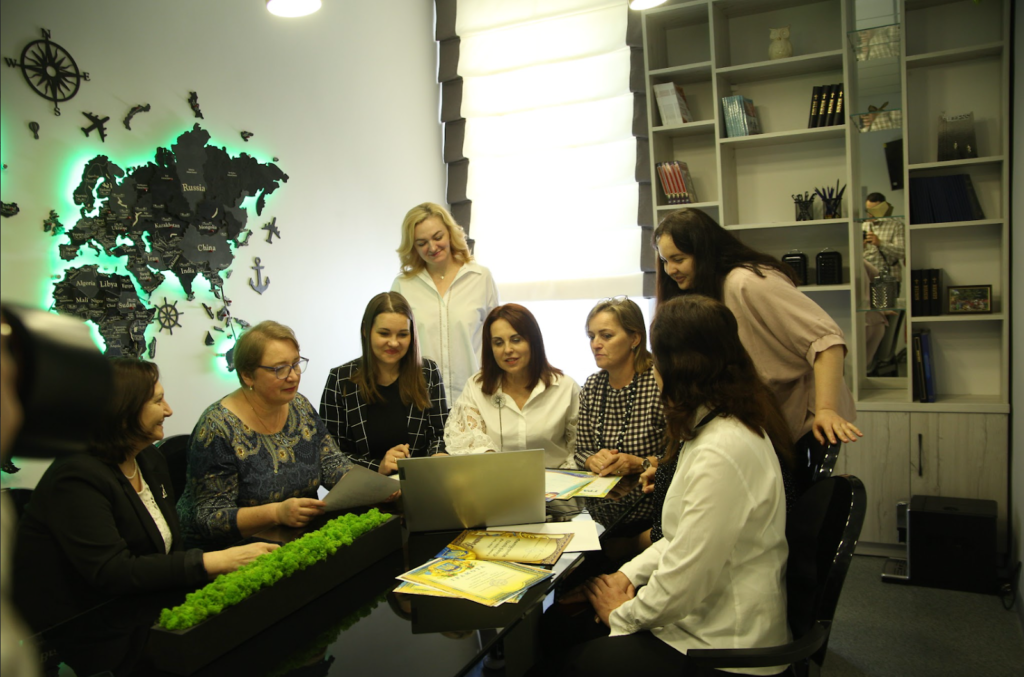
Глава закладу «Мої обрії» вітає дітей та команду педагогів.

Scientific Research and Project-Based Learning

Scientific and research work is an essential part of school life. Students work with mentors, formulate hypotheses, conduct experiments, and defend their projects at competitions and conferences. This provides experience of real scientific activity, not just following standard lab instructions.

It is here that many student achievements are born—achievements that later become the foundation for choosing a future profession. Some students continue their research at universities, participate in international programs, and enroll in prestigious educational institutions.

Why These Stories Matter

For us, it is not only medals, certificates, or photos on stage that matter. Much more valuable is the journey a child takes: from nervousness before a first presentation to confidently defending a project; from an uncertain “I probably can’t” to a calm “I want to try.” These kinds of achievements build inner resilience, teach students not to fear complex tasks, and help them understand that results come step by step.

Some students find their path in science, others in debates, and others in volunteer initiatives. In every case, behind the visible outcome are hours of preparation, doubts, working through mistakes, and the support of teachers and parents. These processes foster responsibility, independence, and the ability to see things through to completion.

Student achievements at the “My Horizons” Lyceum are always a team effort. They are the result of daily collaboration between students, families, and educators, and of an atmosphere of trust where mistakes are not shamed but analyzed and turned into lessons. This is how learning becomes not an “obligation,” but an opportunity to realize oneself, try something new, and gradually build one’s own path into the future.

Private Education in Ukraine: Myths and Reality

In recent years, interest in private education has been growing rapidly. Parents are increasingly considering alternatives to traditional public schools and seeking to understand whether investing in education truly pays off. Alongside this, many biases and misconceptions about private institutions have emerged. Some stem from outdated stereotypes, others from a lack of reliable information. To make a conscious choice, it is important to separate emotions from facts.

Below, we examine common myths and the real characteristics of studying at private schools, particularly when it comes to private lyceums in Kyiv.

Myths About Private Schools

Private education often finds itself at the center of debate. Some people consider it too expensive, others believe it is “detached from reality,” while some expect miraculous results without effort. From the outside, private institutions may appear closed or elitist, which fuels a whole system of stereotypes around them.

Parents ask themselves: Will there be excessive academic pressure? Will my child truly gain knowledge? Will learning turn into a simple “service without demands or responsibility”?

Below are the most common myths families encounter:

  • private schools “buy grades” instead of providing real knowledge;
  • only children from wealthy families study at private lyceums;
  • there is no discipline in such institutions;
  • private schools are isolated from real life.

These claims may sound convincing, but they are not universal. In reality, much depends on the specific school: its values, academic expectations, the professionalism of its teachers, and honesty in communication with parents. One private school may indeed be formal, while another may offer a strong academic foundation along with essential 21st-century skills. That is why it is important to look not at the label “private” or “public,” but at the actual content of the educational model and the environment in which your child will learn.

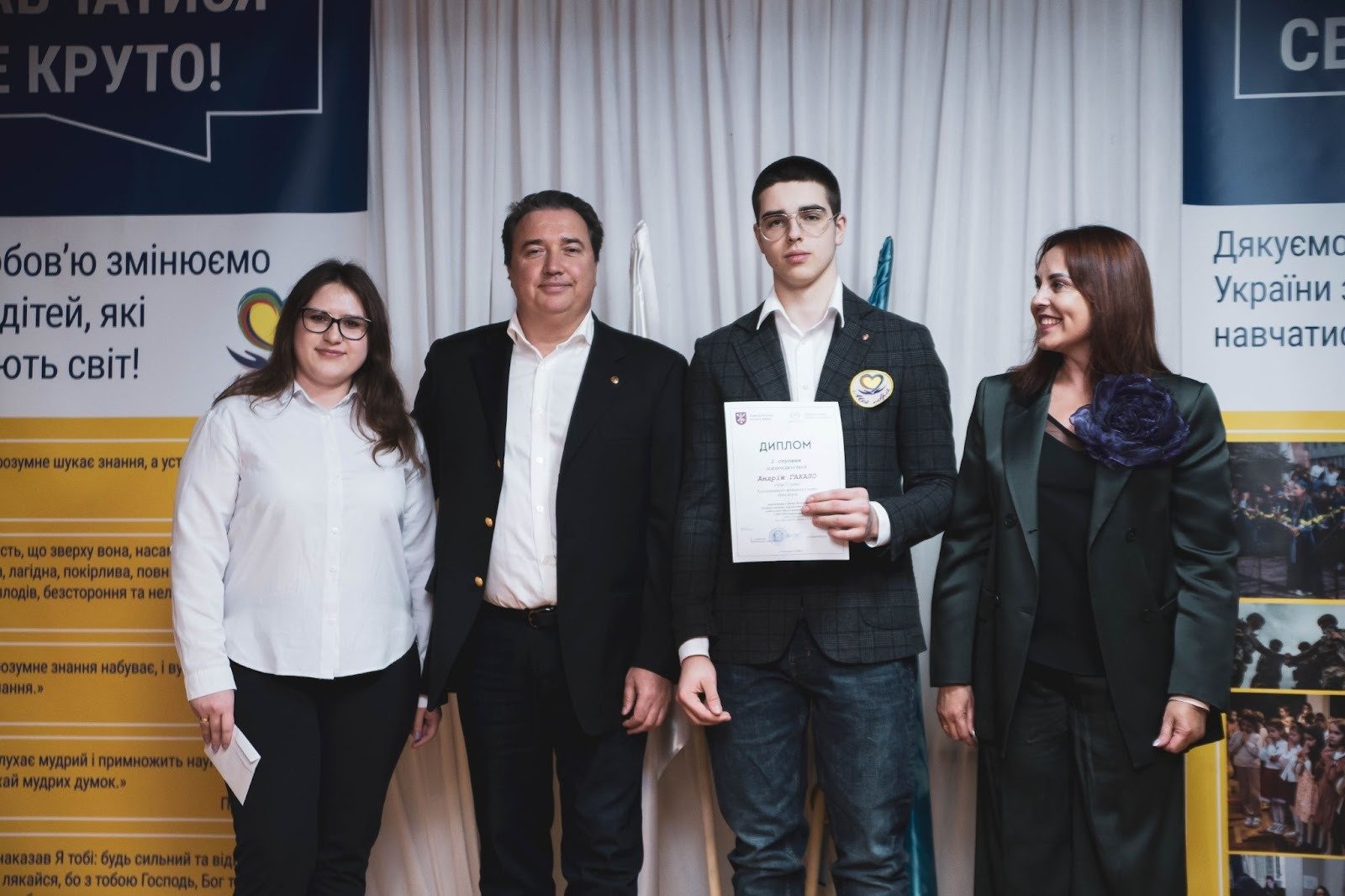
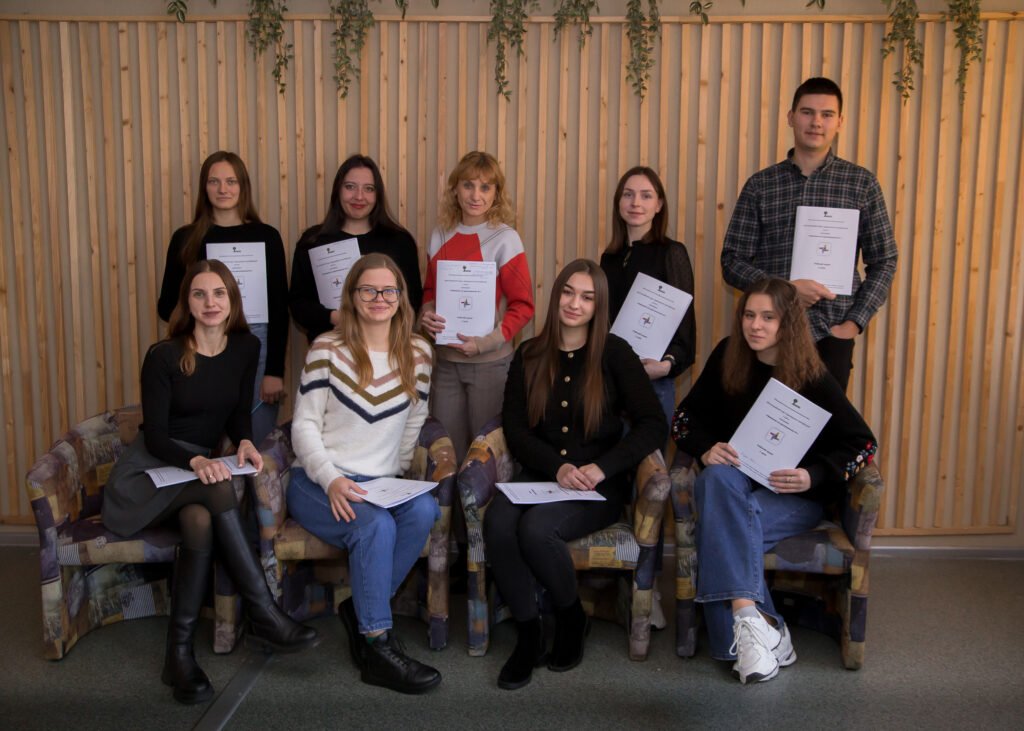
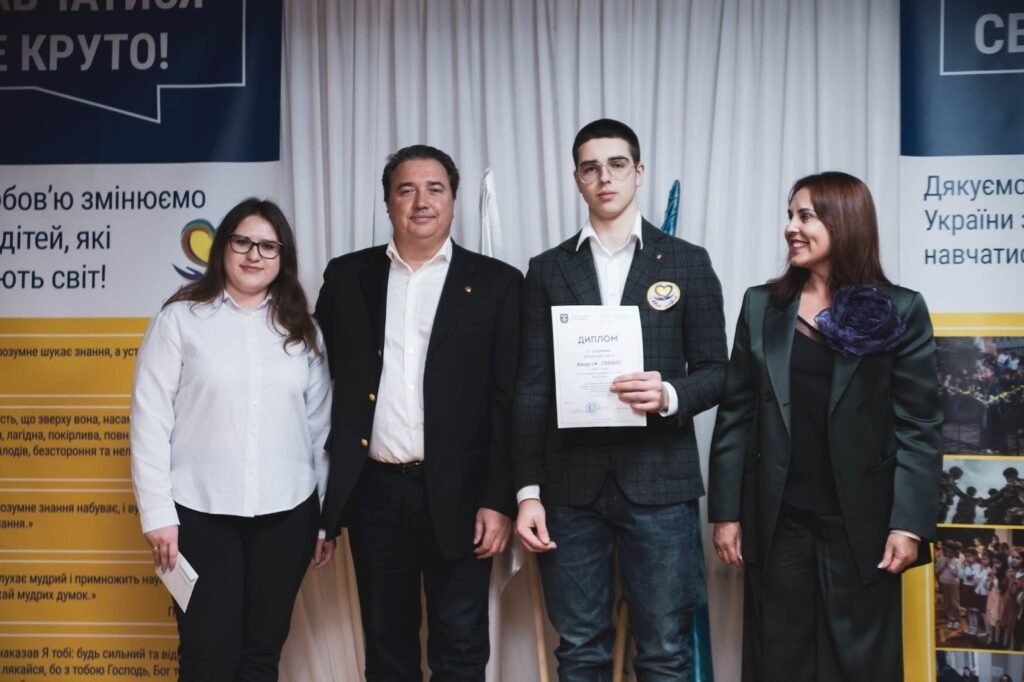
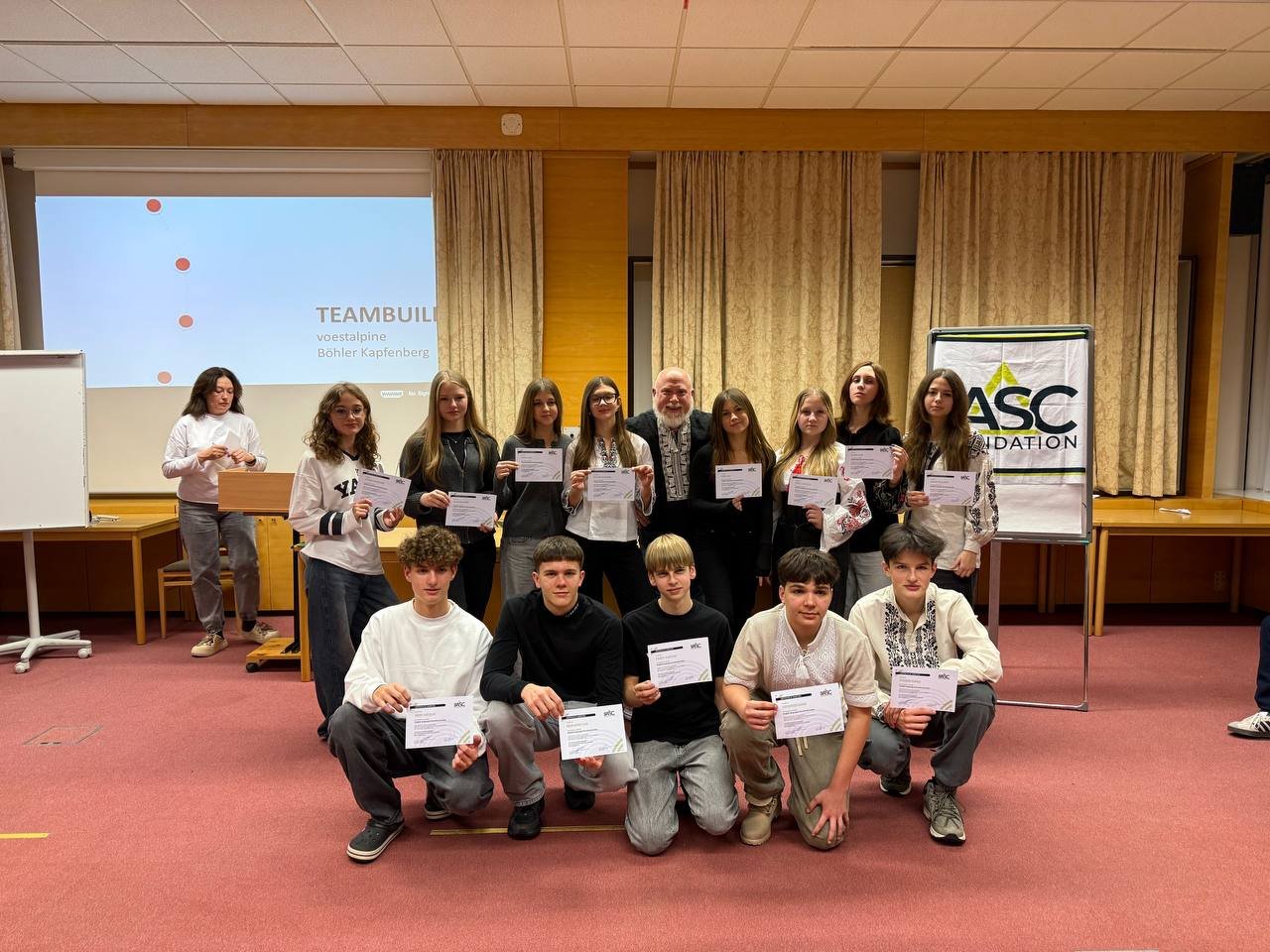
Учні з дипломами стоять у групі

What Private Education Really Offers

In most modern private lyceums, the focus is not only on test results, but on holistic development. Children are encouraged to discover their strengths, learn to work in teams, ask questions, and think critically. It is far more important not just to reproduce material, but to understand its practical value.

Private schools often have smaller class sizes, allowing teachers to give more attention to each student. Projects, debates, research assignments, and integrated lessons are actively used. This creates an environment where comfort is combined with high standards and responsibility.

Among the key advantages of private education are:

  • an individualized approach to learning pace and style;
  • close cooperation between the school and the family;
  • modern educational programs and opportunities for specialized learning.

It is important to emphasize that a private school is not an “easier path,” but a different format of organizing education—one where attention to the individual goes hand in hand with high expectations for results.

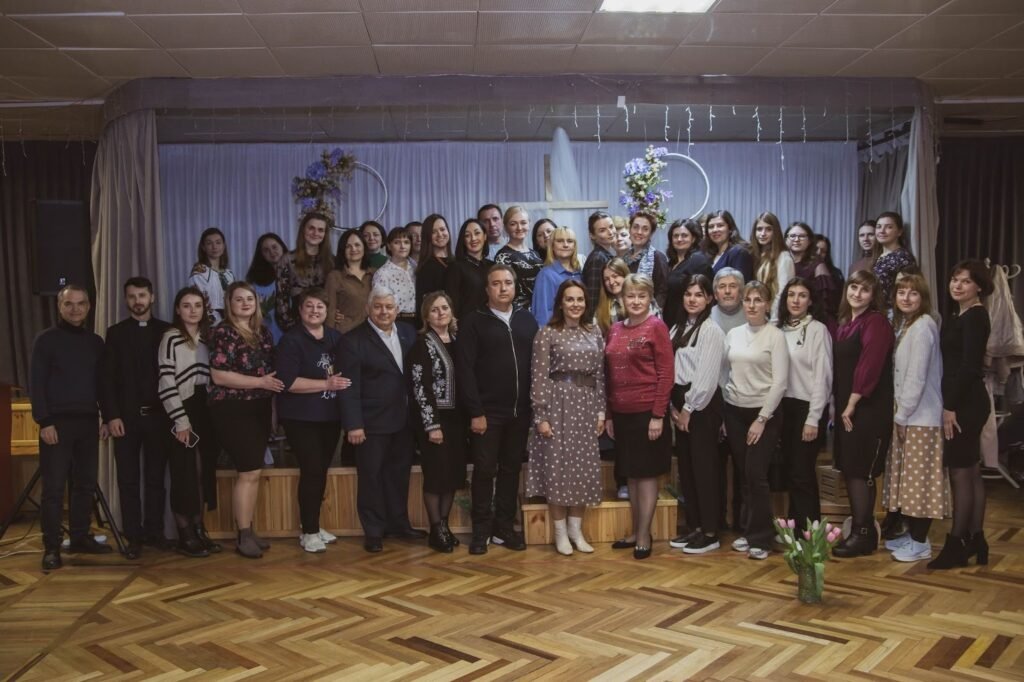
Annual Scientific Colloquium at the My Horizons Lyceum focused on inspiring children to make a positive impact on the world.

Who Private Lyceums Are For

Private institutions are not a universal solution for everyone. They are best suited for children who need individual support, a safe atmosphere, and flexible educational pathways. For active, curious, and creative students, this can be an environment for rapid growth.

At the same time, it is important that the family shares the school’s values and is ready for partnership. Private education implies more active parental involvement in the educational process and ongoing interaction with teachers.

Thus, when it comes to private lyceums in Kyiv, the key factor is not the status of the institution, but how well its approach matches the needs of a particular child. An informed choice removes most fears and reveals the real picture: private education is primarily about responsibility, respect for individuality, and modern opportunities for development.

How to Choose a Private Lyceum: 12 Criteria to Pay Attention To

When parents start thinking about how to choose a private lyceum, it is important to rely not only on intuition, but also on a clear checklist. The education market offers many options, and it is easy to get lost among attractive websites and glossy presentations. A thoughtful approach helps: carefully looking at the conditions, atmosphere, curriculum, and the people who work with children.

This is especially relevant for those considering private schools in Kyiv. The choice is wide, so it is important to see the difference between appealing promises and the school’s real day-to-day work.

12 key criteria for choosing a school

Before making a decision, it is useful to pause for a moment and separate emotions from concrete facts. A school may seem appealing at first glance or come highly recommended by friends, but it is important to look deeper: how the learning process is organized, how adults communicate with children, whether the environment is safe, and whether a child might get lost in a large community. That is why a practical checklist helps to see the full picture without embellishment and understand how well a school matches a family’s expectations.

Below is a list of criteria that helps parents evaluate a school comprehensively—from documentation to atmosphere. These are the school selection criteria worth paying attention to first:

  1. License and official status of the educational institution.
  2. Class size and the possibility of individual attention.
  3. Qualifications and stability of the teaching staff.
  4. Educational program and availability of specialized tracks.
  5. Level of safety and medical support.
  6. Psychological support and a friendly school atmosphere.
  7. Facilities and infrastructure: classrooms, laboratories, sports spaces.
  8. Foreign language learning and international opportunities.
  9. School–parent partnership and openness of communication.
  10. Daily schedule: meals, after-school care, extracurricular activities.
  11. Assessment system and feedback for students and parents.
  12. School values and reputation among families and alumni.

It is worth evaluating each point and honestly answering yourself: which of these are truly critical for your family, and which may be secondary.

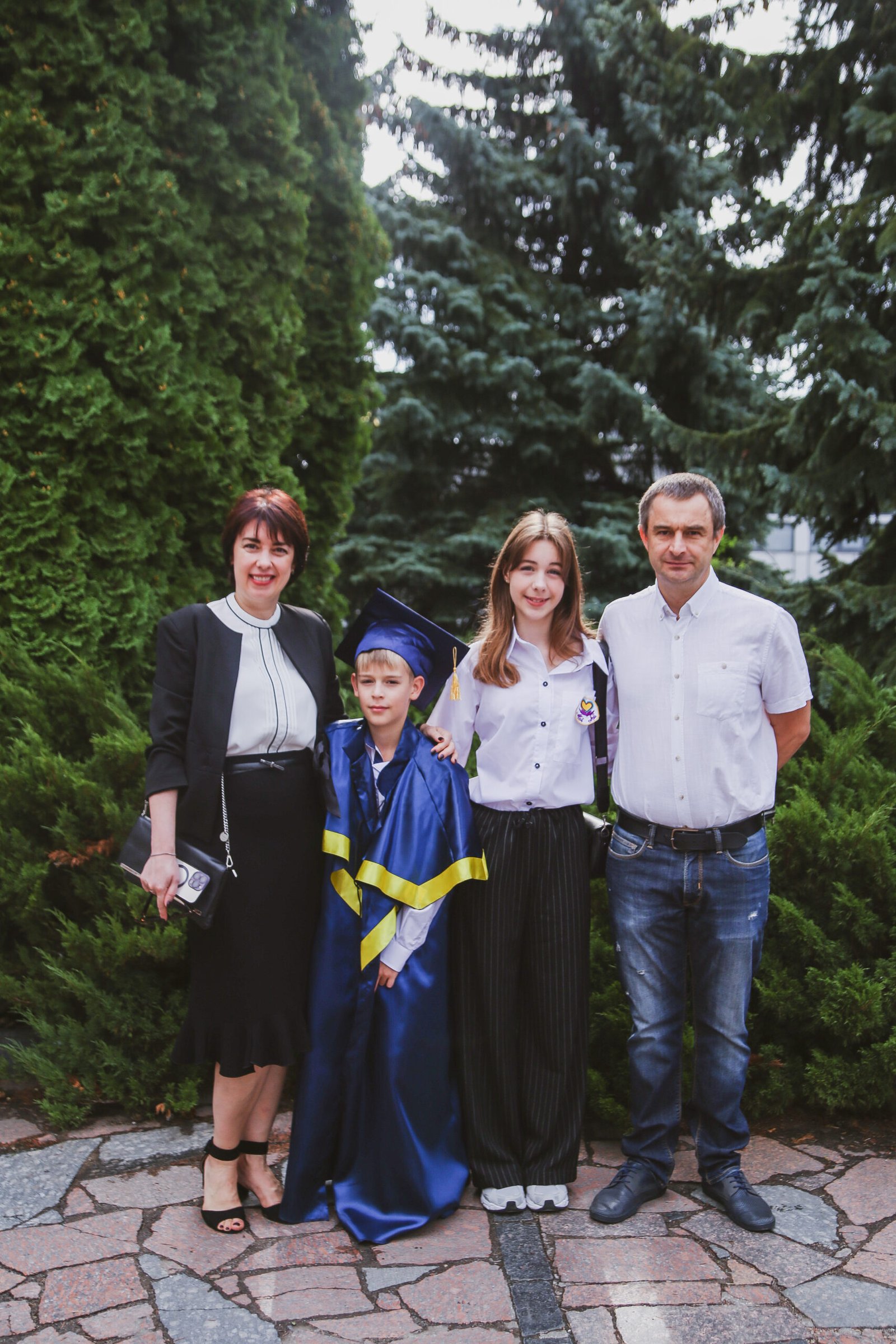
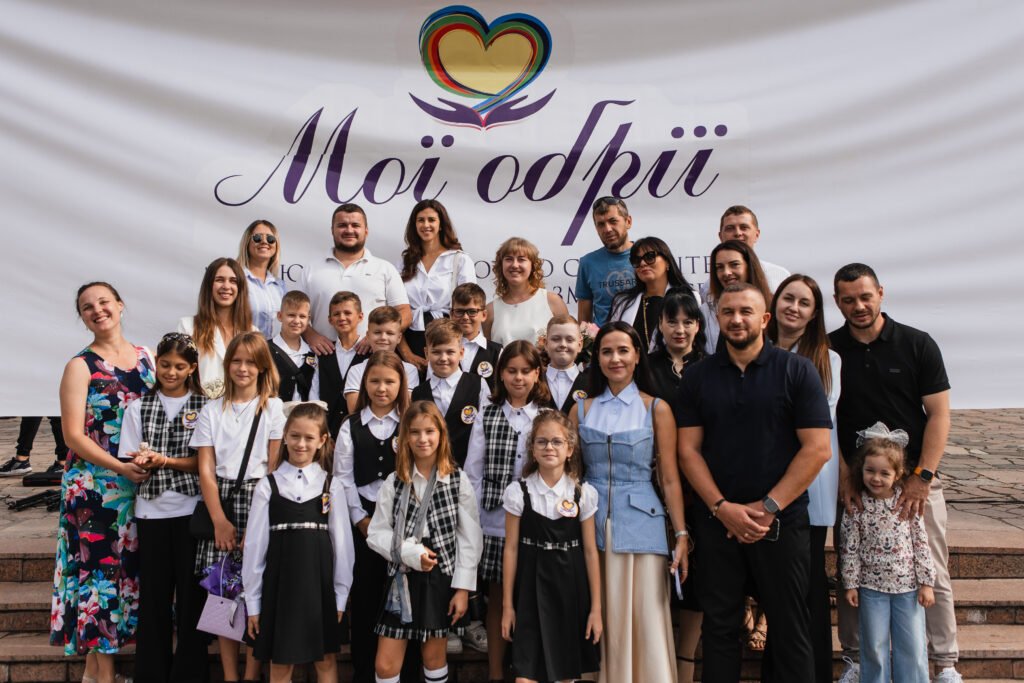
Діти з батьками.

How to use this checklist effectively

The best way to avoid mistakes is to combine rational analysis with personal impressions. Visit the school, walk through the corridors, observe lessons, and ask questions. Often, the answer to how to choose a private lyceum appears when you see how teachers speak to children, whether there is laughter during breaks, and how adults respond to challenging situations.

It is helpful to complete this checklist after visiting each school. This makes the differences between schools much more visible.

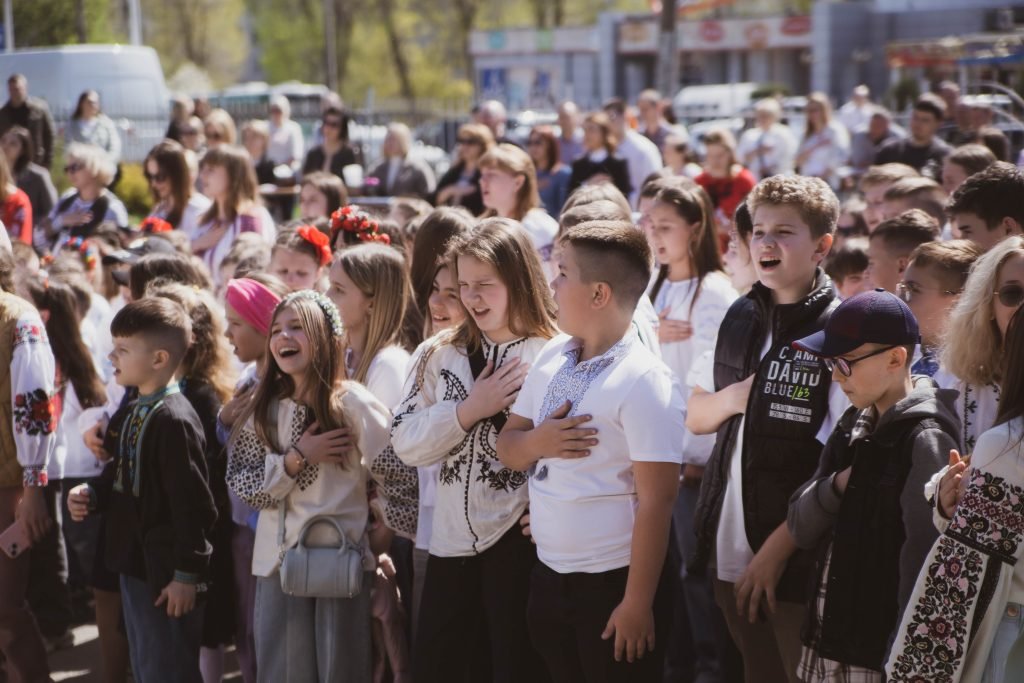
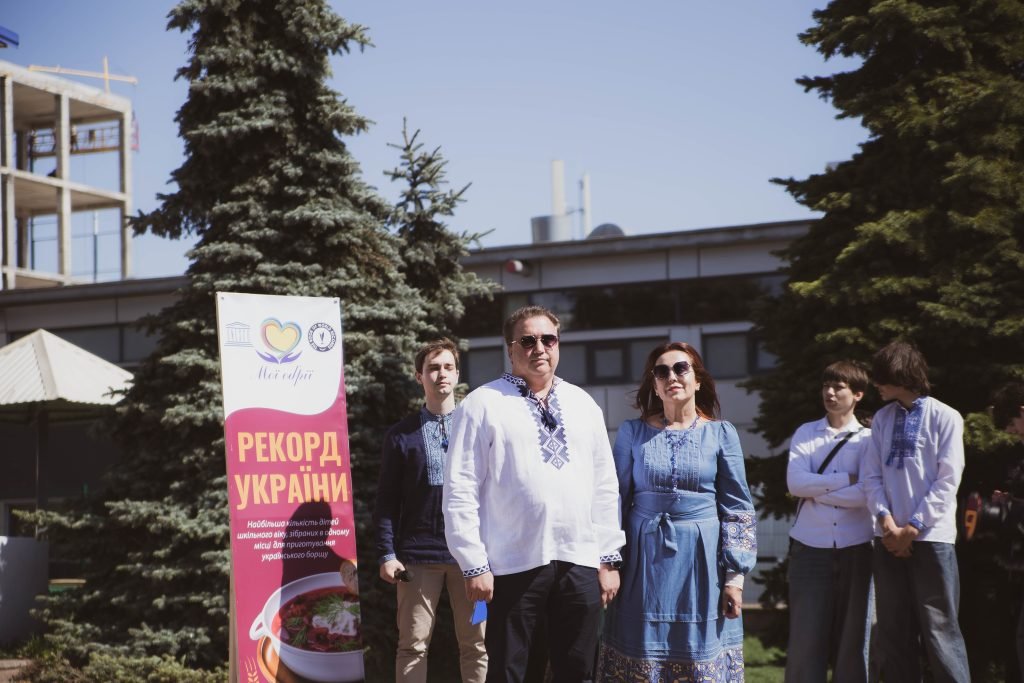
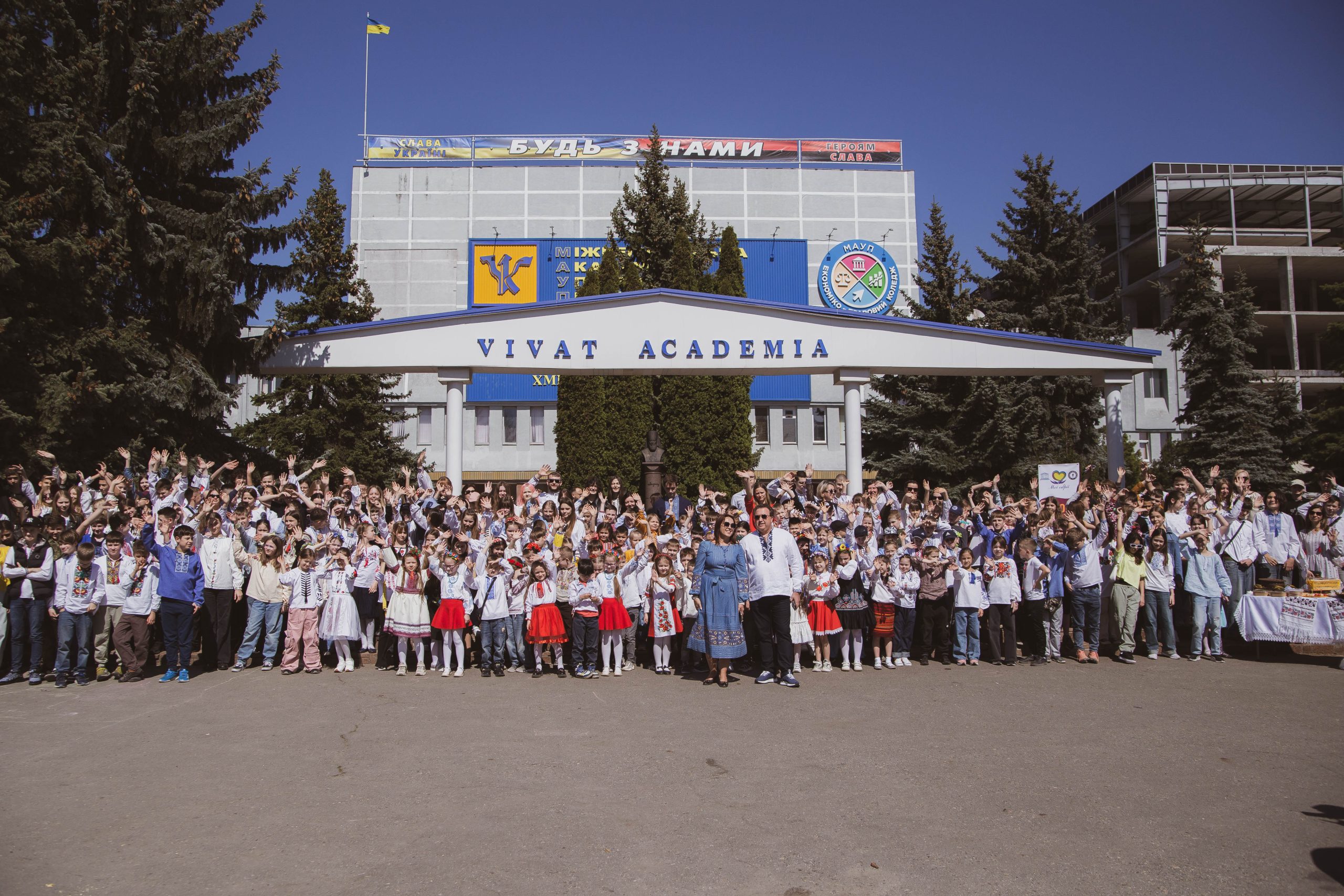
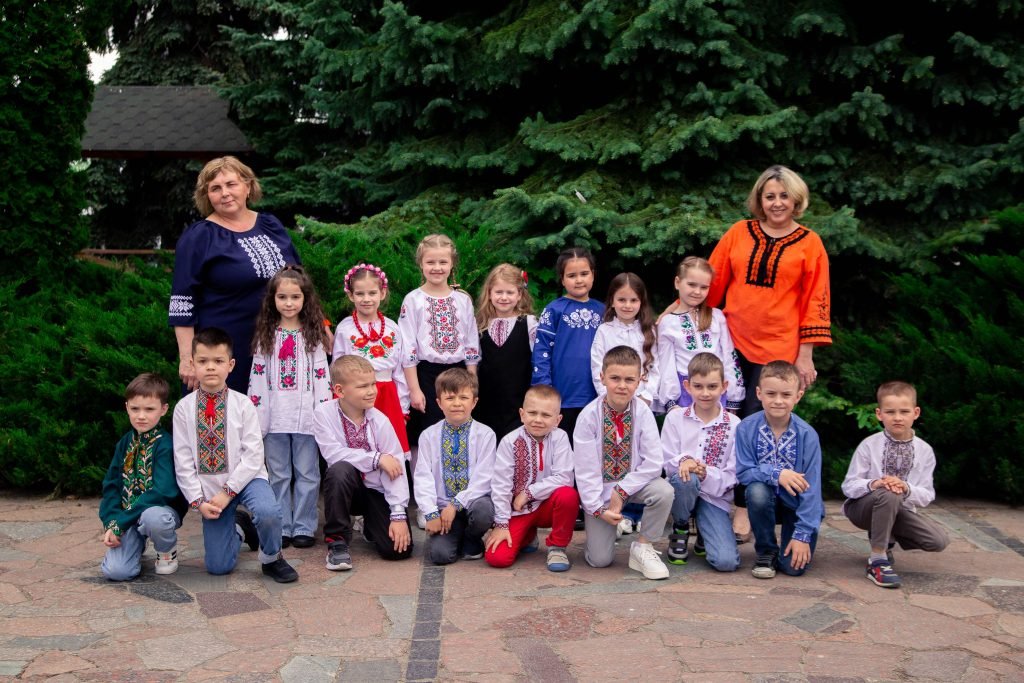
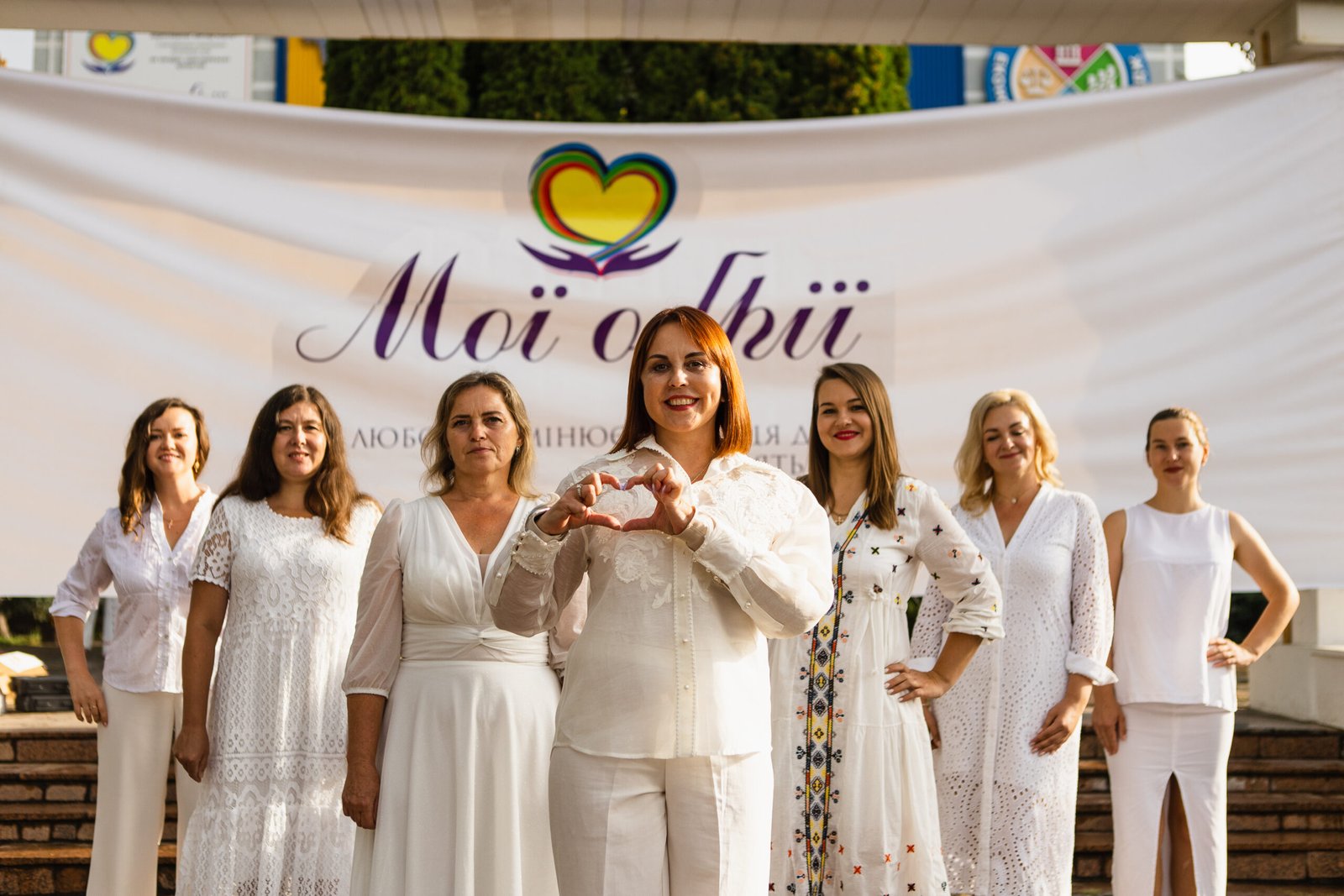
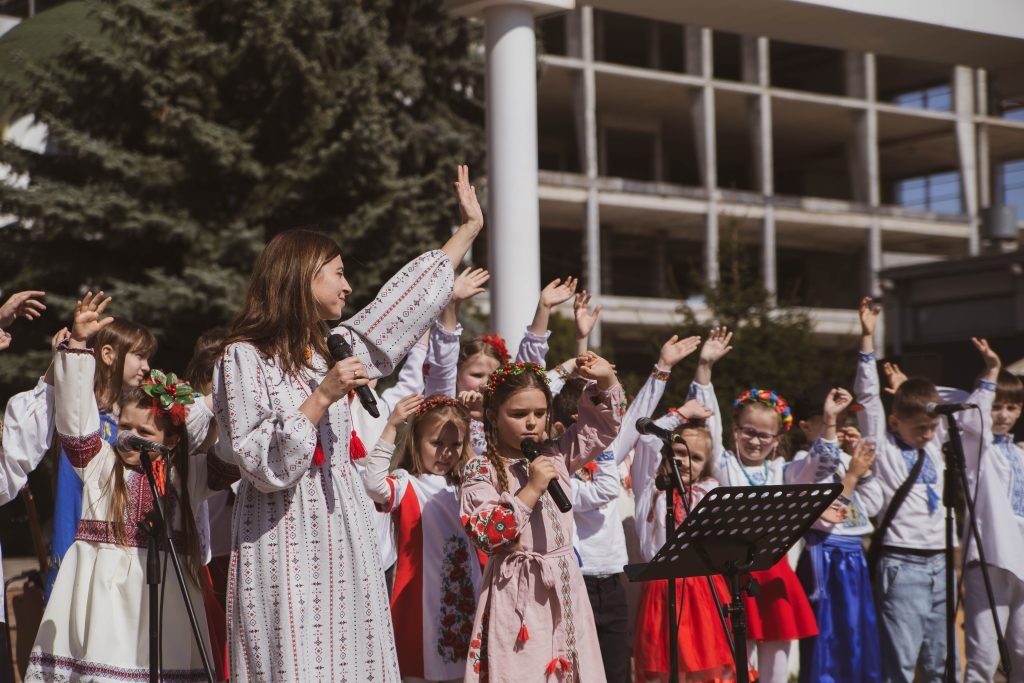
Діти ліцею та садочка «Мої обрії» у вишиванках на святі.

What parents should keep in mind

What parents should always remember is that a child spends a significant part of their day at school. There, they not only learn, but also make friends, make mistakes, experience successes and setbacks. That is why no tables, reviews, or rankings can replace a simple, honest question: “How do you feel there?” After visiting a school, it is important to talk with your child not only about whether they liked it or not, but also about what scared them, what surprised them, which teachers they remember, and whether they would like to come back.

Sometimes a school looks perfect to adults: a beautiful website, modern classrooms, a strong curriculum. But the child may feel tension, fear, excessive pressure, or indifference. In such cases, it is important to listen to these signals and not dismiss them with phrases like “you’ll get used to it” or “it’s a prestigious school.” A child needs a space where they can be themselves, ask questions, and not be afraid of being judged for mistakes.

When a careful analysis of learning conditions is combined with respect for a child’s emotions, choosing among private schools in Kyiv becomes calmer and more conscious. In the end, what matters is not only the program a school offers, but whether it becomes a place where the child is seen, supported, and helped to unlock their potential—in learning, communication, creativity, and their future profession.

Preparing for School: What Parents Need to Know Before First Grade

Starting school is an important stage for both children and adults. How the first year goes often shapes a child’s attitude toward school, their self-confidence, and their willingness to learn. That is why preparing for school is not only about a backpack, notebooks, and a uniform. First and foremost, it is about emotional readiness, family support, and a sense of safety for the child.

At the “My Horizons” Lyceum, we see every day how different first graders can be. Some already read, some are just learning letters, some make friends easily, while others find it hard to let go of their mother’s hand. All of these situations are normal. The most important thing is to help the child feel that school is a place where they are welcomed and supported.

Readiness for first grade: what to pay attention to

Before a child starts first grade, parents often worry: do they know enough, can they write, count, or read? But true readiness goes beyond academic skills. It is important that a child can listen to the teacher, follow simple instructions, finish tasks, and not be afraid of making mistakes.

Emotional stability and a sense of support from adults sometimes matter more than the ability to read quickly. When a child knows they will be accepted even with mistakes, they become more engaged and catch up with knowledge more easily.

The main signs of school readiness can be described as:

  • interest in learning new things and a desire to go to school;
  • ability to communicate with peers and adults;
  • capacity to stay focused on a task for a period of time.

After this list, it is important to remember that all children are different, and their pace of development also differs. There is no need to compare first graders with one another—it is better to notice each child’s individual progress.

Логопедичні заняття у приватному садку «МОЇ Обрії», Хмельницький

How parents can help a child adapt

The start of school is not only about new notebooks, but also about a new rhythm of life. That is why advice for parents before school often concerns daily habits rather than textbook topics. It is helpful to establish a sleep routine in advance and teach a child to pack their belongings and take responsibility for small tasks.

It is important to talk more with the child about school: what a school day looks like, who the teacher is, what breaks are, and what to do if something doesn’t work out. When a child understands “how everything works,” anxiety decreases.

Among simple tips that truly help during the first school year are:

  • supporting the child with words and actions, not only demands;
  • discussing feelings after school, not just grades;
  • avoiding comparisons with other children and noticing the child’s personal progress.

After the list, it is worth emphasizing that the presence and calmness of adults are the child’s main resources during the adaptation period. When parents believe in their first grader, the child begins to believe in themselves.

Емоційний настрій дітей на ранкових зустрічах «МОЇ Обрії», Хмельницький

The role of school in preparing a child for learning

At the “My Horizons” Lyceum, first grade is seen as the beginning of a shared journey involving the child, the school, and the family. Teachers pay great attention to helping children get to know one another, engage in group play, and follow simple routines that create a sense of stability. It is important that a young student does not feel left alone with a new system, but sees adults nearby who support and help them understand new rules.

For us, school preparation is inseparable from emotional comfort. Teachers observe not only how a child reads or counts, but also how they integrate into the group, respond to changes, and whether they withdraw into themselves. During class meetings and everyday interactions, feelings, concerns, and expectations are openly discussed. This helps form a simple yet very important feeling: “At school, I am seen, heard, and accepted.”

That is why we always emphasize cooperation with families. Teachers share with parents what they notice about the child’s behavior in class, and parents talk about how the child experiences the first months of school at home. Together, it is easier to provide timely support, encouragement, and reduce unnecessary anxiety. Step by step, this creates a school environment where a first grader feels safe and at the same time ready to discover a new, engaging world of learning.

Financial Literacy at the “My Horizons” Lyceum: A Program That Prepares for Adult Life

Modern children need far more than just strong knowledge of school subjects. It is important to understand how money works, how to plan expenses, and how to make responsible decisions. That is why financial literacy receives significant attention at the “My Horizons” Lyceum. It is not an “extra club,” but part of the learning culture that helps children feel confident in real life.

The program is designed so that complex economic concepts are explained in simple language through everyday examples. Children discuss situations they encounter daily: pocket money, purchases, savings goals, charity, and the family budget. This helps build a natural understanding of the value of money and one’s own work.

Why financial literacy is important already at school

Teenagers quickly enter a world where financial decisions must be made. Mistakes along this path can be costly—not only financially, but also in terms of self-confidence. That is why we begin working with the idea of responsible resource management already at school age.

Financial literacy helps children overcome fear of numbers and planning. They learn to set goals, see the path to achieving them, and assess risks. For many, this becomes the first step toward adulthood—calm, conscious, and independent.

What the economic education program includes

The program is built gradually: from the simplest concepts to more complex economic processes. Students do not just listen to theory, but actively participate in role-playing games, scenario simulations, and small “entrepreneurial” projects.

Throughout their studies, children become familiar with the core components of what we call economic education:

  • planning a personal and family budget;
  • saving, accumulation, and responsible spending;
  • basic understanding of investments and entrepreneurship.

After the list, it is important to emphasize that this is not about imposing “right” decisions. Children are taught to analyze situations and draw their own conclusions, while adults support them and help them see the consequences of their choices.

Practical skills for real life

At the “My Horizons” Lyceum, we deliberately focus on practice. Students learn not only to calculate money, but also to talk about finances openly and responsibly. They understand the difference between wants and needs, learn to plan long-term purchases, evaluate advertising critically, and avoid impulsive decisions.

Such lessons increase independence and self-confidence. Children see that they can manage their resources rather than simply go with the flow. This will be useful in upper secondary school, university, a first job, and their own projects.

Financial literacy as part of developing a responsible individual

For us, it is important not just to give a child a set of formulas, terms, and rules. At the “My Horizons” Lyceum, we take a broader view: we want students to be able to plan, understand the consequences of their decisions, respect the work of others, and value their own time. That is why financial literacy does not exist in isolation, but is naturally connected to leadership, project-based learning, teamwork, and personal development.

Gradually, children arrive at an important realization: money is not the goal of life, but a tool that one must know how to use. In class, they learn to weigh “wants” against “needs,” track expenses, plan purchases, and pause before making impulsive decisions. This forms the habit of thinking ahead, analyzing information, and taking considered steps rather than acting purely on emotion.

Step by step, this is how true adulthood is built—calm, conscious, and responsible. Children who become familiar with the basics of financial literacy from an early age feel more comfortable in the world of adult financial decisions: from pocket money to a first salary and personal projects. They enter the future without unnecessary fear, with the understanding that they can manage their resources rather than simply adapt to circumstances.

The “My Horizons” Teaching Team: Experts Who Inspire

At school, it is not only the curriculum that matters, but above all the people who work with children every day. It is the educators of “My Horizons” who create an atmosphere of trust, respect, and inner motivation to learn. Children feel supported, can ask questions, are not afraid to make mistakes, and are willing to try again. Here, a teacher is not just someone who “explains the material,” but an adult who helps a child find their own path.

At the lyceum, it is important for teenagers to see a role model—someone who loves their work, continuously develops, and knows how to speak to children in a clear, lively language. This is how a strong teaching team is formed, capable of combining academic rigor with humanity, high expectations with support.

How the teaching team is formed

The selection of teachers for the lyceum is carried out with great care. Not only degrees and years of experience matter, but also the ability to work with a child as an individual. An educator must accept different personalities, learning paces, and student needs, and be ready to offer support both during difficult periods and moments of success.

Before becoming part of the team, a teacher goes through interviews, lesson observations, and discussions of pedagogical approaches. It is important to see how they interact with a class and whether the values of the lyceum resonate with them. This helps maintain an atmosphere of trust between students, parents, and the school.

The key qualities that unite our teachers include:

  • love for children and respect for their dignity;
  • a willingness to learn and grow together with students;
  • a responsible attitude toward their profession and their words.

After this list, it is important to emphasize that professionalism here is always combined with warmth and humanity. This is exactly what children feel every day, both in the classroom and beyond.

Modern approaches to learning

Today, it is not enough for a child to simply hear an explanation of a topic. It is important for them to understand how knowledge connects to real life. That is why “My Horizons” educators actively use interactive formats, project-based learning, teamwork, and discussions. Lessons become a space for dialogue, where students can express themselves, ask questions, and be heard.

Teachers continuously improve their qualifications, attend trainings, and participate in professional communities. This helps them stay current and connected with children who live in a fast-paced, digital world.

Why children are drawn to their teachers

For a child, it is extremely important to feel noticed—their joy, fatigue, confusion, successes, and small setbacks. When a student sees a teacher’s gaze that genuinely cares about their state, trust emerges. An inner confidence appears: “I can say if I didn’t understand. I can ask again.” This sense of acceptance reduces tension and opens space for learning.

Children are drawn to adults who remain calm even when things don’t go well. A teacher who does not humiliate for mistakes but helps to understand them becomes a source of support. This is when a child dares to try new tasks, participate in projects, come to the board, and express their opinion. The fear of “doing something wrong” is replaced by the desire to try again.

That is why our strong teaching team becomes more than just people who give grades. Teachers help students recognize their abilities, notice small successes, and see progress step by step. With their support, children learn to trust themselves, dream more boldly, and plan their future realistically and calmly. Such support is remembered for a long time, because it becomes part of the story of growing up.

Mentorship and Tutoring: An Individual Development Path at “My Horizons”

Every child learns at their own pace, responds differently to challenges, and experiences success in their own way. That is why at the “My Horizons” Lyceum it is important for each student to have an adult nearby who sees their individuality, hears their needs, and helps them move forward without fear of making mistakes. This is how the system of mentorship and tutoring emerges—transforming learning into a personal journey rather than a “competition with others.”

What mentorship is and why it matters

By mentorship, we mean a warm, trusting interaction between an adult and a student, where the educator not only teaches a subject but also supports the child in everyday decisions. A mentor helps identify strengths, notice achievements—even small ones—and gradually build confidence in one’s own abilities. For a child, this means something simple yet very important: there is someone nearby who truly cares.

Through mentorship, children learn to set realistic goals and understand how to achieve them. This reduces anxiety, helps them cope with challenging periods in learning, and maintain interest in school even when the workload is heavy.

Tutoring as personalized student support

Tutoring at the “My Horizons” Lyceum is a structured approach to building an individual educational trajectory. A tutor does not replace subject teachers, but becomes a “guide” in learning—helping plan workloads, set priorities, and balance lessons, extracurricular activities, and rest.

During regular meetings, students can openly talk about difficulties: knowledge gaps, fatigue, misunderstanding of material, or doubts about their abilities. The tutor and the child work together to find solutions and follow a plan, step by step developing responsibility for results.

The main tasks a tutor performs can be described as follows:

  • helping plan the academic week and set priorities;
  • providing support during challenging periods of study or adaptation;
  • jointly reviewing achievements and setting new goals.

After the list, it is important to emphasize that this interaction is not about control, but about partnership. The child feels respect for their decisions and learns independence without pressure.

Individualized education as the foundation of development

Thanks to the combination of mentorship and tutoring, the lyceum fosters truly individualized education. Students are not “fitted” into a single template. On the contrary, their pace, interests, needs, and personal goals are taken into account. Some dive deeper into science, others into creativity or sports—and every path is valuable.

Individualized education means that the child gradually takes responsibility for their own journey. They begin to understand why they are learning, what truly interests them, and how it can become part of a future profession or calling. For parents, this brings peace of mind; for the child, a sense of support and confidence.

Діти виступають на святковому концерті в ліцеї «Мої обрії».

“My Horizons” — a school where every child is seen

The “My Horizons” Lyceum is a school where children are truly noticed. Here, students are not treated as “a name on a class list,” but as individuals with their own character, pace, challenges, and dreams. It is important that a child feels heard, that their opinion matters, and that their feelings are respected.

That is why mentorship, tutoring, and individualized education at the lyceum are not just formal terms, but the daily work of teachers and tutors. This approach helps students grow without excessive pressure, gradually раскрывая their talents, believing in their own abilities, and calmly shaping a vision of their future.

Educational Trips to Austria: International Experience of the “My Horizons” Lyceum

When a child steps beyond their familiar environment, the world seems to expand. New cities appear, a different language, a different school, a different pace of life. That is why educational trips to Austria have become an important part of the learning experience at the “My Horizons” Lyceum. These are not tourist excursions just for photos. They are an opportunity to see the world more broadly, to listen to oneself, and to realize how many choices lie ahead.

Such trips help combine learning with live communication with peers from other countries. Children see how European schools operate, visit museums, universities, and research centers, and practice speaking a foreign language without fear of making mistakes. And most importantly, they feel that they are part of a large global community.

Why Austria: education, culture, safety

Austria attracts with its harmonious combination of classical European culture and modern education. Here, children are treated with respect — including their right to ask questions and express their own opinions. Students visit historic cities, museums, and natural parks, observing how preserved traditions coexist with new technologies.

For children, this is not just another country on the map. It is a place where they learn to navigate a new environment, use public transport, plan their day, and take responsibility for their own decisions. Adults are nearby, but the child takes small yet important steps toward independence on their own.

What international programs give our students

Educational travel is part of a broader approach to learning. That is why we speak about international programs that combine school education, culture, languages, and personal development. Before the trip, children learn about the country’s history, traditions, and basic language phrases; after returning, they share their impressions through presentations and personal discoveries.

During these trips, students gain experience that cannot be conveyed by textbooks alone. They learn to communicate, support one another, overcome anxiety, and take responsibility for shared rules. These are the moments that stay in memory for a lifetime.

The key outcomes that educational trips bring to children can be summarized as follows:

  • confidence to speak a foreign language in real-life situations;
  • stronger motivation for learning and self-development;
  • a broader worldview and understanding of other cultures.

After the list, the text continues as usual. Children return home changed — more mature, more confident, with a sense that the world is open to them. They begin to ask more questions and dream more boldly about future education and travel.

“My Horizons” as a space of opportunities

The “My Horizons” Lyceum is a space where learning does not end at the classroom door. Knowledge here is combined with real-life experience: travel, projects, meetings, and participation in shared initiatives. Children see how what they learn in lessons works in real life, which increases motivation and interest.

Educational trips to Austria hold a special place. In a new country, students encounter a different language, culture, and school environment, try themselves in unfamiliar situations, and gradually learn independence. They return home with the feeling: “I can do more than I thought.”

Such international programs become a bridge for children between today’s school life and the adult world. After these trips, dreams of studying abroad or pursuing an international career no longer seem distant, but become real goals that can be pursued step by step together with the “My Horizons” Lyceum.

TEST Drive at “My Horizons”: Experience Learning Before Enrollment

For parents and children, it’s important not only to hear about a school, but to see it from the inside. That’s exactly why the “TEST Drive at My Horizons” format was created — an opportunity to spend a week at the lyceum and get to know the teachers, the atmosphere, and the pace of learning. On March 23, children will be able to experience what a real school day looks like: classes, breaks, projects, and live communication with peers.

This is not a tour or a presentation. It’s a real experience: the child becomes a member of a class, receives assignments, takes part in group activities, and understands whether our rhythm and approach to learning are the right fit.

Discover the Opportunities of Education

The one-week immersion format helps reveal what truly matters: what the school can offer your child. Discover the opportunities of education means looking at learning more broadly than just grades in a journal. During the test drive, children explore different areas: academic subjects, creative activities, and peer teams.

Parents also gain many important answers: how the day is organized, how teachers communicate with children, and how high expectations are balanced with support. This helps families make a thoughtful, well-informed decision about further education.

Opportunities the TEST Drive Opens Up

  • Real participation in learning activities, not “demonstration lessons”;
  • Getting to know teachers, tutors, and classmates in a real working environment;
  • Feeling the true school atmosphere without embellishment — exactly as it is every day;
  • Trying different learning formats: individual tasks, group work, and project-based activities;
  • Immersion in the lyceum schedule: lessons, breaks, and extracurricular activities;
  • The opportunity to ask questions to teachers and tutors during or after classes;
  • The first clear understanding of whether the child feels comfortable with the pace, communication style, and academic expectations of the lyceum.

After all this, one thing is worth emphasizing: the best indicator is the look in a child’s eyes after the first day. If they want to come back, that speaks volumes.

How to Build an Individual Learning Track for Your Child

Every child has their own pace, interests, and level of readiness for academic load. That’s why we pay special attention to creating an individual learning track. During the test drive, teachers and tutors observe what engages the child, what comes easily, and where additional support may be needed.

After the week is over, parents receive detailed feedback: the child’s strengths, growth areas, and recommended development directions. This allows families to build an educational trajectory without haste or pressure, taking the student’s personality into account.

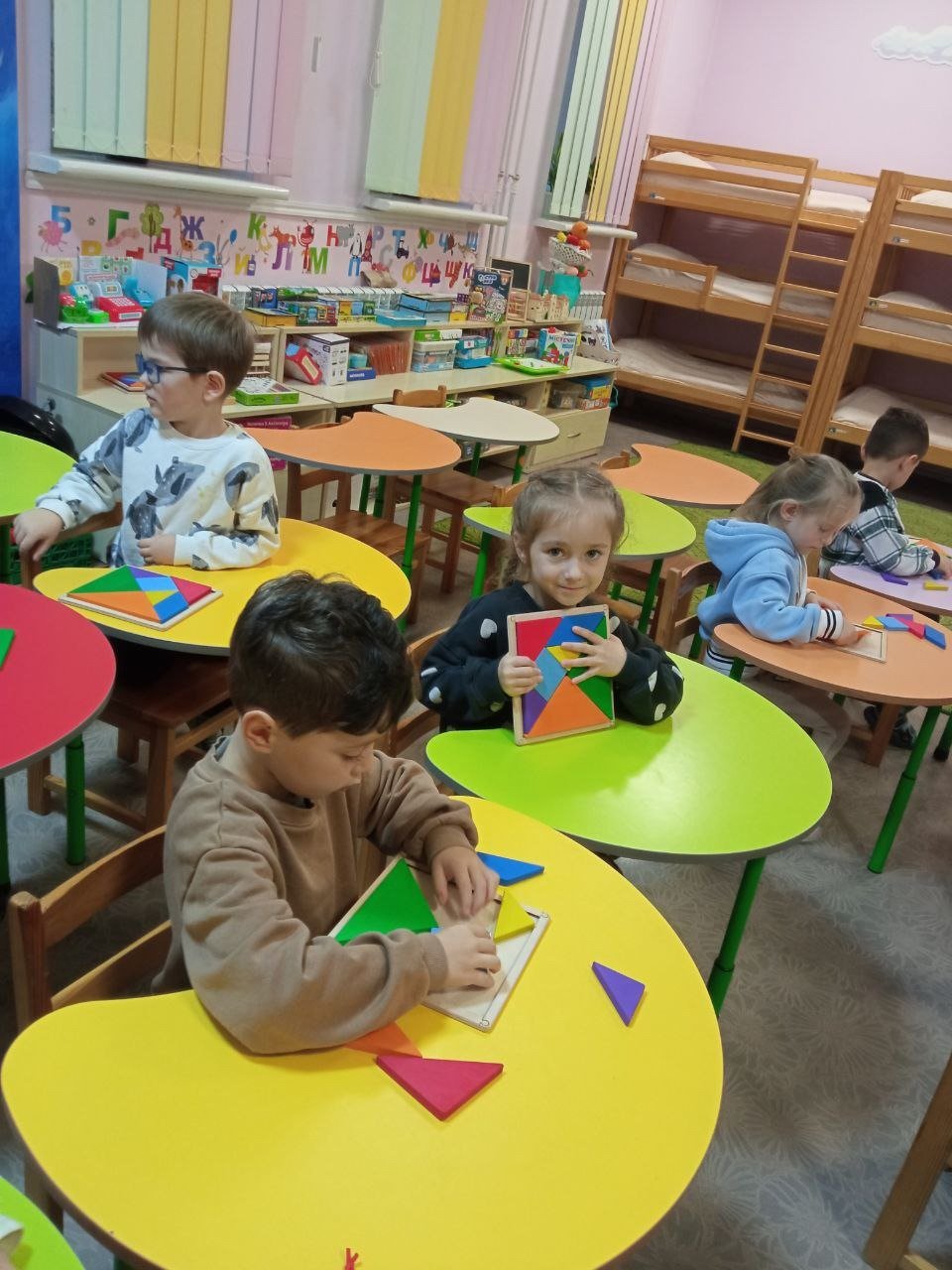
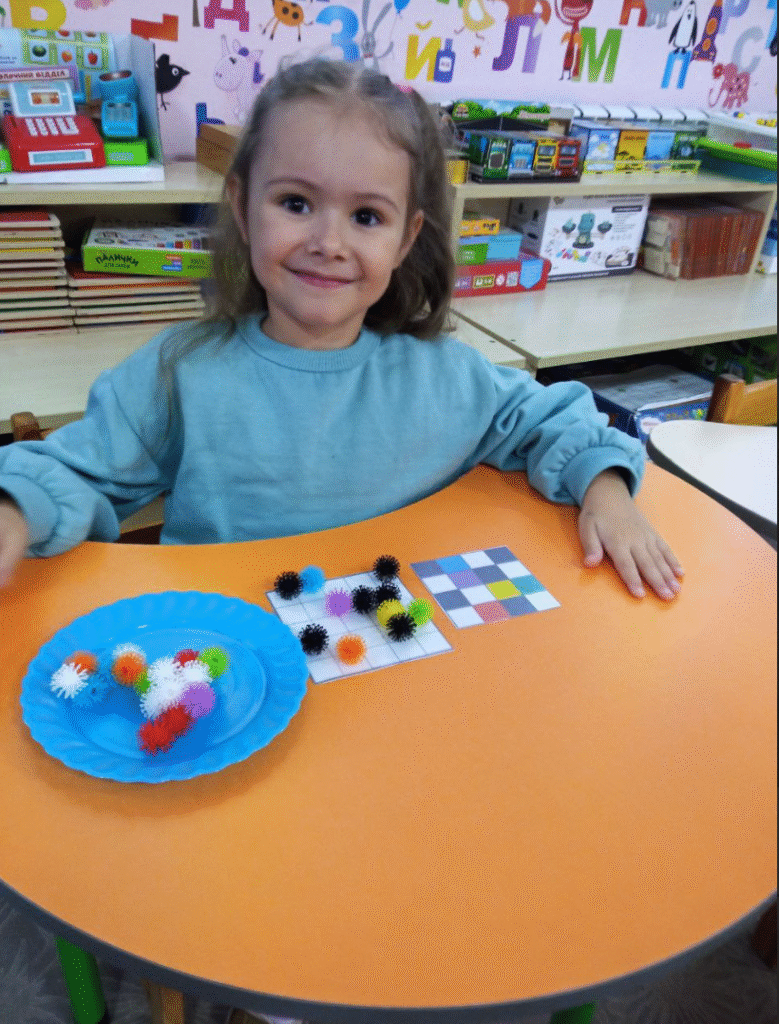
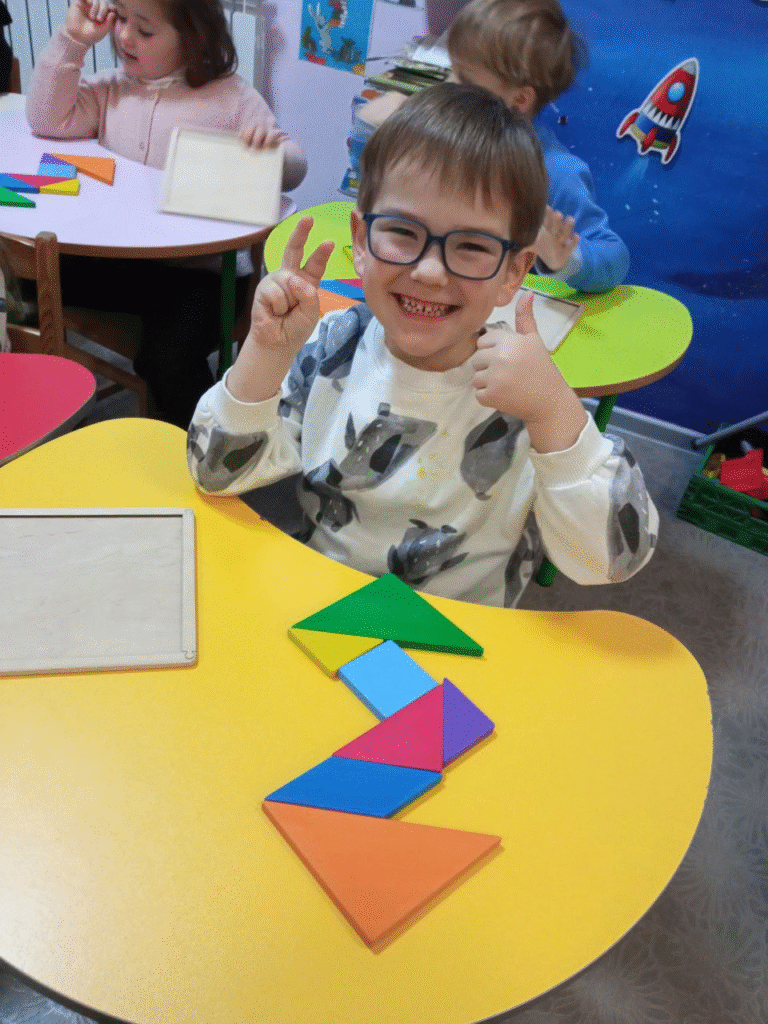
Modern teaching methods at MOI OBRIY private kindergarten, Khmelnytskyi

Learn About Admission Trends and Conditions at “My Horizons” for 2026

Education evolves every year, and what was once an “extra option” often becomes a basic standard. New courses appear, and more focus is placed on critical thinking, teamwork, digital literacy, and self-presentation skills. During the test drive, parents can learn about admission trends and conditions at My Horizons for 2026: which competencies are important for a modern lyceum student, how adaptation support works, and what the school expects from children and families.

We openly explain that admission is not only about grades. Motivation, willingness to work, curiosity, and openness to collaboration are equally important. That’s why during meetings we discuss the interview format, diagnostic tasks, individual educational trajectories, and how the school helps newcomers integrate into the community without unnecessary stress. Transparency reduces anxiety: families clearly understand what to expect and can prepare calmly.

Topics Discussed in Detail with Parents

  • What a modern lyceum is and how it differs from a traditional school;
  • Which educational programs, profiles, and additional courses are available to students;
  • How adaptation after enrollment is organized and what support children receive in the first months.

After this, parents gain a complete picture — not only how to enroll, but why it matters specifically for their child, what results they can achieve, and what opportunities studying at My Horizons will open up in the coming years.

Specialized Programs of the “My Horizons” Lyceum: Leadership, Science, and Financial Development

Education in a modern school is not limited to textbooks and tests. Children need space to try, make mistakes, discover, and make their own decisions. That is why the “My Horizons” Lyceum has developed specialized programs that help students identify their interests and gradually build their future. These programs combine academic knowledge with practice, real-life experience, and the support of mentors.

Such programs give children more than just additional classes. They provide an opportunity to take responsibility for a project, learn how to present ideas, work in a team, and see the results of their own efforts. This is where intrinsic motivation for learning is born.

Leadership Program: The Ability to Influence and Take Responsibility

The “Leadership” program helps children realize that their voice matters. Students learn how to organize events, work in groups, resolve conflicts, and negotiate. Leadership here is not about “commanding,” but about listening to others and leading by example.

During leadership classes, children explore real-life situations, discuss possible solutions, and try themselves as organizers and moderators of school initiatives. This helps them overcome shyness and develop healthy self-confidence. These skills become especially important in high school, university, and adult life.

Спортивні збори дітей

STEM Program: Science as Part of Everyday Life

The modern world needs people who are not afraid to experiment. That is why the lyceum places strong emphasis on the STEM program, which integrates natural sciences, technology, engineering, and mathematics. Students work with laboratory materials, conduct experiments, build models, and analyze results.

Before practical activities begin, students receive a brief theoretical explanation and then move on to hands-on work. This creates a completely different learning experience: not memorized and forgotten, but understood and applied. This is how interest in science and technical professions is formed.

The main advantages of STEM education are that students:

  • see the connection between school subjects and real life;
  • develop logical thinking and critical thinking;
  • learn to work in teams toward a shared result.

After the list, the regular text continues. Children feel that science is not something detached from reality, but a tool for understanding the world and creating something new with their own hands.

Financial Literacy: Understanding Money and Responsibility

The “Financial Literacy” program helps children understand topics adults often discuss quietly: money, savings, expenses, and planning. Students learn how to create simple budgets, distinguish between needs and wants, and understand the value of things and their own work.

Before financial exercises, students discuss real-life examples: pocket money, holiday spending, and shared family plans. This is not dry theory, but a conversation in a language they understand.

During financial literacy classes, students gradually master:

  • the basics of budget planning;
  • fundamental principles of saving;
  • a responsible approach to personal financial decisions.

After the list, the text continues. This is how children develop not only the ability to earn money, but also to manage resources wisely, respect the work of others, and value their own time.

Why Specialized Programs Are Important Right Now

The world is changing rapidly, and children need more than just “knowledge of subjects.” It is essential to communicate effectively, remain flexible, think critically, and not be afraid of new challenges. That is why the specialized programs of the “My Horizons” Lyceum form a strong foundation for a confident future.

The combination of three areas — leadership, STEM, and financial literacy — helps shape a well-rounded, conscious, and independent individual. Children gradually understand who they want to become, what interests them, and how to move in that direction. And nearby, there are always adults ready to support, explain, and help take the next step.