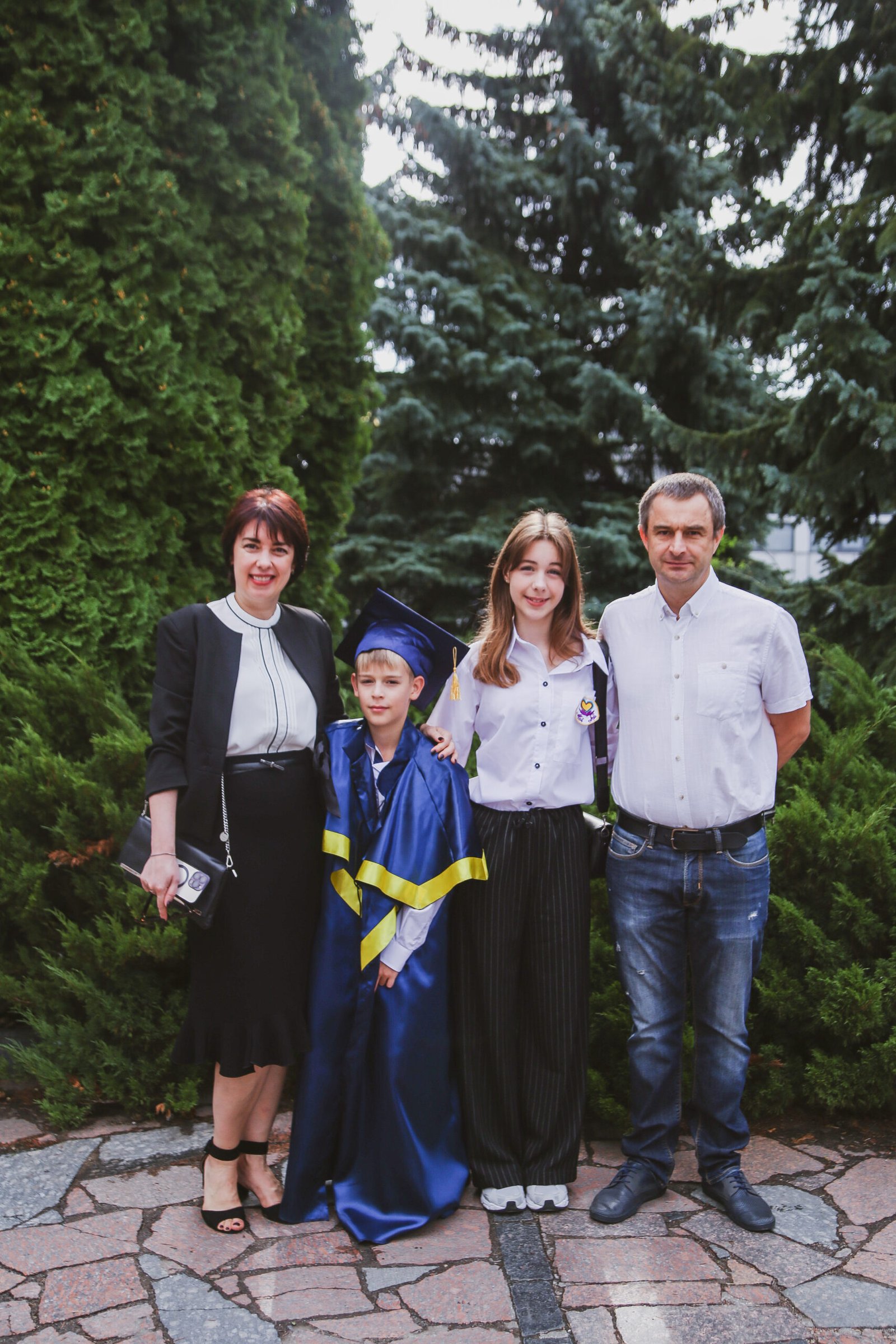
Partnership with Parents: An Educational Model That Delivers Results

The modern school has long ceased to be a place that educates only children. Today, the success of the educational process depends on a three-way partnership: student — teacher — family. That is why, at the “My Horizons” Lyceum, school–parent partnership plays a particularly important role. This is not about formal meetings once a semester, but about ongoing, attentive dialogue concerning a child’s needs, emotional well-being, interests, and challenges.

We believe that parents are not outside observers, but full participants in the educational process. When the family and the school are aligned, it becomes easier for a child to overcome difficulties, set goals, and achieve results. This is how an atmosphere of trust is created—one in which students are not afraid to be themselves.
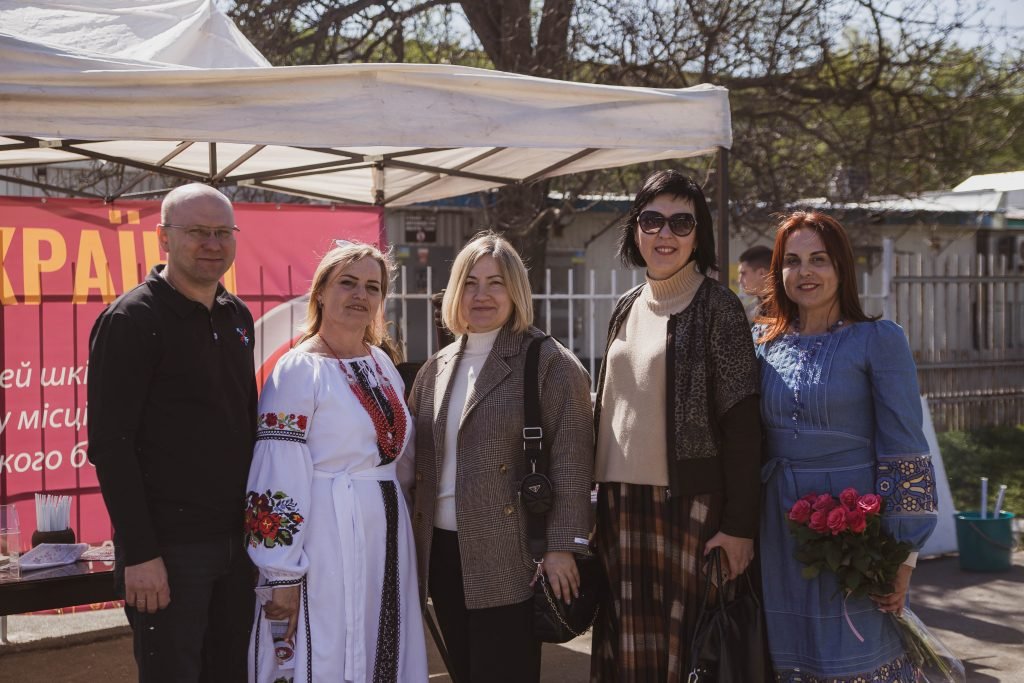
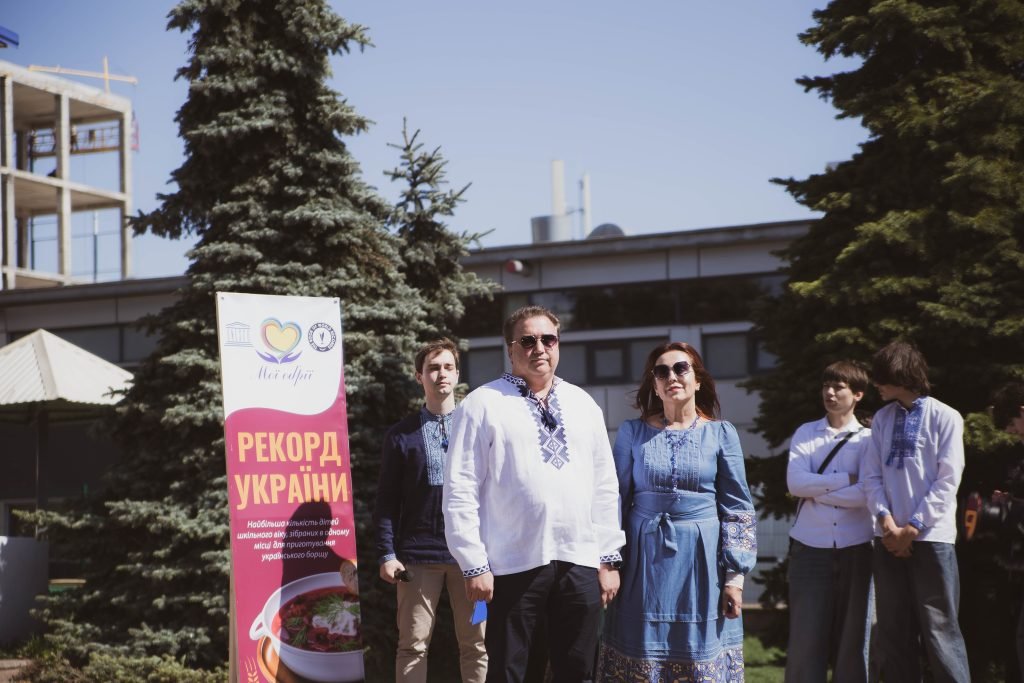
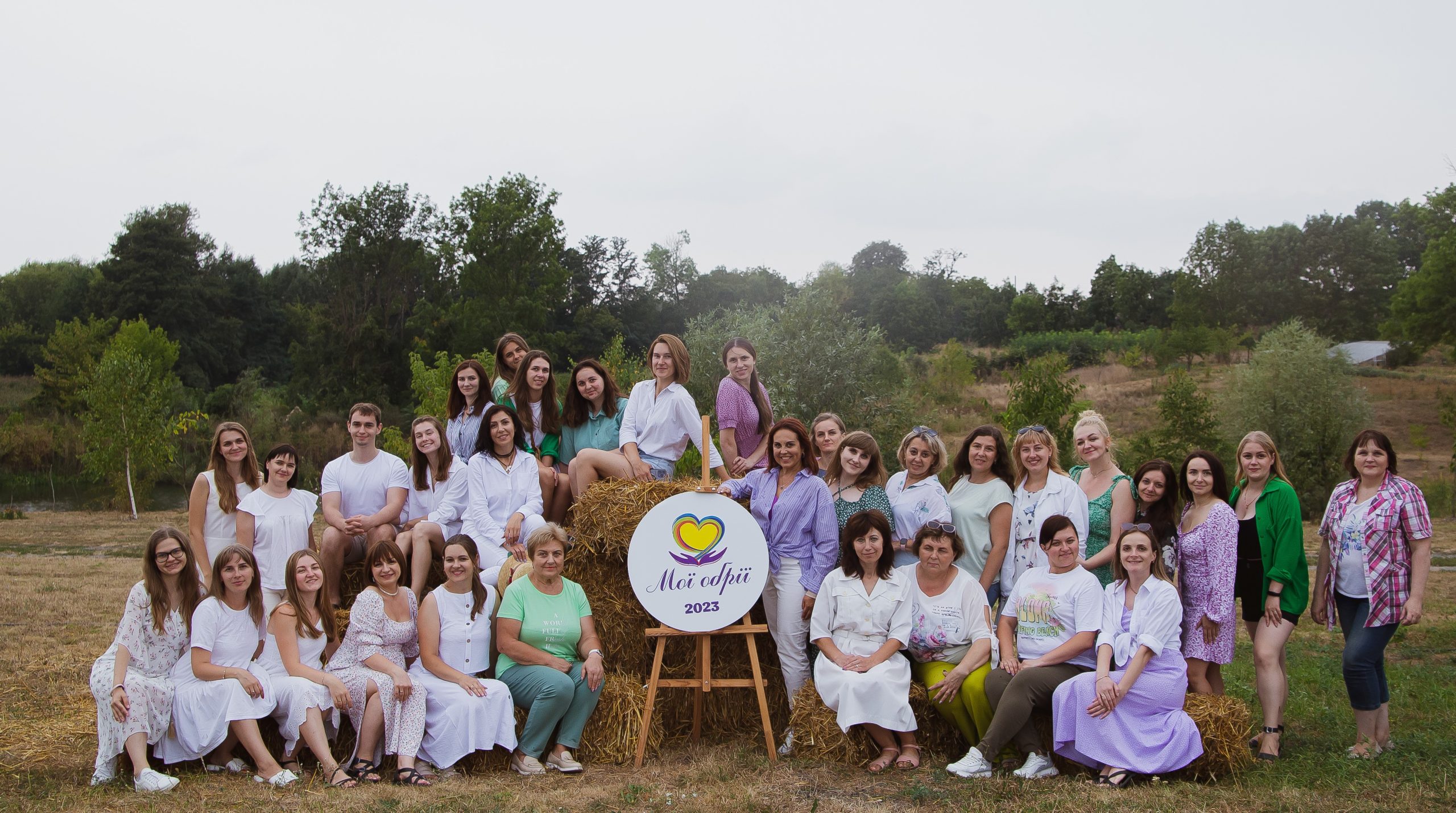
Учителі ліцею та садочка «Мої обрії» біля прапора України.

Why Cooperation with Families Is Essential

Adults who are close to a child see them from different perspectives. Teachers observe students in learning and peer interactions, while parents see them at home, where worries, fatigue, and emotions are more visible. Cooperation between school and family therefore makes it possible to see the whole picture of a child’s development and provide support exactly where it is needed.

When the school and the family speak different “languages,” a child can feel caught between conflicting expectations. When adults are united by shared values, learning stops being a constant source of stress and becomes a natural part of life.

Among the key reasons why partnership is so important are:

  • timely support for a child during challenging periods;
  • aligned expectations and shared rules between school and home;
  • joint planning of an individual educational pathway.

It is important to emphasize that neither side “dominates.” Partnership means respect for each other’s roles and a willingness to listen.

How Partnership Is Organized at “My Horizons”

At the “My Horizons” Lyceum, interaction with families is built systematically. These are not random conversations in the hallway, but thoughtfully designed communication tools. Parents have the opportunity to receive feedback, ask questions, and participate in joint events and projects.

The main formats of cooperation include:

  • individual meetings with teachers and tutors;
  • parent clubs and thematic gatherings;
  • regular updates on a child’s progress and challenges.

It is the consistency of these interactions that creates a sense of involvement—when families know they are heard and supported by the school.
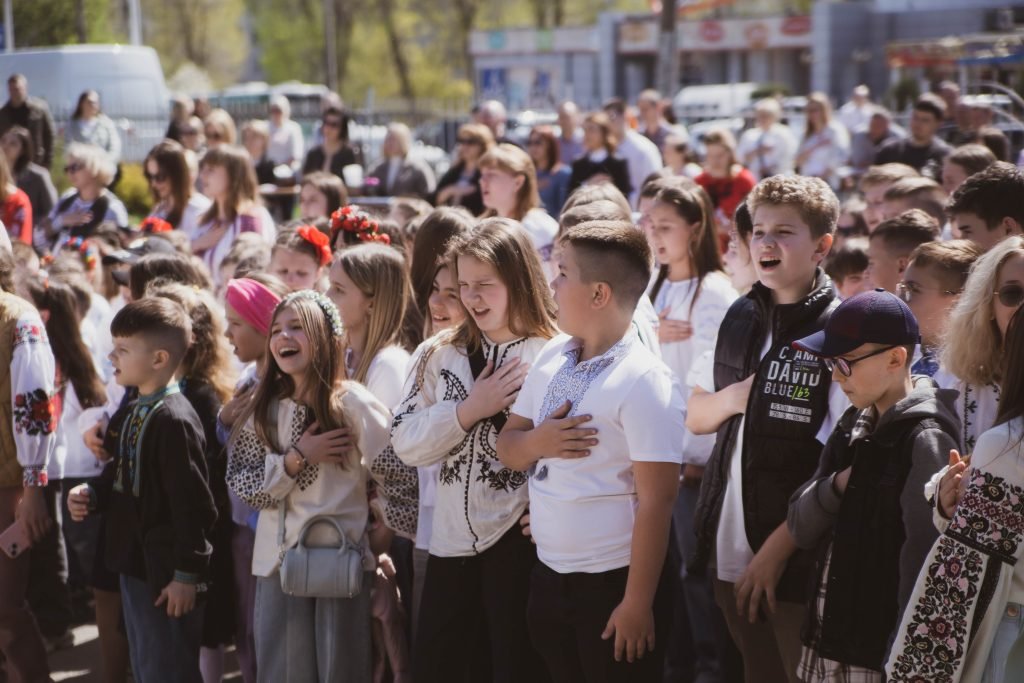
Діти виконують державний гімн України в ліцеї «Мої обрії».

What Children Gain from Adult Partnership

Children benefit the most from cooperation between adults. When the school and the family do not argue over “who is right,” but act as a team, children gain a sense of stability. They understand that adults are aligned, their words can be trusted, rules are clear, and expectations do not contradict one another. The world becomes more predictable, adults more reliable, and learning something that can be mastered without fear of constant mistakes.

In such an atmosphere, children are no longer afraid to talk about difficulties. They see that their questions are not ignored and that challenging topics are not avoided, but addressed together in search of solutions. At the same time, achievements are not taken for granted—they are noticed, discussed, and celebrated together. This builds intrinsic motivation: the desire to make an effort not “for a grade,” but because the result matters to the child personally.

Gradually, another important element emerges—a sense of support. Children understand that even if something does not work out, they will not be left alone. There are adults who will help, guide, support, and never humiliate. That is why the school–parent partnership at the “My Horizons” Lyceum is not a slogan, but a daily practice of trust. It makes the educational process holistic, and turns cooperation between teachers and families into a real resource that helps children grow, try new things with confidence, feel their own value, and gradually build their own path of development.
Success Stories of Students at the “My Horizons” Lyceum: Wins, Startups, and Research Projects

School years are not only about lessons and grades. They are an environment where character is shaped, first dreams emerge, and both small and major achievements are born. That is why it is so important to see real results, not just polished words in presentations. Today, we are sharing what we are especially proud of: the successes of students at the “My Horizons” Lyceum.

These are different stories. Some students are drawn to science, others create their own projects, while some find themselves in creativity or civic initiatives. What unites them all is the support of teachers, the belief of their families, and the child’s own willingness to work and not give up after the first mistake.

Victories in Olympiads and Competitions

Some of our lyceum students choose the path of deep academic immersion. They participate in city, national, and international intellectual competitions. For them, this is not only a test of knowledge, but also an opportunity to meet like-minded peers, experience a different level of challenges, and feel that their efforts bring real results.

Among the achievements are:

  • prize-winning places in Olympiads in mathematics, physics, computer science, and chemistry;
  • victories in language, literature, and history competitions;
  • participation and recognition in international online tournaments and intellectual marathons;
  • successful performances in citywide and national research competitions;
  • participation in projects of the Junior Academy of Sciences and specialized scientific schools;
  • special jury awards for creative and unconventional solutions to problems and projects.

These achievements are not about a “race for medals.” They show students that complex challenges are within reach and that knowledge opens doors to new educational opportunities in Ukraine and abroad.

Student Startups and Entrepreneurial Ideas

Another important area is student entrepreneurship. Teenagers experiment with creating their own products, apps, and social initiatives. Some projects emerge during coursework, while others are developed outside regular classes, when students form teams based on shared interests.

Most startup-related cases at “My Horizons” involve:

  • environmental initiatives;
  • small IT projects and mobile applications;
  • charitable and volunteer projects.

The value of these stories lies not only in financial outcomes. Students learn to work in teams, present ideas, take responsibility for results, accept feedback, and keep going after their first failures.

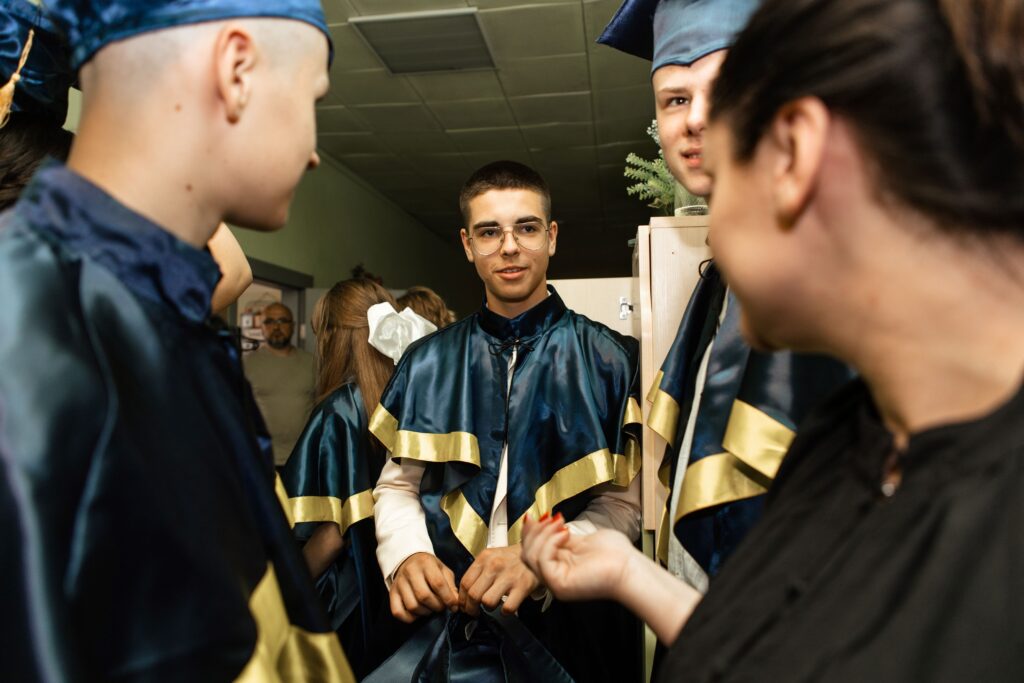
Глава закладу «Мої обрії» вітає дітей та команду педагогів.

Scientific Research and Project-Based Learning

Scientific and research work is an essential part of school life. Students work with mentors, formulate hypotheses, conduct experiments, and defend their projects at competitions and conferences. This provides experience of real scientific activity, not just following standard lab instructions.

It is here that many student achievements are born—achievements that later become the foundation for choosing a future profession. Some students continue their research at universities, participate in international programs, and enroll in prestigious educational institutions.

Why These Stories Matter

For us, it is not only medals, certificates, or photos on stage that matter. Much more valuable is the journey a child takes: from nervousness before a first presentation to confidently defending a project; from an uncertain “I probably can’t” to a calm “I want to try.” These kinds of achievements build inner resilience, teach students not to fear complex tasks, and help them understand that results come step by step.

Some students find their path in science, others in debates, and others in volunteer initiatives. In every case, behind the visible outcome are hours of preparation, doubts, working through mistakes, and the support of teachers and parents. These processes foster responsibility, independence, and the ability to see things through to completion.

Student achievements at the “My Horizons” Lyceum are always a team effort. They are the result of daily collaboration between students, families, and educators, and of an atmosphere of trust where mistakes are not shamed but analyzed and turned into lessons. This is how learning becomes not an “obligation,” but an opportunity to realize oneself, try something new, and gradually build one’s own path into the future.

Private Education in Ukraine: Myths and Reality

In recent years, interest in private education has been growing rapidly. Parents are increasingly considering alternatives to traditional public schools and seeking to understand whether investing in education truly pays off. Alongside this, many biases and misconceptions about private institutions have emerged. Some stem from outdated stereotypes, others from a lack of reliable information. To make a conscious choice, it is important to separate emotions from facts.

Below, we examine common myths and the real characteristics of studying at private schools, particularly when it comes to private lyceums in Kyiv.

Myths About Private Schools

Private education often finds itself at the center of debate. Some people consider it too expensive, others believe it is “detached from reality,” while some expect miraculous results without effort. From the outside, private institutions may appear closed or elitist, which fuels a whole system of stereotypes around them.

Parents ask themselves: Will there be excessive academic pressure? Will my child truly gain knowledge? Will learning turn into a simple “service without demands or responsibility”?

Below are the most common myths families encounter:

  • private schools “buy grades” instead of providing real knowledge;
  • only children from wealthy families study at private lyceums;
  • there is no discipline in such institutions;
  • private schools are isolated from real life.

These claims may sound convincing, but they are not universal. In reality, much depends on the specific school: its values, academic expectations, the professionalism of its teachers, and honesty in communication with parents. One private school may indeed be formal, while another may offer a strong academic foundation along with essential 21st-century skills. That is why it is important to look not at the label “private” or “public,” but at the actual content of the educational model and the environment in which your child will learn.

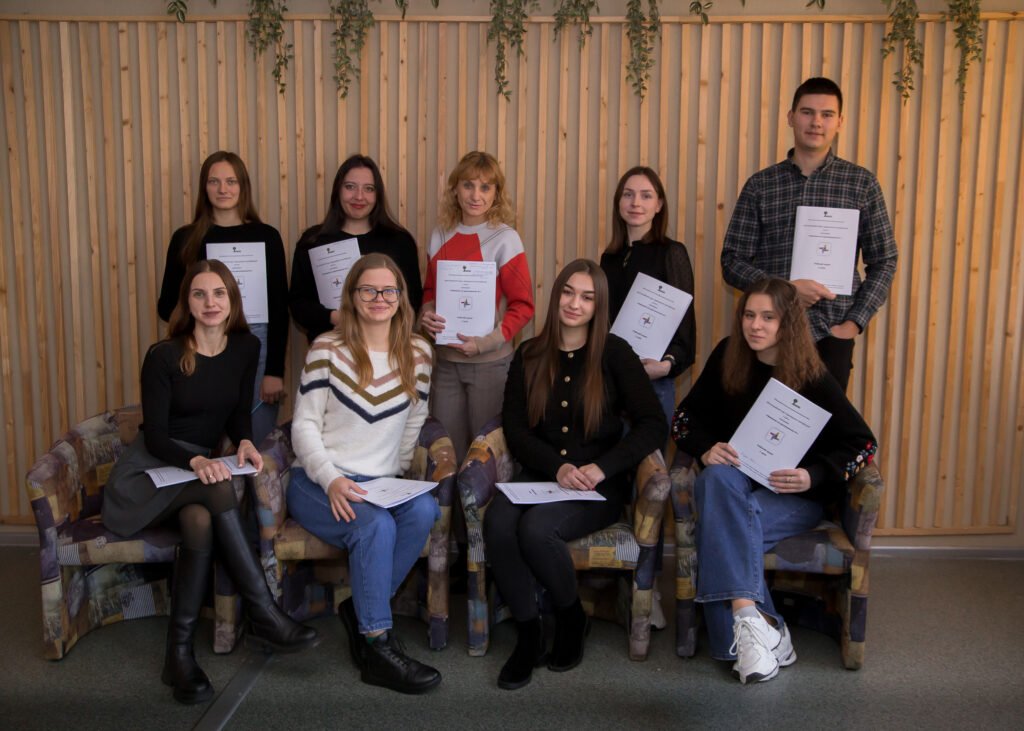
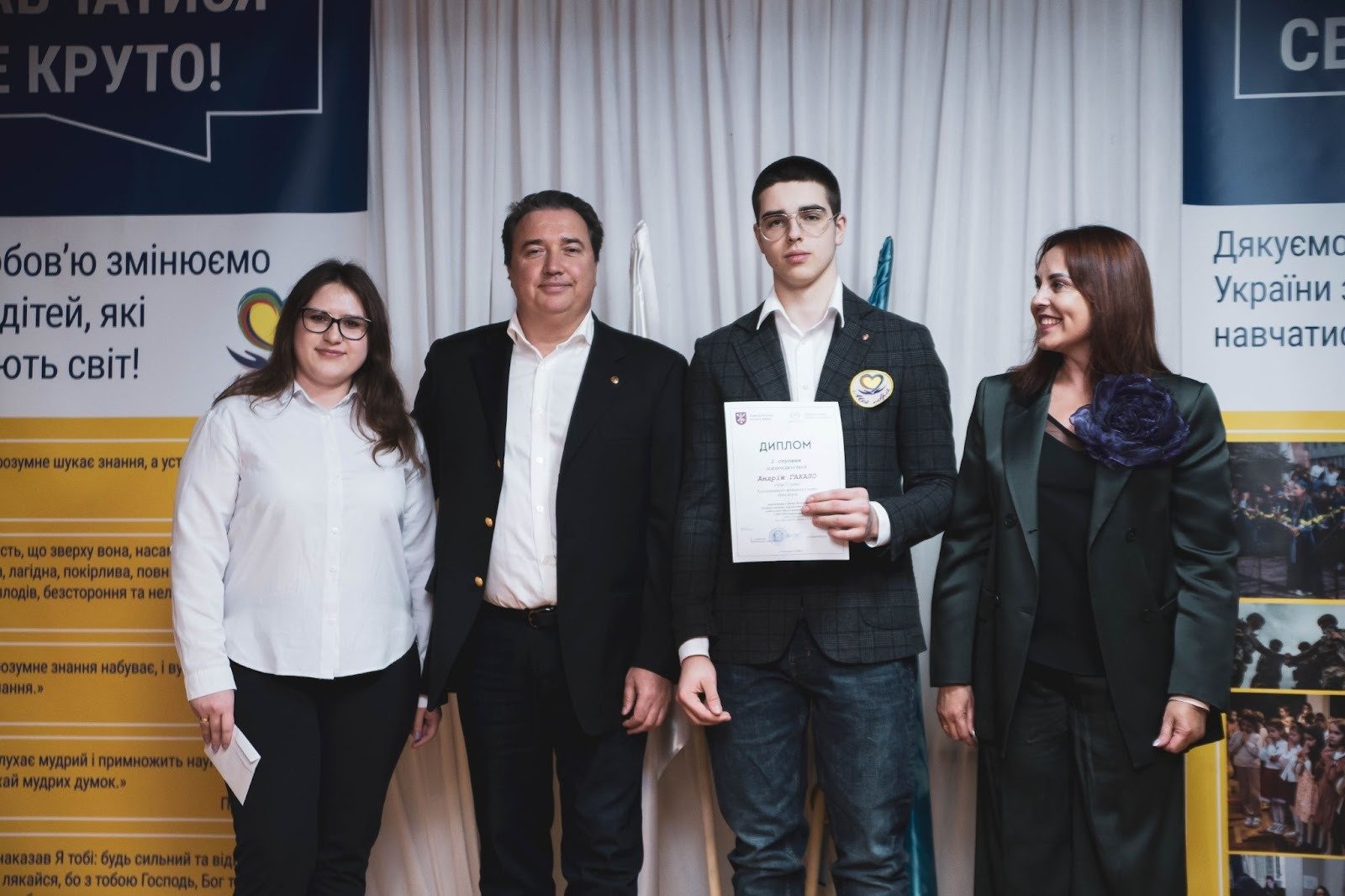
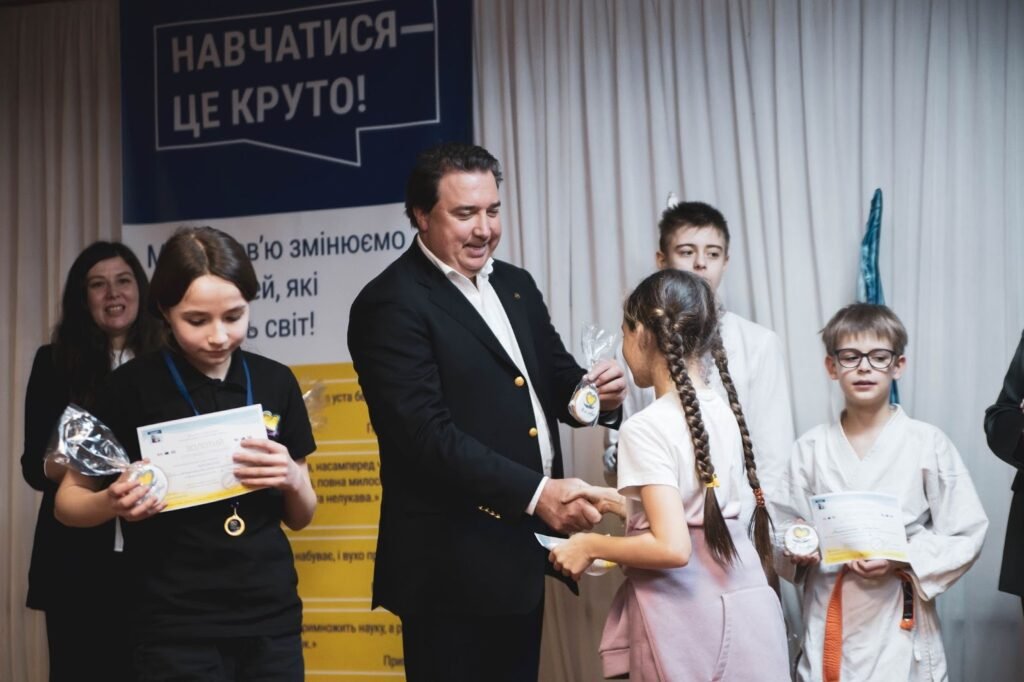
Учні з дипломами стоять у групі

What Private Education Really Offers

In most modern private lyceums, the focus is not only on test results, but on holistic development. Children are encouraged to discover their strengths, learn to work in teams, ask questions, and think critically. It is far more important not just to reproduce material, but to understand its practical value.

Private schools often have smaller class sizes, allowing teachers to give more attention to each student. Projects, debates, research assignments, and integrated lessons are actively used. This creates an environment where comfort is combined with high standards and responsibility.

Among the key advantages of private education are:

  • an individualized approach to learning pace and style;
  • close cooperation between the school and the family;
  • modern educational programs and opportunities for specialized learning.

It is important to emphasize that a private school is not an “easier path,” but a different format of organizing education—one where attention to the individual goes hand in hand with high expectations for results.

Annual Scientific Colloquium at the My Horizons Lyceum focused on inspiring children to make a positive impact on the world.

Who Private Lyceums Are For

Private institutions are not a universal solution for everyone. They are best suited for children who need individual support, a safe atmosphere, and flexible educational pathways. For active, curious, and creative students, this can be an environment for rapid growth.

At the same time, it is important that the family shares the school’s values and is ready for partnership. Private education implies more active parental involvement in the educational process and ongoing interaction with teachers.

Thus, when it comes to private lyceums in Kyiv, the key factor is not the status of the institution, but how well its approach matches the needs of a particular child. An informed choice removes most fears and reveals the real picture: private education is primarily about responsibility, respect for individuality, and modern opportunities for development.