Talent Development at “My Horizons” Lyceum: Extracurricular Activities for Every Child

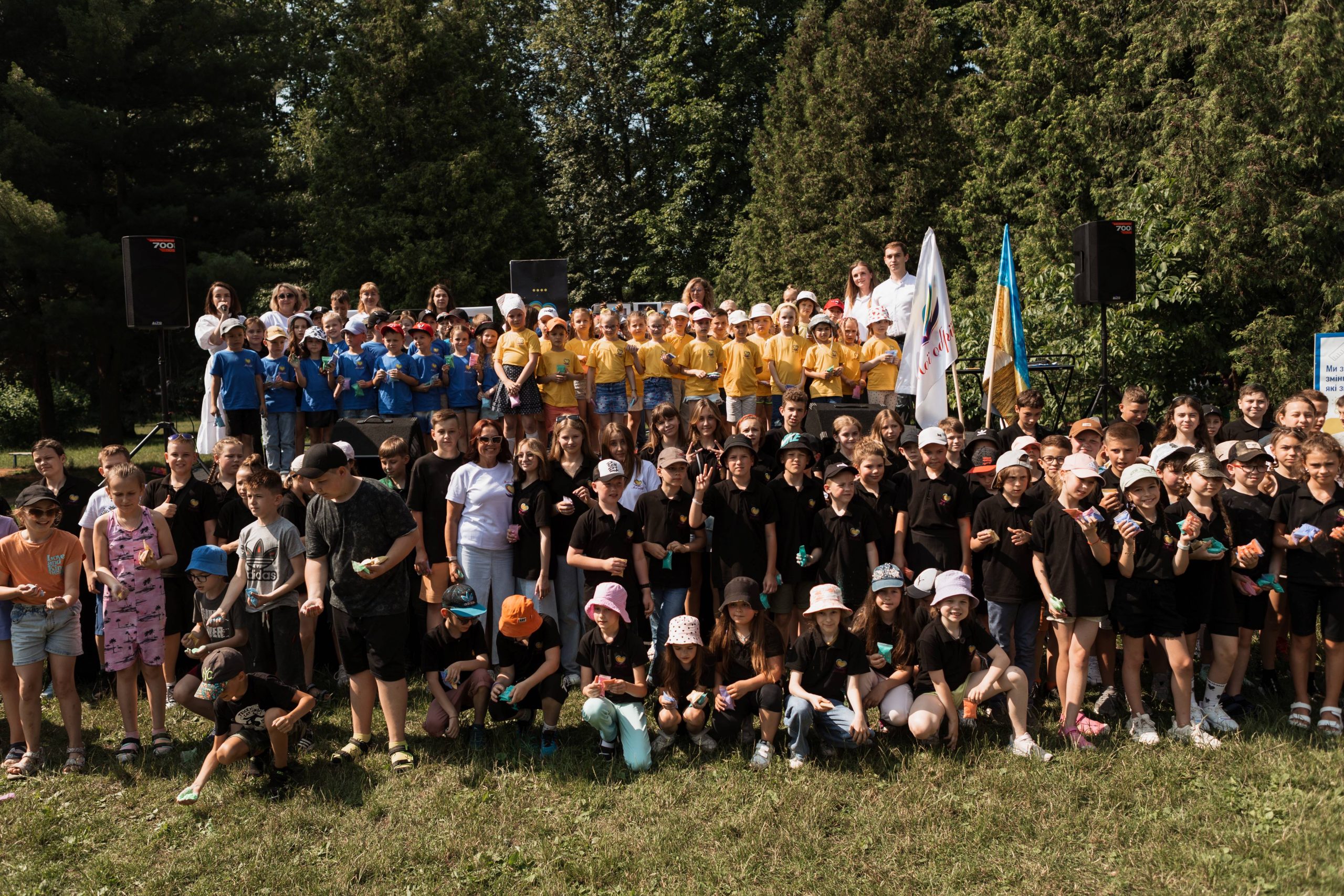
At My Horizons Lyceum, every child is given the space to let their spark of creativity shine. Our educational approach goes beyond textbooks and traditional lessons — it embraces movement, emotions, music, sports, and the arts. Here, children sing, dance, draw, experiment, play football, and explore the world of cooking. Clubs at the lyceum are not just an entertaining pastime; they are a path to self-discovery, joyful exploration, and confidence in one’s abilities.

Clubs for Children — A Space Where Talent is Born

Every child has a unique gift. Some love to sing, others to draw, and some feel happiest on the football field or the stage. At My Horizons Lyceum, we believe that a school’s main task is not only to impart knowledge but also to help children discover their own abilities. This is why talent development is an essential part of our educational philosophy.

Our children’s clubs are not just extracurricular activities; they are a living space of creativity, joy, and self-expression. Here, a child can find what truly excites them, learn to believe in themselves, and see the results of their own efforts.
Creativity That Unfolds Personality

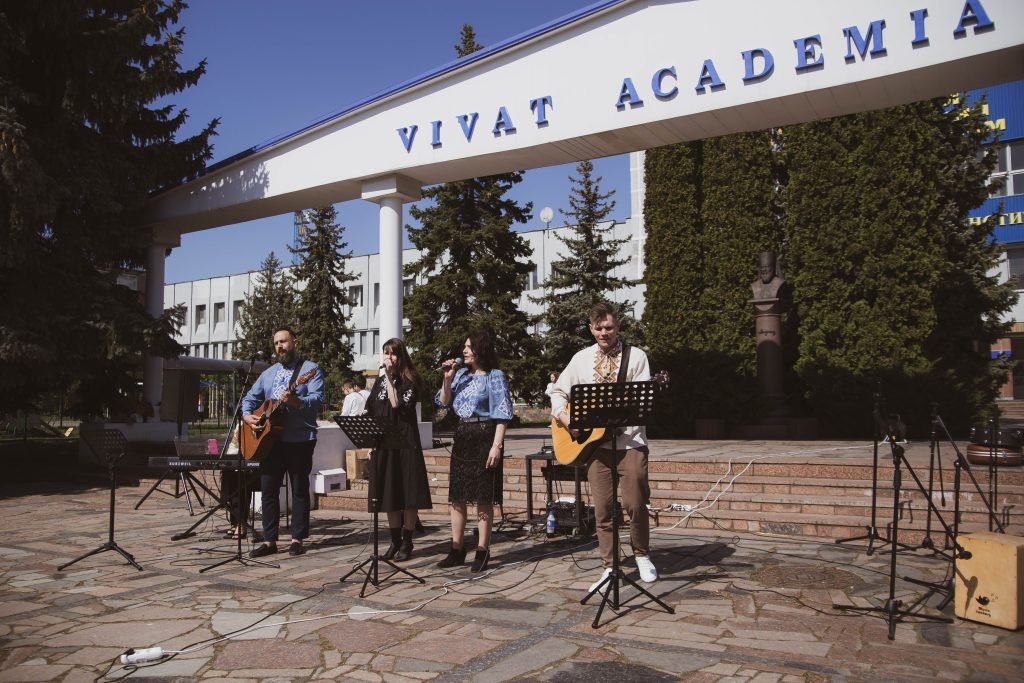
We offer a wide range of creative clubs — from vocal studios and theater groups to cooking and choreography. Each direction helps children express emotions, learn teamwork, and develop imagination and confidence.

In the vocal studio, children learn not only to sing but also to perform in front of an audience, manage stage anxiety, and feel the music. The theater club helps them understand the language of gestures and emotions, while choreography classes develop rhythm, grace, and discipline.

We create an environment where every child’s success is not just a result, but a step toward realizing their own potential.

Sports and Character: Strength in Motion

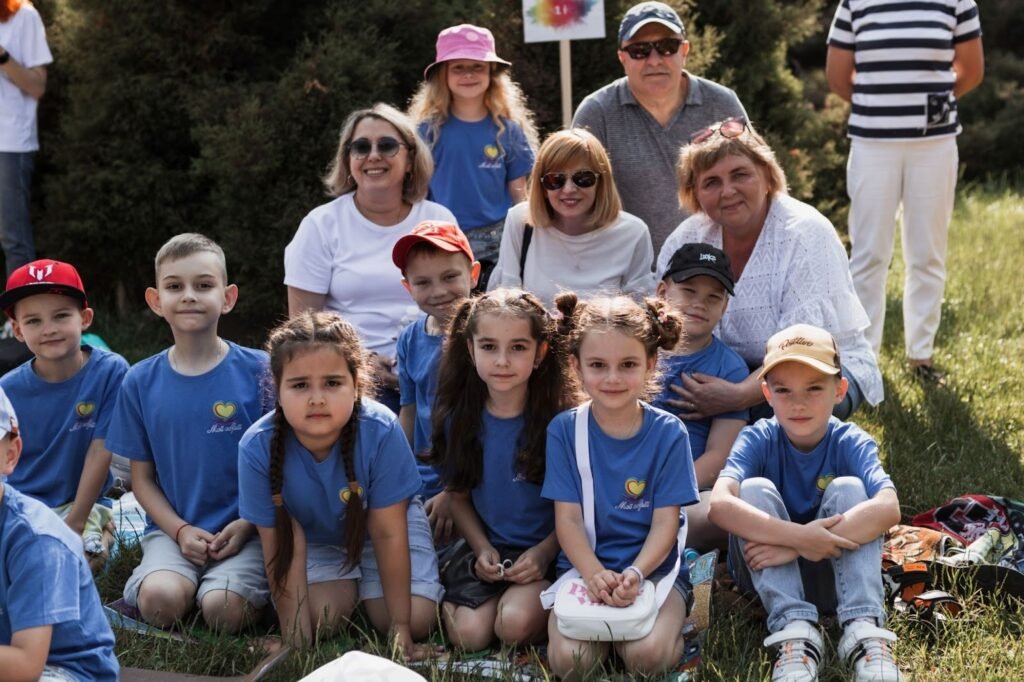
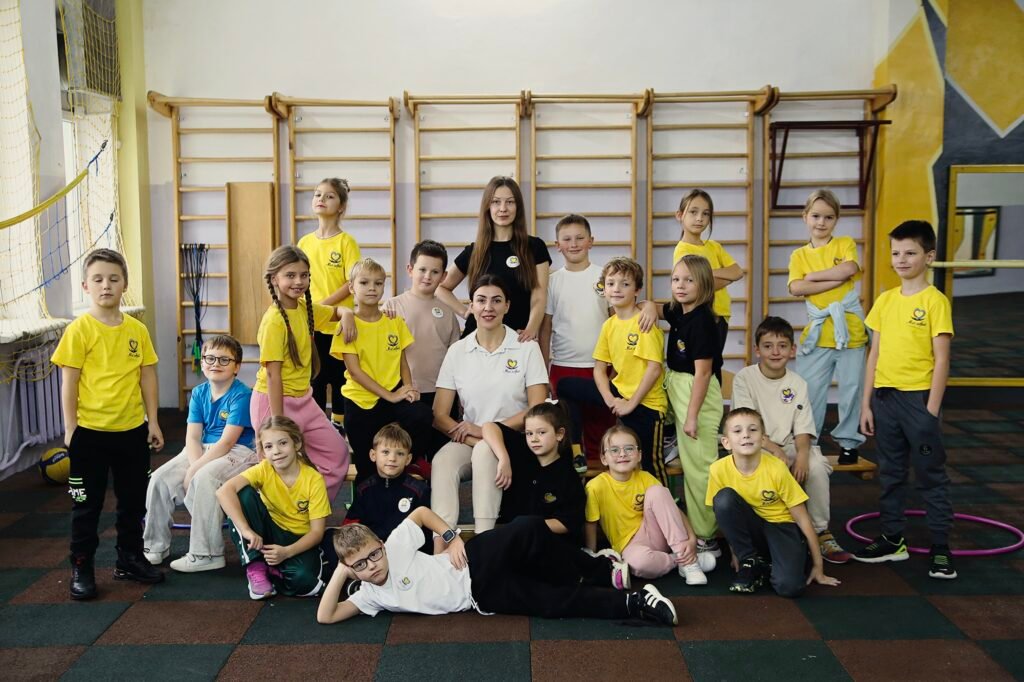
At My Horizons Lyceum, sports are not just about physical development; they also teach willpower, mutual respect, and team spirit. Our sports clubs include football, karate, and other active disciplines that help children grow strong, resilient, and goal-oriented.

During training, children learn focus, fair play, and endurance. We believe that true achievement is not only winning competitions but also the ability to persevere and support others.
Soroban, Cooking, and Other Exciting Directions

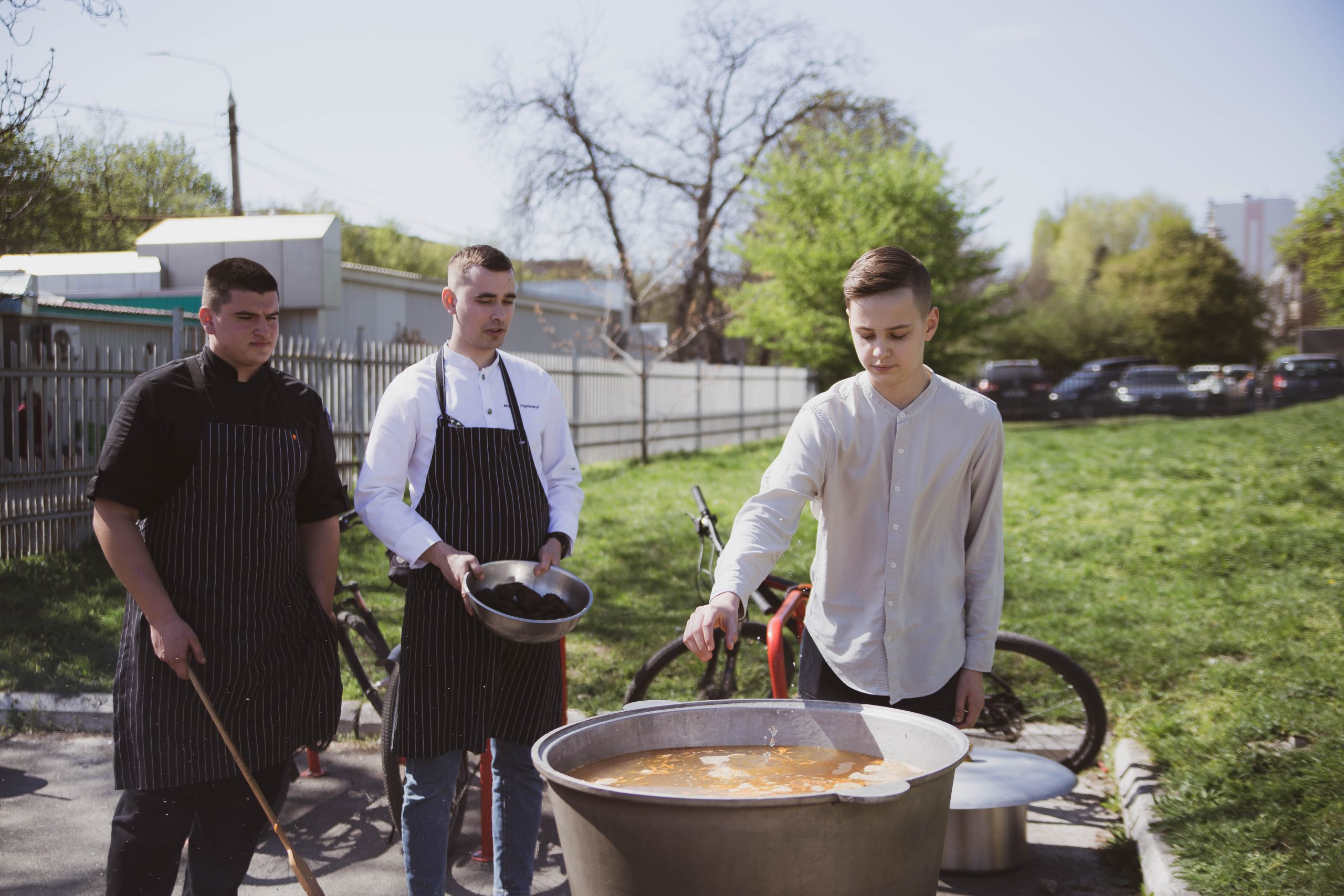
In addition to creative and sports activities, children can explore unconventional areas of development — soroban (mental arithmetic), cooking, tourism, and crafts. These clubs help develop concentration, logical thinking, and practical skills that are useful in everyday life.

We believe that extracurricular education should be a source of inspiration, not an obligation. Each child can try different directions and find the one that resonates with them.

“My Horizons” Lyceum — A Place Where Talents Blossom

At My Horizons Lyceum, we create an environment where every child has the opportunity to discover themselves. Our approach is simple yet profound: every child has talent — they just need space to grow, support, and belief in their abilities. That’s why club activities are not secondary lessons after school, but an organic continuation of the educational process.

We see children not only as students but as future creators, explorers, artists, and athletes. Some discover themselves through singing or theater, others through sports or science, and some through kindness and caring for others. For each child, there is a place, a direction, and their own “horizon” of possibilities.

Here, children are not compared to others — they are inspired. They are not required to be the best — they are helped to become themselves. True talent development begins where there is acceptance, support, and love for the child.

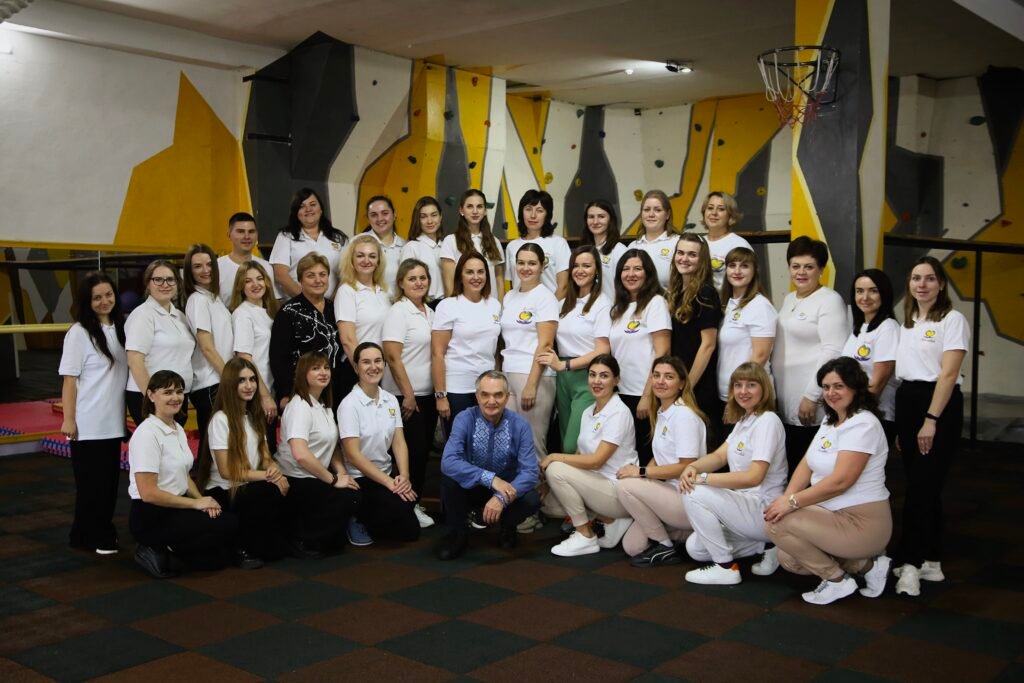
My Horizons Lyceum is more than just a school. It is a community of children and adults who grow, dream, and learn to believe in their own abilities together. And that is the true meaning of our work.

Modern Educational Methods: How Learning Is Changing in Kindergartens and Schools

Modern education in Ukraine is undergoing a period of profound renewal. Today, learning goes beyond textbooks and tests — it becomes a space for personal growth, critical thinking, collaboration, and creativity. The ideas of the New Ukrainian School are gradually spreading across all levels of education — from kindergarten to high school — shaping a generation ready to live in a dynamic world.

At My Horizons Lyceum, we see our mission as combining classical values with modern teaching approaches. We strive to make education not something that forces, but something that inspires — awakening curiosity, fostering critical thinking, and building confidence in one’s own abilities. After all, the most important thing a school can teach is the desire to keep learning throughout life.

Interactive Learning: When a Lesson Becomes a Discovery

One of the main directions in the development of modern education is interactive learning — an approach in which a child doesn’t just listen but actively participates in the learning process. The lesson becomes not a lecture, but a discovery — a shared search for answers, where it’s important not only to know but also to think, analyze, and ask questions.

At My Horizons Lyceum, we turn learning into a lively interaction: we use play-based methods, role-playing activities, group projects, and discussions. In classrooms and kindergarten groups, we build an atmosphere of partnership. Every child has the right to their own opinion, and the teacher’s role is to support, guide, and help them find their path to understanding. This is how a genuine interest in learning is formed — one based not on grades, but on an inner desire to explore.

STEAM Education: Learning That Awakens Curiosity

One of the most dynamic and inspiring trends in modern teaching is STEAM education — an approach that combines Science, Technology, Engineering, Art, and Mathematics. This format develops not only logical thinking but also imagination, helping children see connections between different subjects and understand how knowledge works in real life.

At My Horizons Lyceum, we implement the STEAM approach through experiments, modeling, and creative projects. Children don’t just listen or memorize — they create: build bridges, design mechanisms, explore natural phenomena, and find their own solutions.

This innovative style of learning cultivates the ability to think, analyze, and create. We are convinced that modern education in Ukraine should nurture not performers, but thinkers — children who see the world as a space of endless possibilities. And it is precisely the STEAM approach that makes this journey exciting, vibrant, and full of discoveries.

Technologies That Make Learning Joyful

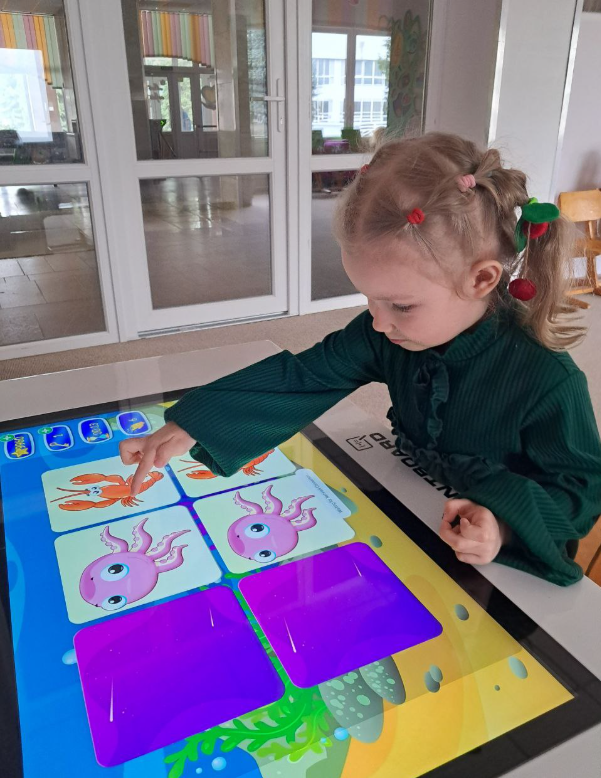
Innovation in education is not just about gadgets or online platforms. It is, above all, a shift in approach — from “memorize” to “understand and apply.” In our learning process, we use digital tools to make the material more accessible and engaging — interactive whiteboards, educational software, and virtual excursions.

At the same time, we ensure that technology does not replace real human interaction. The main goal is to leave space for emotions, collaboration, and positive relationships between students and teachers.

“My Horizons” Lyceum — A Place Where Children Flourish

Modern teaching methods are not a temporary trend, but a natural evolution of a system that seeks to understand the child. We want schools and kindergartens to be not sources of stress, but places where children grow calm, happy, and confident.

At My Horizons Lyceum, we believe that true innovation in education begins not with technology, but with people. The best methodology is a caring teacher who sees the child as a unique individual. The most powerful technology is care. And the most important result of learning is an open heart, ready to explore, think, and love the world.

Psychological Support for Children During War: How to Help a Child Cope with Stress

War is a challenge not only for adults but also for children. Even if a child does not witness danger directly, they can keenly sense changes in the voices, behavior, and moods of the adults around them. A child’s world is, first and foremost, the world of their loved ones’ emotions, so any fear, anxiety, or confusion felt by parents is instantly reflected in the child. In such times, psychological support for children becomes essential — it helps them preserve a sense of safety and trust in the world.

Signs of Child Stress: What to Look Out For

From the perspective of child psychology, stress in children is not always immediately visible. A child may not directly express fear, yet their body and behavior often “speak” louder than words. It’s important to pay attention if you notice:

  • frequent tears, irritability, or sudden emotional outbursts;
  • sleep problems, reluctance to go to school, or avoidance of peers;
  • excessive anxiety or, on the contrary, indifference and fatigue;
  • loss of interest in favorite activities such as drawing or playing.

When we talk about childhood stress, it’s essential to remember: it is not a sign of weakness but a natural reaction to instability in the world around them. The role of adults is not to suppress these emotions but to help the child experience and release them without fear.

How to Help a Child During War: The Role of Parents

Sometimes the simplest actions offer the greatest support. What seems ordinary to adults can represent stability and safety for a child.

Tips for parents:

  • Speak honestly, but calmly. There’s no need to go into graphic details, but it’s important to reassure your child that you are near and in control. Use simple, caring words to explain what’s happening — without unnecessary drama.
  • Maintain routines. Familiar daily rituals — morning tea, a shared prayer, or a bedtime story — help children feel that life goes on and that the world still has meaning.
  • Be an example of resilience. Children imitate not words but reactions. When parents remain calm even in difficult circumstances, the child feels safe and knows they can rely on them.
  • Allow emotions to exist. If a child cries, stays silent, draws, or asks questions — don’t stop them. This is their way of processing emotions and restoring balance.

Parents are their children’s first psychologists. Their presence, hugs, and attentive listening often mean more than any words. Support during wartime begins at home — with the warmth, peace, and love a child feels every day.

How We Reduce Tension in the Classroom: Advice from the Teachers of “My Horizons” Lyceum

For many children today, school is not only a place of learning but also a space for recovery. It is here that a child learns to trust the world again, finds stability, and regains a sense of safety. In such times, it is especially important to know how to help a child during war — how to restore calm, confidence, and the desire to learn.

At My Horizons Lyceum, we begin each day with simple yet meaningful routines — a short conversation about mood, feelings, and what may be worrying the students. We teach children to notice and name their emotions, to express their feelings with words rather than behavior. This practice becomes the first step toward emotional healing and smooth adaptation to the learning process.

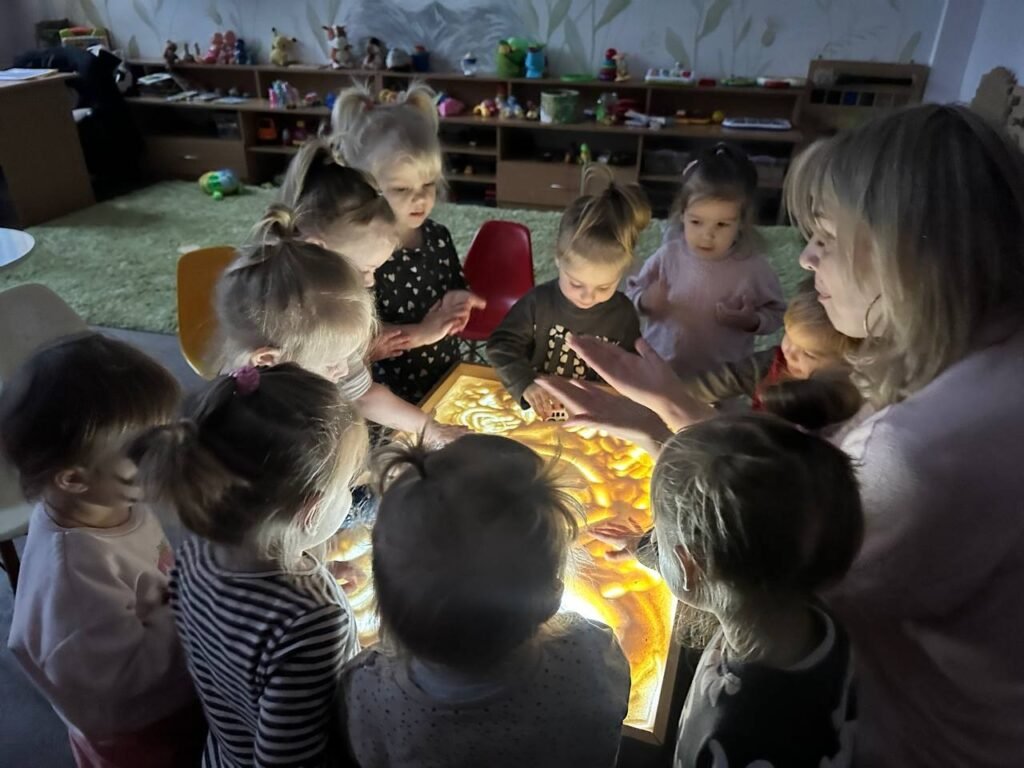
We actively use art therapy methods — drawing, sand play, music, and movement games. Through creativity, children learn to process emotions rather than withdraw into themselves.

A special role is given to mutual support in the classroom. We organize group tasks and joint projects where students help each other, learn to listen, and show empathy. This is not just education — it’s a school of empathy and trust.

Everything we do is based on one belief: learning is only possible where a child feels safe.
That’s why care, acceptance, and a friendly atmosphere are not additions to the lesson — they are its very heart.

Early Childhood Development in a Private Kindergarten: First Steps Toward Success

Early Childhood Development at MOYI OBRIYI Private Kindergarten

The preschool years lay the foundation for a child’s entire future. It is during this period that the first skills, personality traits, interests, and worldview begin to form. At MOYI OBRIYI Private Kindergarten, conditions are created for a harmonious blend of play, learning, and creativity, making early development a natural and engaging process. Each day becomes a step toward new discoveries and a confident future for every child.

Why It’s Important to Start Early

Research shows that a child’s first years of life are the most favorable for acquiring new knowledge and developing foundational skills. During this period, the brain works exceptionally actively, making it easier to retain information and acquire new abilities more quickly and naturally. Early development plays a key role in building confidence, independence, and a love for learning.

Another reason to start early is the development of basic social skills. Children learn to interact with peers, share, negotiate, and listen to others. These important “soft skills” are invaluable both in school and later in life.

Early learning also supports the development of memory, attention, and language. A child who from an early age engages in educational games, stories, speech therapy exercises, or music lessons adapts more easily to the school curriculum.

At MOYI OBRIYI Private Kindergarten, parents see their children quickly become more open, curious, and confident. This is the result of a systematic approach that takes into account the needs and developmental stages of each child.

Early Development Methods

At MOYI OBRIYI Kindergarten, early development is based on modern methods that combine play and learning. This allows children to acquire knowledge in a natural and engaging way.

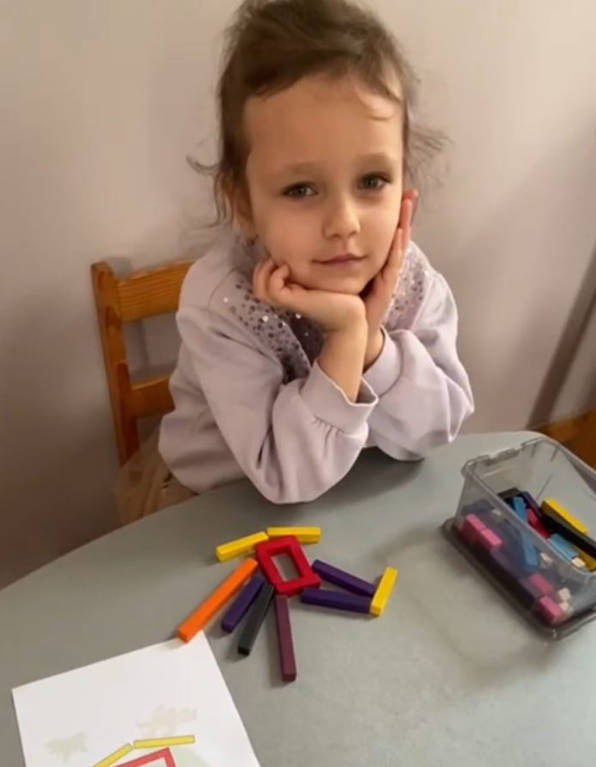
One of the key methods is integrated learning. For example, during a lesson on the theme “Spring,” children simultaneously learn poems, paint flowers, count petals, and observe changes in nature. This approach fosters a holistic understanding of the world and teaches children to see connections between different phenomena.

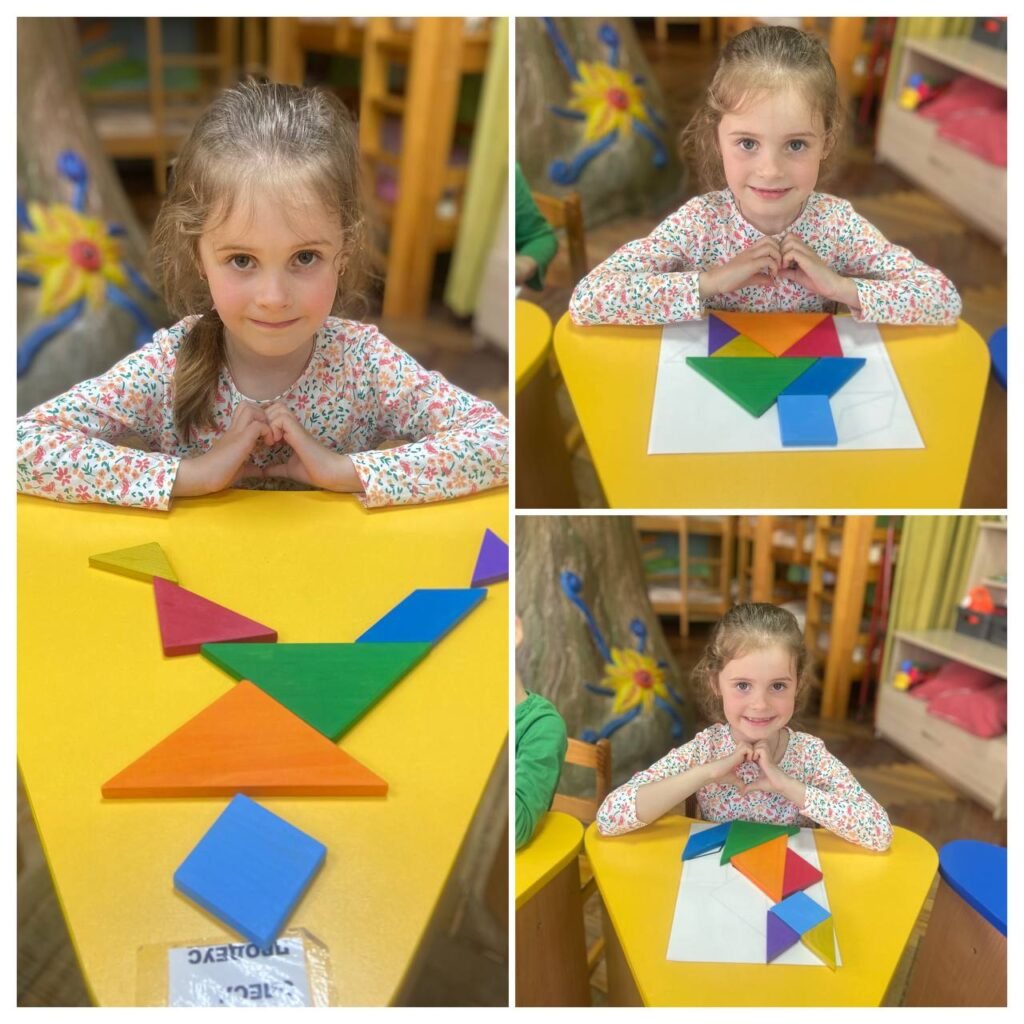
Creativity development also plays an important role. Children draw, sculpt, sing, dance, and create little stories—all of which help develop imagination, thinking, and self-expression. Creative development becomes a natural part of every day.

Equally important is physical development: daily active games, gymnastics, sports relays, and outdoor activities. These practices cultivate a love for an active lifestyle and strengthen children’s health.

Individual Approach to Each Child

Every child is unique, which is why MOYI OBRIYI Kindergarten places special emphasis on personalized learning. Teachers carefully observe each child’s strengths and interests and select methods that best match their developmental pace.

An individual approach means that a child is not just “keeping up” with the program but receives support in areas that need extra attention. If one child quickly grasps mathematical games, another may spend more time on creative activities or language exercises—and that is perfectly normal.

Close communication with parents is also essential. Teachers regularly share observations and provide advice for activities at home, ensuring that the development process is harmonious and comprehensive. This creates a unified team: child, teacher, and family.

On November 19, we warmly invite you and your child to our Open Day!

Here’s what awaits you:
✅ A guided tour of our lyceum
🎨 Workshops for children (drumming, climbing wall, and more)
💬 Meet-and-greet with our administration

Come and get to know us — this might be where your child’s story begins! 💫

📍 Myru Avenue, 101A

📩 Register via the link

https://docs.google.com/forms/d/e/1FAIpQLSdaPCG_HKYu8_-Z56Jt7KD2cvZonDnjc9bwca2PyKSudEMRSQ/viewform

Educational Programs in a Private Kindergarten: Key Areas

Core Educational Programs at MOYI OBRIYI Private Kindergarten

Preschool age is a time when every day brings a child new discoveries and little adventures. It is during this period that educational programs must be not only useful but also engaging, combining play, creativity, and exploration. At MOYI OBRIYI Kindergarten, the learning process is designed so that every child gains new knowledge daily while experiencing the joy of discovery. Through integrated learning and modern educational methods, children build a holistic view of the world, develop creativity, and confidently take steps toward balanced growth.

A Comprehensive Approach to Child Development

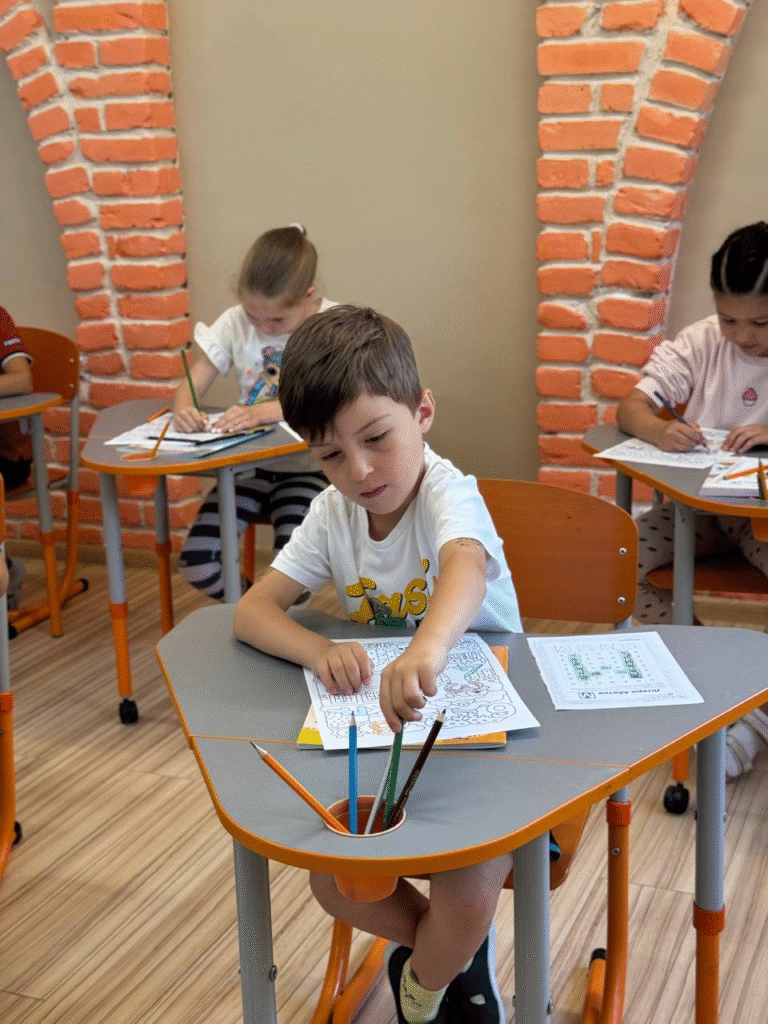
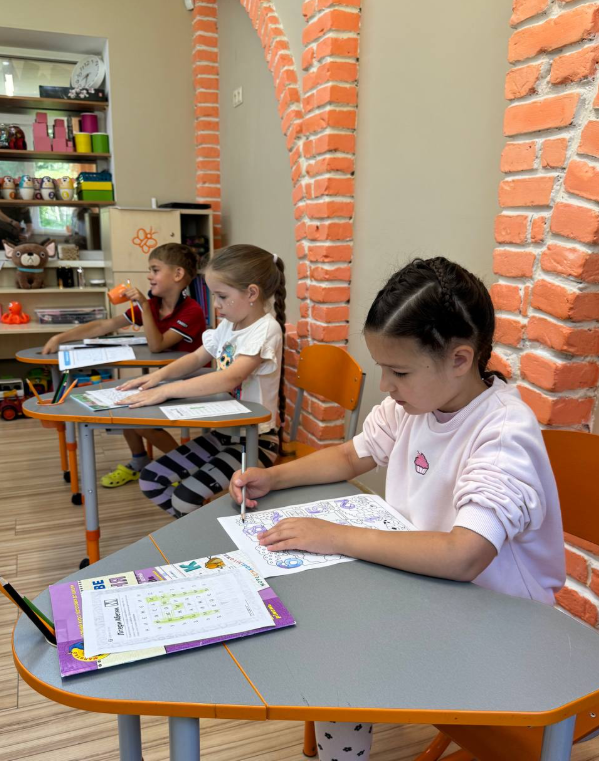
At MOYI OBRIYI Private Kindergarten, educational programs are designed to harmoniously combine intellectual, emotional, and creative development. Each child’s day is filled with diverse activities—from math and language lessons to creative workshops and music classes. This approach helps children form a well-rounded understanding of the world.

Special attention is given to individual needs. The program takes into account different learning styles: some children absorb information more quickly through listening, others through movement or visual images. Teachers support each child in finding their own learning path, ensuring the process is both comfortable and effective.

In addition to academic knowledge, the kindergarten places great emphasis on developing social skills. Children learn to work as a team, listen to one another, share their thoughts, and respect different perspectives. This lays the foundation for future success in school and beyond.

Features of Integrated Learning

An important principle of the educational programs at MOYI OBRIYI Kindergarten is integrated learning. This means that a child does not simply study individual subjects, but sees them in connection with one another. For example, a topic like “Water” may include physics experiments, painting waves with colors, learning poems about rain, and observing nature during outdoor walks.

This approach helps children not only remember material better but also develop the ability to think holistically. They see the world as a unified picture, where knowledge from different areas interweaves and complements one another.

Integrated learning also makes the educational process vibrant and engaging. Children eagerly complete tasks because they are presented as games, creative activities, or small research projects. This fosters natural curiosity and a genuine desire to learn.

Parent and Teacher Feedback

Parents unanimously note that thanks to the educational programs at MOYI OBRIYI Kindergarten, their children become more confident, open, and independent. Little ones eagerly share their impressions at home, talk about the new topics they have explored, and happily demonstrate the skills they gained during lessons. For many families, this is proof that the learning process can be both effective and truly engaging for a child.

Teachers, in turn, emphasize that working within such a system allows them to fully unlock each child’s natural potential. They observe how integrated learning helps children draw their first conclusions faster, show creativity, learn to listen to others, and work as a team. In this way, not only basic knowledge is gradually formed, but also essential life competencies.

Thanks to its consistency and practicality, the educational programs at MOYI OBRIYI not only meet modern educational standards but also create an atmosphere of trust and mutual support. It is a special space where parents, educators, and children become a united team, and every child’s development unfolds in harmony and inspiration.

English-Language Lessons: The Benefits of Early Language Learning

Early English Learning at MOYI OBRIYI

In today’s world, it is impossible to imagine life without foreign languages, especially English. The earlier a child begins to learn it, the easier and more natural the process becomes. At MOYI OBRIYI Private Kindergarten, English lessons have become an integral part of the educational program, as they not only broaden children’s horizons but also support the overall development of speech and communication skills.

Teaching Methods and Integration into the Learning Process

At MOYI OBRIYI Kindergarten, English learning in preschool is introduced in the most natural way—through play. Teachers turn lessons into exciting adventures: children sing songs, learn rhymes, play active games, and take part in interactive activities. This way, English is not perceived as a set of dry rules or words to memorize but as an engaging part of everyday life.

The distinctive feature of our approach is that English is seamlessly integrated into the child’s familiar environment. During walks, playtime, or even mealtime, teachers use simple English phrases: greetings, requests, colors, object names, or counting. Children learn to ask for a toy or say “thank you” in a foreign language, making their knowledge practical and immediately applicable.

Visual elements also play an important role. Lessons actively incorporate bright flashcards, posters, educational videos, and English-language cartoons. Unlike traditional formats such as classic language courses, this method allows children to perceive the language through images, intonation, and sounds rather than translation. This approach develops a natural “language intuition,” enabling children to immerse themselves easily and effortlessly in the English-speaking environment.

Future Benefits for Children

English lessons in preschool are an investment in a child’s future. Children who start learning English at an early age find it easier to grasp the school curriculum: they develop clearer pronunciation, expand their vocabulary more quickly, and feel more confident during lessons. For them, a foreign language becomes not a difficult subject, but a natural tool for communication.

In addition to building language skills, early English learning has a positive impact on intellectual development. It trains memory, develops attention and concentration, and fosters flexible thinking. Children learn to switch between tasks more quickly, absorb new information more easily, and show greater creativity in solving different situations.

Equally important is the fact that knowing a foreign language opens up countless opportunities for a child’s future. It can mean studying at international schools or universities, traveling, and making friends with peers from different countries. English becomes a true “ticket to the world,” giving children freedom, self-confidence, and broader opportunities for growth.

Lesson Examples and Results

In practice, English lessons at MOYI OBRIYI Kindergarten feel like fun mini-adventures. Children “travel” to the land of colors, animals, or fairy-tale characters, where every new word is a discovery. Teachers use puppets, board games, songs, and even short theatrical performances.

The results are noticeable after just a few months: children begin to use simple English words in everyday life, easily understand basic instructions, and happily repeat new phrases. For them, the language becomes not a school subject but a natural tool for communication.

Parents note that after such lessons their children become more confident, eagerly demonstrate new knowledge at home, and even encourage the whole family to learn English words together. This creates a positive learning atmosphere, stimulates speech development, and motivates children to continue progressing.