
- Content
Modern education in Ukraine is undergoing a period of profound renewal. Today, learning goes beyond textbooks and tests — it becomes a space for personal growth, critical thinking, collaboration, and creativity. The ideas of the New Ukrainian School are gradually spreading across all levels of education — from kindergarten to high school — shaping a generation ready to live in a dynamic world.
At My Horizons Lyceum, we see our mission as combining classical values with modern teaching approaches. We strive to make education not something that forces, but something that inspires — awakening curiosity, fostering critical thinking, and building confidence in one’s own abilities. After all, the most important thing a school can teach is the desire to keep learning throughout life.
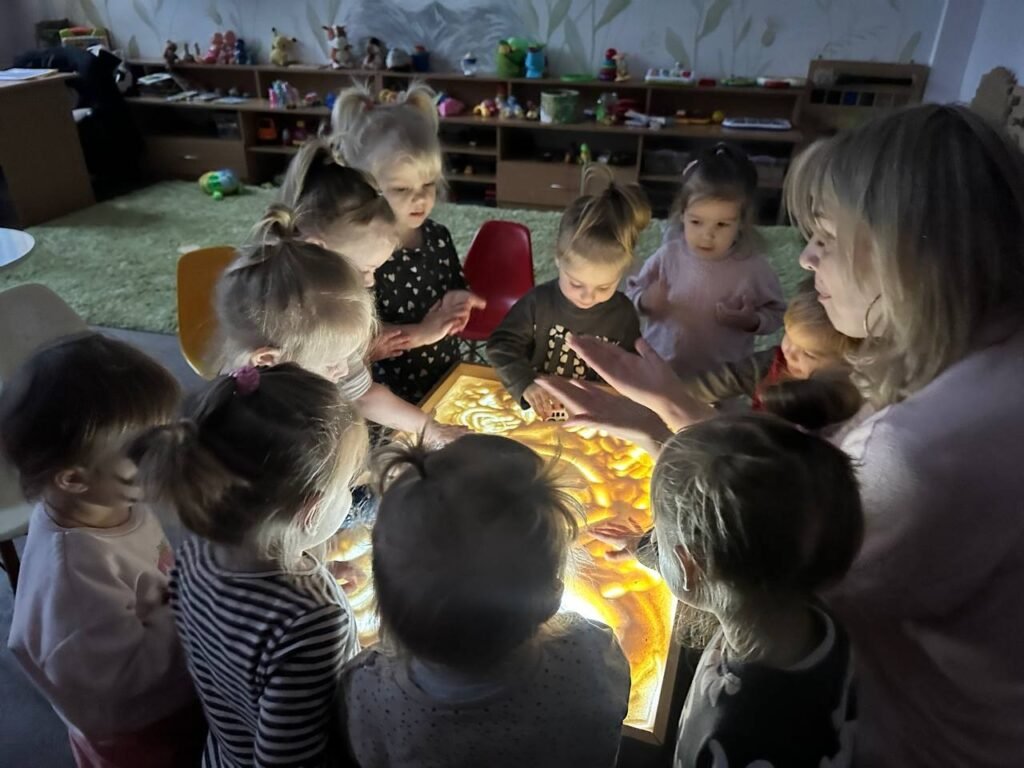
Interactive Learning: When a Lesson Becomes a Discovery
One of the main directions in the development of modern education is interactive learning — an approach in which a child doesn’t just listen but actively participates in the learning process. The lesson becomes not a lecture, but a discovery — a shared search for answers, where it’s important not only to know but also to think, analyze, and ask questions.
At My Horizons Lyceum, we turn learning into a lively interaction: we use play-based methods, role-playing activities, group projects, and discussions. In classrooms and kindergarten groups, we build an atmosphere of partnership. Every child has the right to their own opinion, and the teacher’s role is to support, guide, and help them find their path to understanding. This is how a genuine interest in learning is formed — one based not on grades, but on an inner desire to explore.
STEAM Education: Learning That Awakens Curiosity
One of the most dynamic and inspiring trends in modern teaching is STEAM education — an approach that combines Science, Technology, Engineering, Art, and Mathematics. This format develops not only logical thinking but also imagination, helping children see connections between different subjects and understand how knowledge works in real life.
At My Horizons Lyceum, we implement the STEAM approach through experiments, modeling, and creative projects. Children don’t just listen or memorize — they create: build bridges, design mechanisms, explore natural phenomena, and find their own solutions.
This innovative style of learning cultivates the ability to think, analyze, and create. We are convinced that modern education in Ukraine should nurture not performers, but thinkers — children who see the world as a space of endless possibilities. And it is precisely the STEAM approach that makes this journey exciting, vibrant, and full of discoveries.
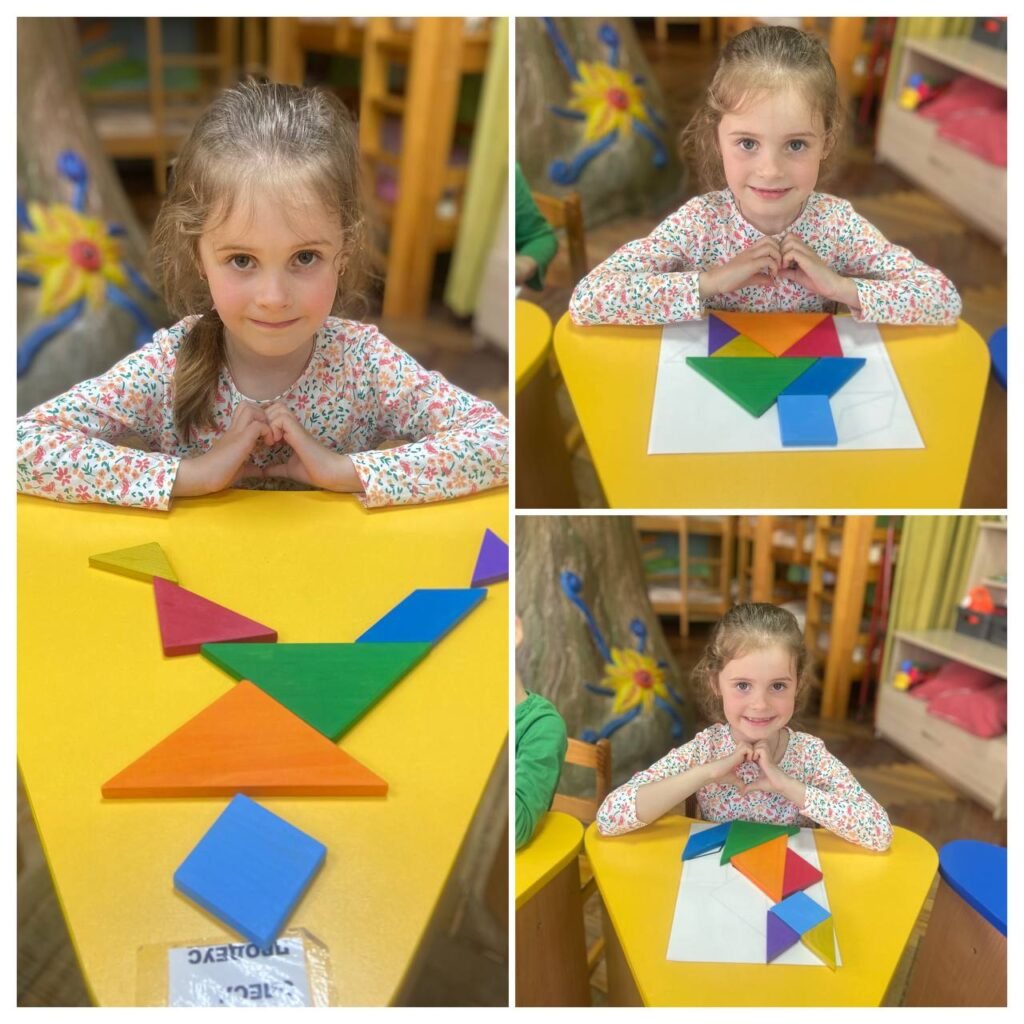
Technologies That Make Learning Joyful
Innovation in education is not just about gadgets or online platforms. It is, above all, a shift in approach — from “memorize” to “understand and apply.” In our learning process, we use digital tools to make the material more accessible and engaging — interactive whiteboards, educational software, and virtual excursions.
At the same time, we ensure that technology does not replace real human interaction. The main goal is to leave space for emotions, collaboration, and positive relationships between students and teachers.
“My Horizons” Lyceum — A Place Where Children Flourish
Modern teaching methods are not a temporary trend, but a natural evolution of a system that seeks to understand the child. We want schools and kindergartens to be not sources of stress, but places where children grow calm, happy, and confident.
At My Horizons Lyceum, we believe that true innovation in education begins not with technology, but with people. The best methodology is a caring teacher who sees the child as a unique individual. The most powerful technology is care. And the most important result of learning is an open heart, ready to explore, think, and love the world.
At My Horizons Lyceum, we believe that true innovation in education begins not with technology, but with people. The best methodology is a caring teacher who sees the child as a unique individual.