Preparing for School: What Parents Need to Know Before First Grade

Starting school is an important stage for both children and adults. How the first year goes often shapes a child’s attitude toward school, their self-confidence, and their willingness to learn. That is why preparing for school is not only about a backpack, notebooks, and a uniform. First and foremost, it is about emotional readiness, family support, and a sense of safety for the child.

At the “My Horizons” Lyceum, we see every day how different first graders can be. Some already read, some are just learning letters, some make friends easily, while others find it hard to let go of their mother’s hand. All of these situations are normal. The most important thing is to help the child feel that school is a place where they are welcomed and supported.

Readiness for first grade: what to pay attention to

Before a child starts first grade, parents often worry: do they know enough, can they write, count, or read? But true readiness goes beyond academic skills. It is important that a child can listen to the teacher, follow simple instructions, finish tasks, and not be afraid of making mistakes.

Emotional stability and a sense of support from adults sometimes matter more than the ability to read quickly. When a child knows they will be accepted even with mistakes, they become more engaged and catch up with knowledge more easily.

The main signs of school readiness can be described as:

  • interest in learning new things and a desire to go to school;
  • ability to communicate with peers and adults;
  • capacity to stay focused on a task for a period of time.

After this list, it is important to remember that all children are different, and their pace of development also differs. There is no need to compare first graders with one another—it is better to notice each child’s individual progress.
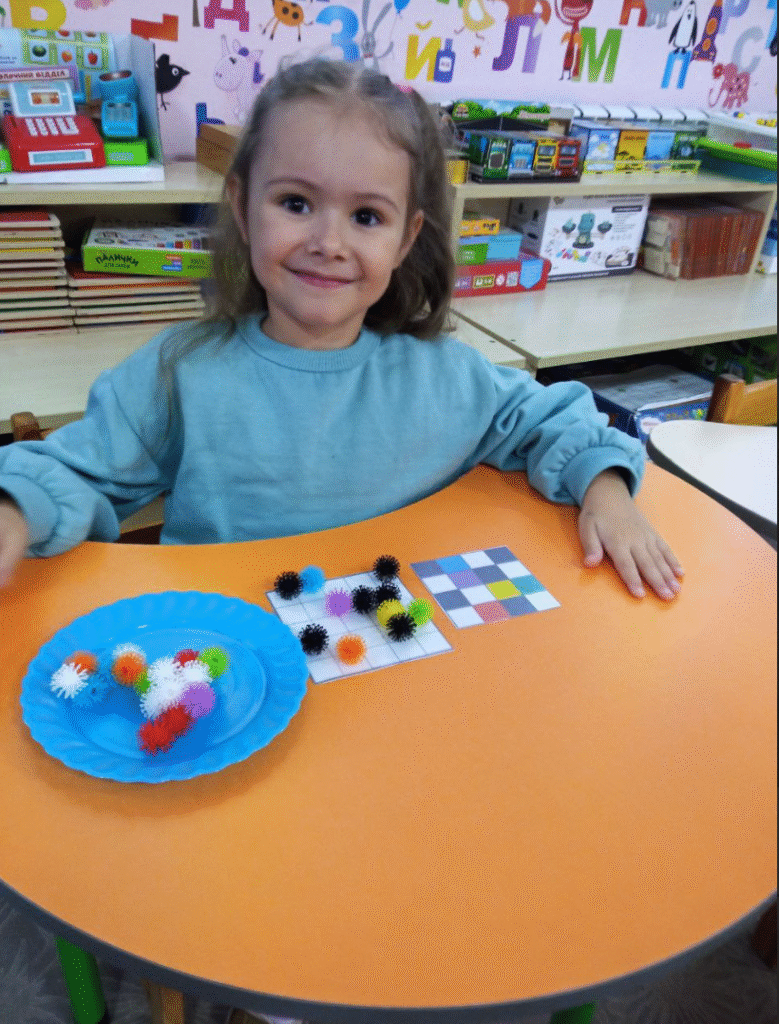
Логопедичні заняття у приватному садку «МОЇ Обрії», Хмельницький

How parents can help a child adapt

The start of school is not only about new notebooks, but also about a new rhythm of life. That is why advice for parents before school often concerns daily habits rather than textbook topics. It is helpful to establish a sleep routine in advance and teach a child to pack their belongings and take responsibility for small tasks.

It is important to talk more with the child about school: what a school day looks like, who the teacher is, what breaks are, and what to do if something doesn’t work out. When a child understands “how everything works,” anxiety decreases.

Among simple tips that truly help during the first school year are:

  • supporting the child with words and actions, not only demands;
  • discussing feelings after school, not just grades;
  • avoiding comparisons with other children and noticing the child’s personal progress.

After the list, it is worth emphasizing that the presence and calmness of adults are the child’s main resources during the adaptation period. When parents believe in their first grader, the child begins to believe in themselves.
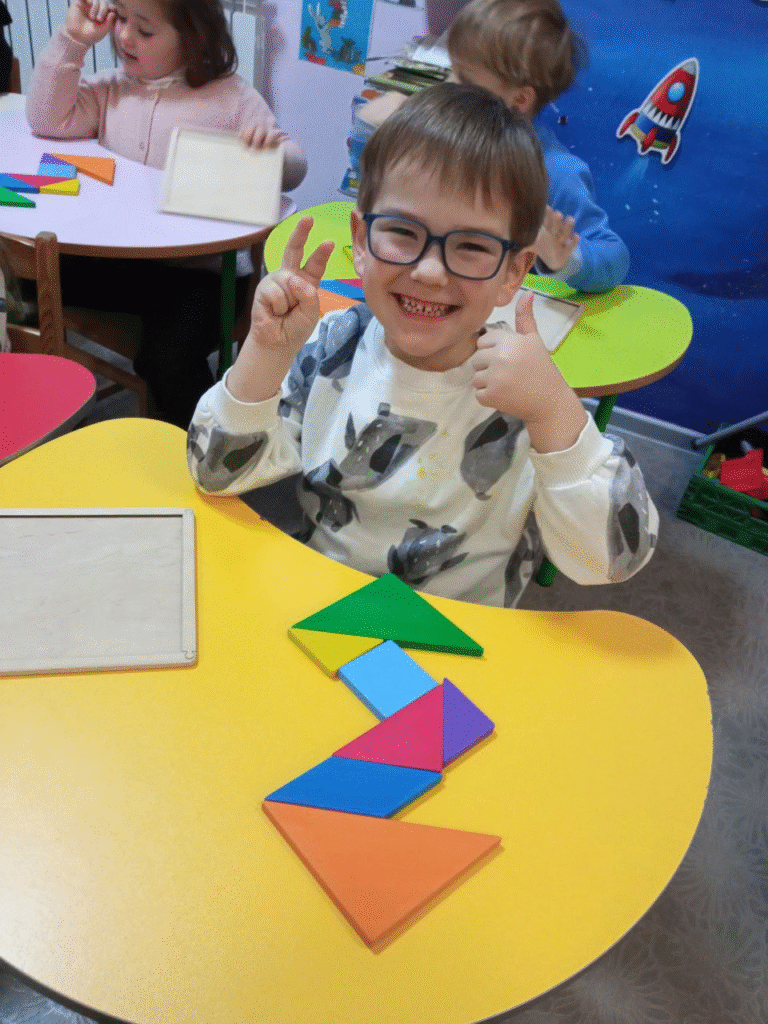
Емоційний настрій дітей на ранкових зустрічах «МОЇ Обрії», Хмельницький

The role of school in preparing a child for learning

At the “My Horizons” Lyceum, first grade is seen as the beginning of a shared journey involving the child, the school, and the family. Teachers pay great attention to helping children get to know one another, engage in group play, and follow simple routines that create a sense of stability. It is important that a young student does not feel left alone with a new system, but sees adults nearby who support and help them understand new rules.

For us, school preparation is inseparable from emotional comfort. Teachers observe not only how a child reads or counts, but also how they integrate into the group, respond to changes, and whether they withdraw into themselves. During class meetings and everyday interactions, feelings, concerns, and expectations are openly discussed. This helps form a simple yet very important feeling: “At school, I am seen, heard, and accepted.”

That is why we always emphasize cooperation with families. Teachers share with parents what they notice about the child’s behavior in class, and parents talk about how the child experiences the first months of school at home. Together, it is easier to provide timely support, encouragement, and reduce unnecessary anxiety. Step by step, this creates a school environment where a first grader feels safe and at the same time ready to discover a new, engaging world of learning.
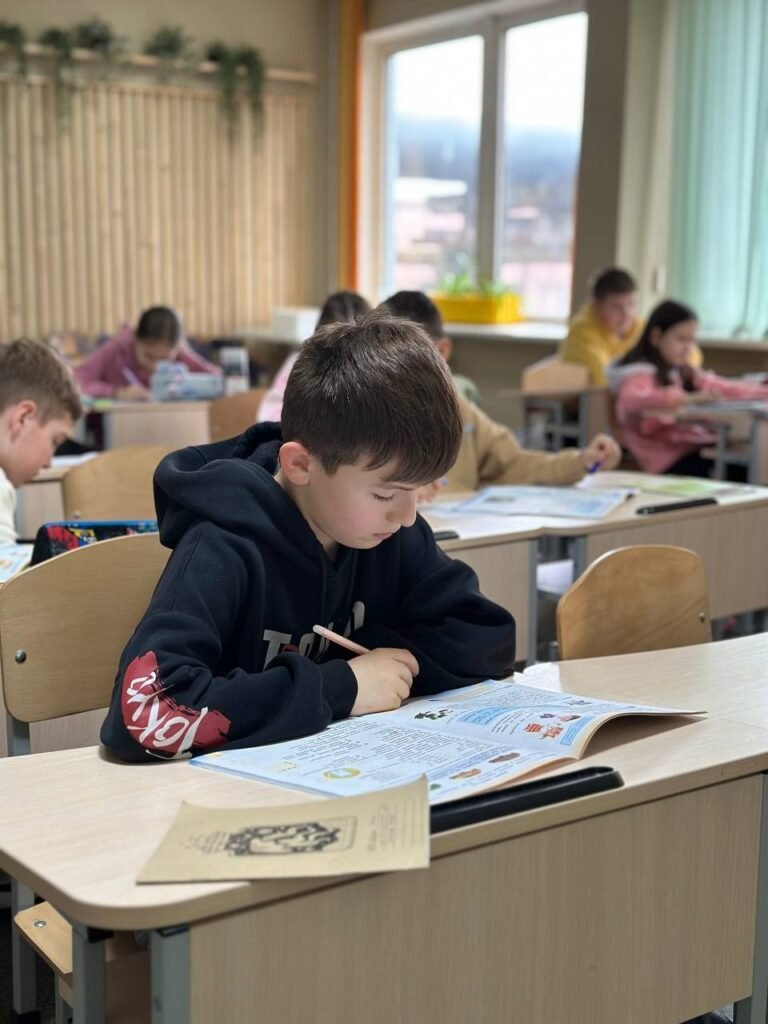
Financial Literacy at the “My Horizons” Lyceum: A Program That Prepares for Adult Life

Modern children need far more than just strong knowledge of school subjects. It is important to understand how money works, how to plan expenses, and how to make responsible decisions. That is why financial literacy receives significant attention at the “My Horizons” Lyceum. It is not an “extra club,” but part of the learning culture that helps children feel confident in real life.

The program is designed so that complex economic concepts are explained in simple language through everyday examples. Children discuss situations they encounter daily: pocket money, purchases, savings goals, charity, and the family budget. This helps build a natural understanding of the value of money and one’s own work.

Why financial literacy is important already at school

Teenagers quickly enter a world where financial decisions must be made. Mistakes along this path can be costly—not only financially, but also in terms of self-confidence. That is why we begin working with the idea of responsible resource management already at school age.

Financial literacy helps children overcome fear of numbers and planning. They learn to set goals, see the path to achieving them, and assess risks. For many, this becomes the first step toward adulthood—calm, conscious, and independent.

What the economic education program includes

The program is built gradually: from the simplest concepts to more complex economic processes. Students do not just listen to theory, but actively participate in role-playing games, scenario simulations, and small “entrepreneurial” projects.

Throughout their studies, children become familiar with the core components of what we call economic education:

  • planning a personal and family budget;
  • saving, accumulation, and responsible spending;
  • basic understanding of investments and entrepreneurship.

After the list, it is important to emphasize that this is not about imposing “right” decisions. Children are taught to analyze situations and draw their own conclusions, while adults support them and help them see the consequences of their choices.

Practical skills for real life

At the “My Horizons” Lyceum, we deliberately focus on practice. Students learn not only to calculate money, but also to talk about finances openly and responsibly. They understand the difference between wants and needs, learn to plan long-term purchases, evaluate advertising critically, and avoid impulsive decisions.

Such lessons increase independence and self-confidence. Children see that they can manage their resources rather than simply go with the flow. This will be useful in upper secondary school, university, a first job, and their own projects.

Financial literacy as part of developing a responsible individual

For us, it is important not just to give a child a set of formulas, terms, and rules. At the “My Horizons” Lyceum, we take a broader view: we want students to be able to plan, understand the consequences of their decisions, respect the work of others, and value their own time. That is why financial literacy does not exist in isolation, but is naturally connected to leadership, project-based learning, teamwork, and personal development.

Gradually, children arrive at an important realization: money is not the goal of life, but a tool that one must know how to use. In class, they learn to weigh “wants” against “needs,” track expenses, plan purchases, and pause before making impulsive decisions. This forms the habit of thinking ahead, analyzing information, and taking considered steps rather than acting purely on emotion.

Step by step, this is how true adulthood is built—calm, conscious, and responsible. Children who become familiar with the basics of financial literacy from an early age feel more comfortable in the world of adult financial decisions: from pocket money to a first salary and personal projects. They enter the future without unnecessary fear, with the understanding that they can manage their resources rather than simply adapt to circumstances.

The “My Horizons” Teaching Team: Experts Who Inspire

At school, it is not only the curriculum that matters, but above all the people who work with children every day. It is the educators of “My Horizons” who create an atmosphere of trust, respect, and inner motivation to learn. Children feel supported, can ask questions, are not afraid to make mistakes, and are willing to try again. Here, a teacher is not just someone who “explains the material,” but an adult who helps a child find their own path.

At the lyceum, it is important for teenagers to see a role model—someone who loves their work, continuously develops, and knows how to speak to children in a clear, lively language. This is how a strong teaching team is formed, capable of combining academic rigor with humanity, high expectations with support.

How the teaching team is formed

The selection of teachers for the lyceum is carried out with great care. Not only degrees and years of experience matter, but also the ability to work with a child as an individual. An educator must accept different personalities, learning paces, and student needs, and be ready to offer support both during difficult periods and moments of success.

Before becoming part of the team, a teacher goes through interviews, lesson observations, and discussions of pedagogical approaches. It is important to see how they interact with a class and whether the values of the lyceum resonate with them. This helps maintain an atmosphere of trust between students, parents, and the school.

The key qualities that unite our teachers include:

  • love for children and respect for their dignity;
  • a willingness to learn and grow together with students;
  • a responsible attitude toward their profession and their words.

After this list, it is important to emphasize that professionalism here is always combined with warmth and humanity. This is exactly what children feel every day, both in the classroom and beyond.

Modern approaches to learning

Today, it is not enough for a child to simply hear an explanation of a topic. It is important for them to understand how knowledge connects to real life. That is why “My Horizons” educators actively use interactive formats, project-based learning, teamwork, and discussions. Lessons become a space for dialogue, where students can express themselves, ask questions, and be heard.

Teachers continuously improve their qualifications, attend trainings, and participate in professional communities. This helps them stay current and connected with children who live in a fast-paced, digital world.

Why children are drawn to their teachers

For a child, it is extremely important to feel noticed—their joy, fatigue, confusion, successes, and small setbacks. When a student sees a teacher’s gaze that genuinely cares about their state, trust emerges. An inner confidence appears: “I can say if I didn’t understand. I can ask again.” This sense of acceptance reduces tension and opens space for learning.

Children are drawn to adults who remain calm even when things don’t go well. A teacher who does not humiliate for mistakes but helps to understand them becomes a source of support. This is when a child dares to try new tasks, participate in projects, come to the board, and express their opinion. The fear of “doing something wrong” is replaced by the desire to try again.

That is why our strong teaching team becomes more than just people who give grades. Teachers help students recognize their abilities, notice small successes, and see progress step by step. With their support, children learn to trust themselves, dream more boldly, and plan their future realistically and calmly. Such support is remembered for a long time, because it becomes part of the story of growing up.