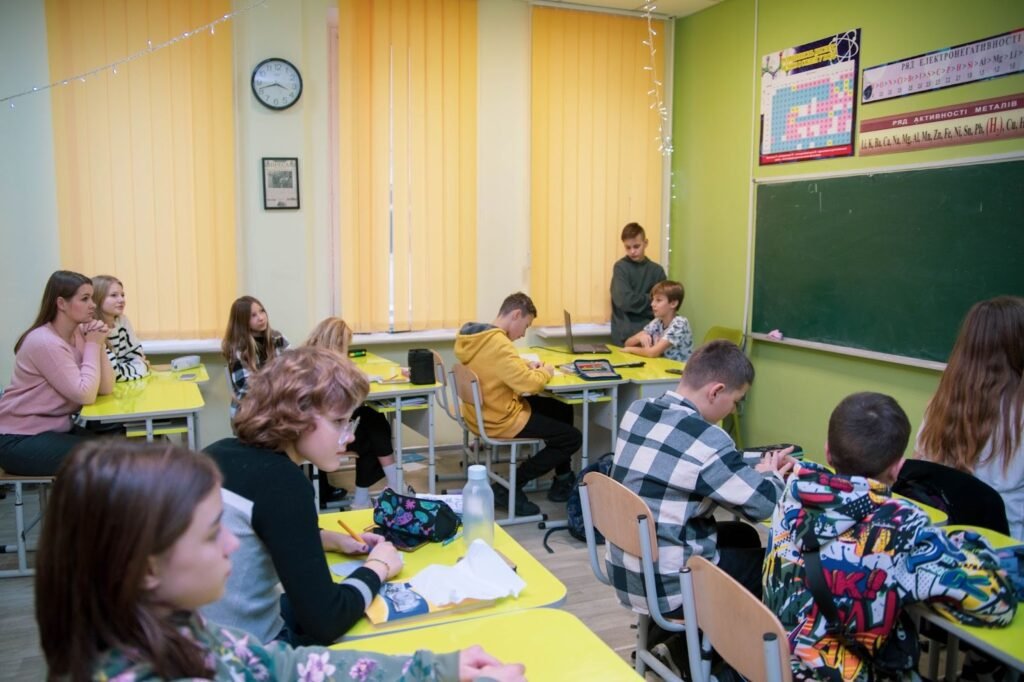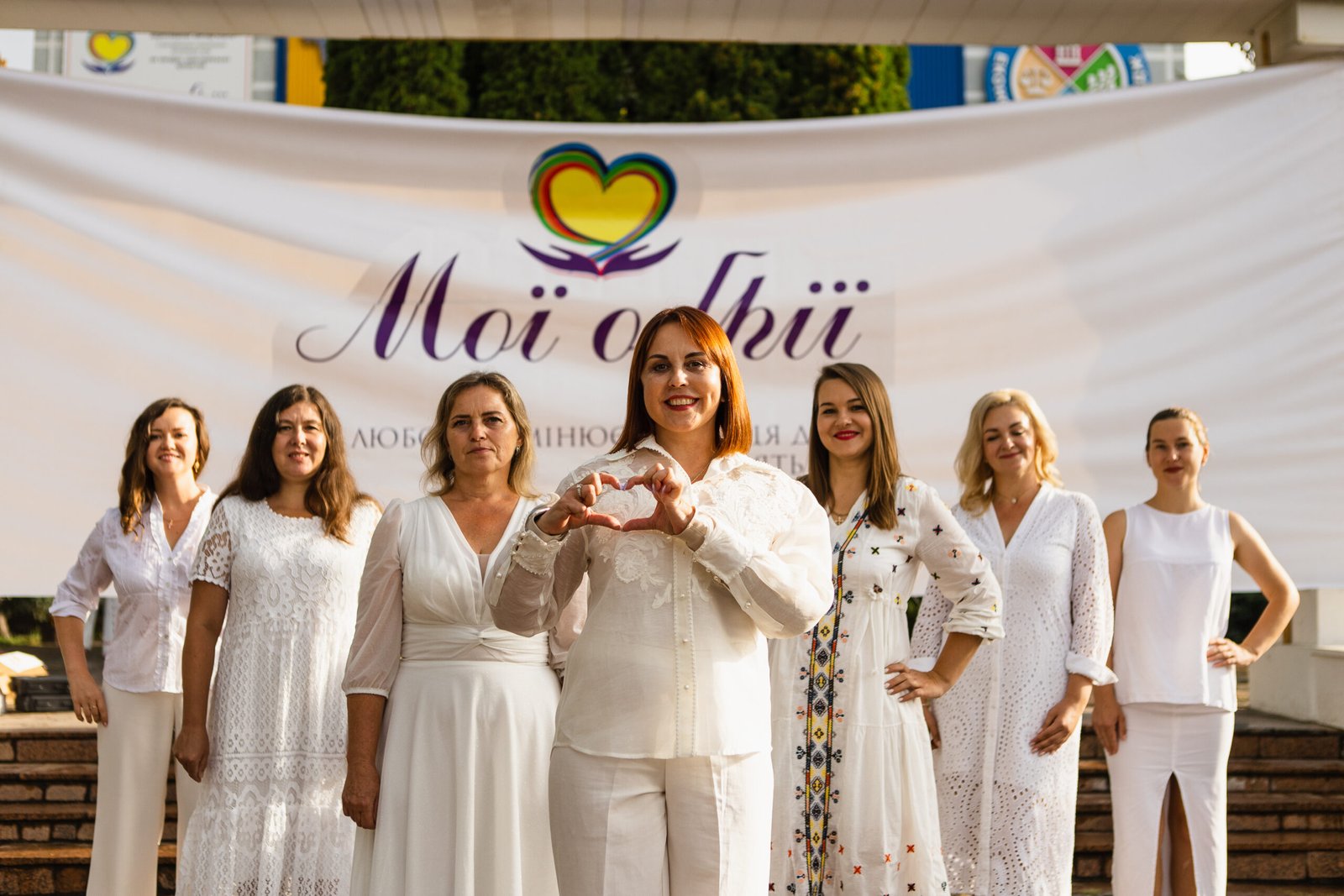
Mentorship and Tutoring: An Individual Development Path at “My Horizons”

Every child learns at their own pace, responds differently to challenges, and experiences success in their own way. That is why at the “My Horizons” Lyceum it is important for each student to have an adult nearby who sees their individuality, hears their needs, and helps them move forward without fear of making mistakes. This is how the system of mentorship and tutoring emerges—transforming learning into a personal journey rather than a “competition with others.”

What mentorship is and why it matters

By mentorship, we mean a warm, trusting interaction between an adult and a student, where the educator not only teaches a subject but also supports the child in everyday decisions. A mentor helps identify strengths, notice achievements—even small ones—and gradually build confidence in one’s own abilities. For a child, this means something simple yet very important: there is someone nearby who truly cares.

Through mentorship, children learn to set realistic goals and understand how to achieve them. This reduces anxiety, helps them cope with challenging periods in learning, and maintain interest in school even when the workload is heavy.
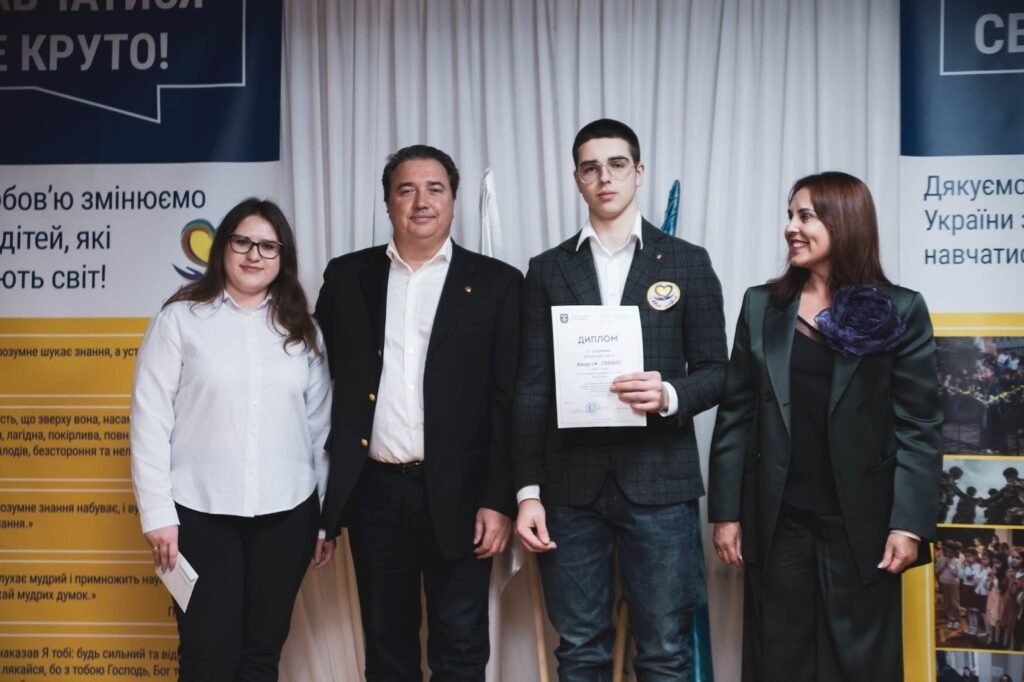
Tutoring as personalized student support

Tutoring at the “My Horizons” Lyceum is a structured approach to building an individual educational trajectory. A tutor does not replace subject teachers, but becomes a “guide” in learning—helping plan workloads, set priorities, and balance lessons, extracurricular activities, and rest.

During regular meetings, students can openly talk about difficulties: knowledge gaps, fatigue, misunderstanding of material, or doubts about their abilities. The tutor and the child work together to find solutions and follow a plan, step by step developing responsibility for results.

The main tasks a tutor performs can be described as follows:

  • helping plan the academic week and set priorities;
  • providing support during challenging periods of study or adaptation;
  • jointly reviewing achievements and setting new goals.

After the list, it is important to emphasize that this interaction is not about control, but about partnership. The child feels respect for their decisions and learns independence without pressure.

Individualized education as the foundation of development

Thanks to the combination of mentorship and tutoring, the lyceum fosters truly individualized education. Students are not “fitted” into a single template. On the contrary, their pace, interests, needs, and personal goals are taken into account. Some dive deeper into science, others into creativity or sports—and every path is valuable.

Individualized education means that the child gradually takes responsibility for their own journey. They begin to understand why they are learning, what truly interests them, and how it can become part of a future profession or calling. For parents, this brings peace of mind; for the child, a sense of support and confidence.
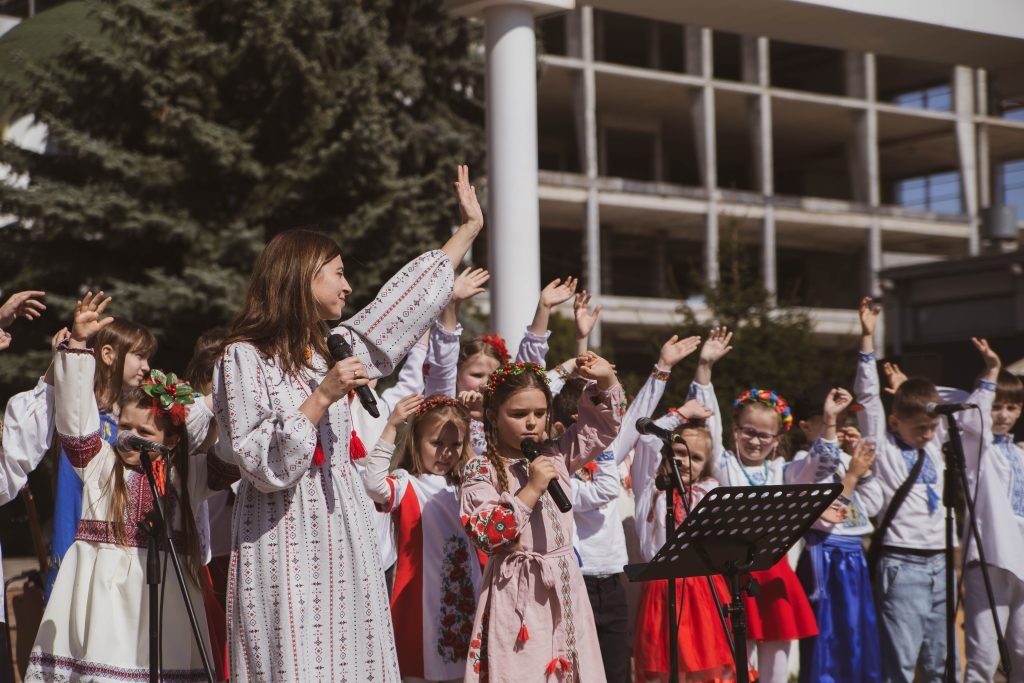
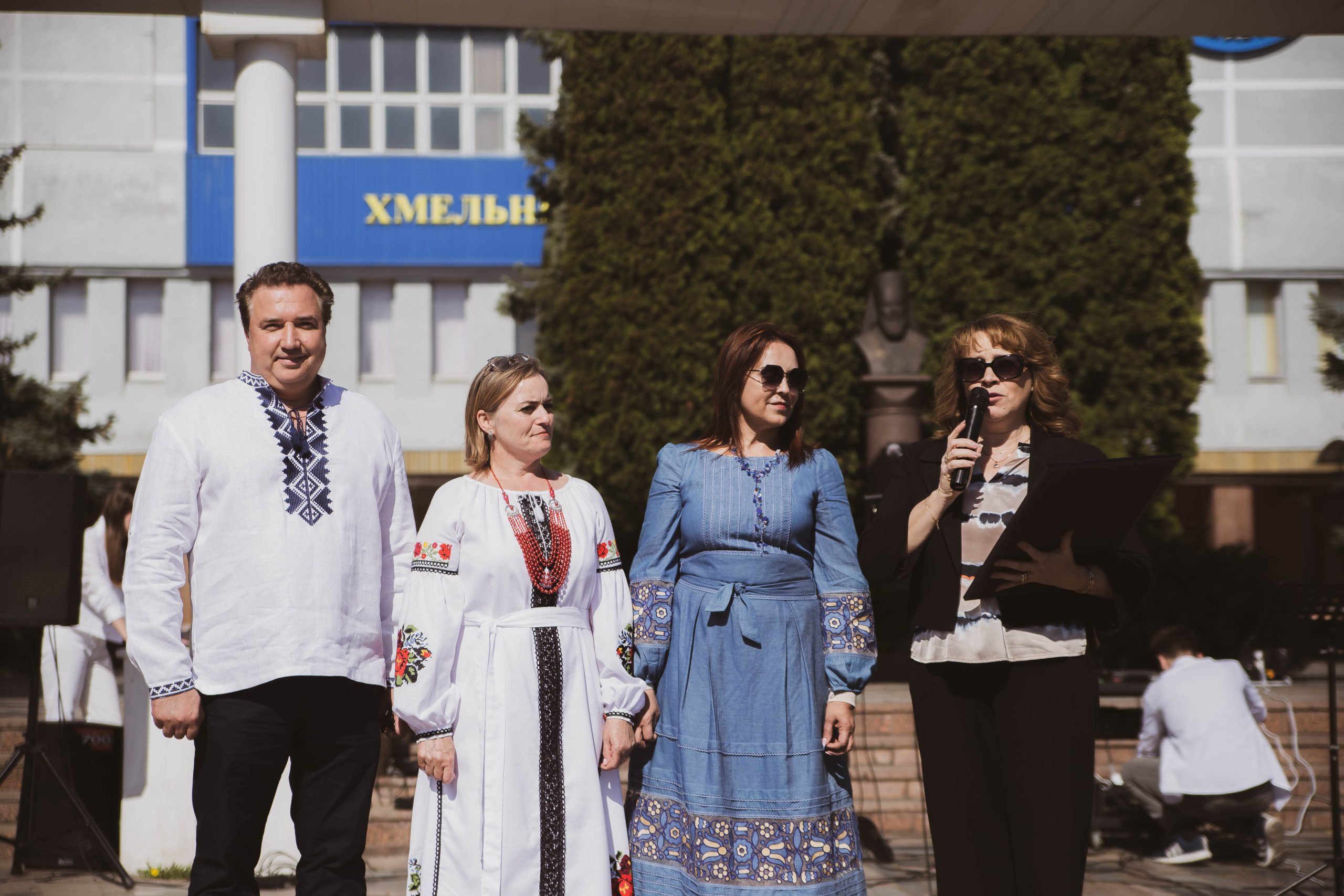
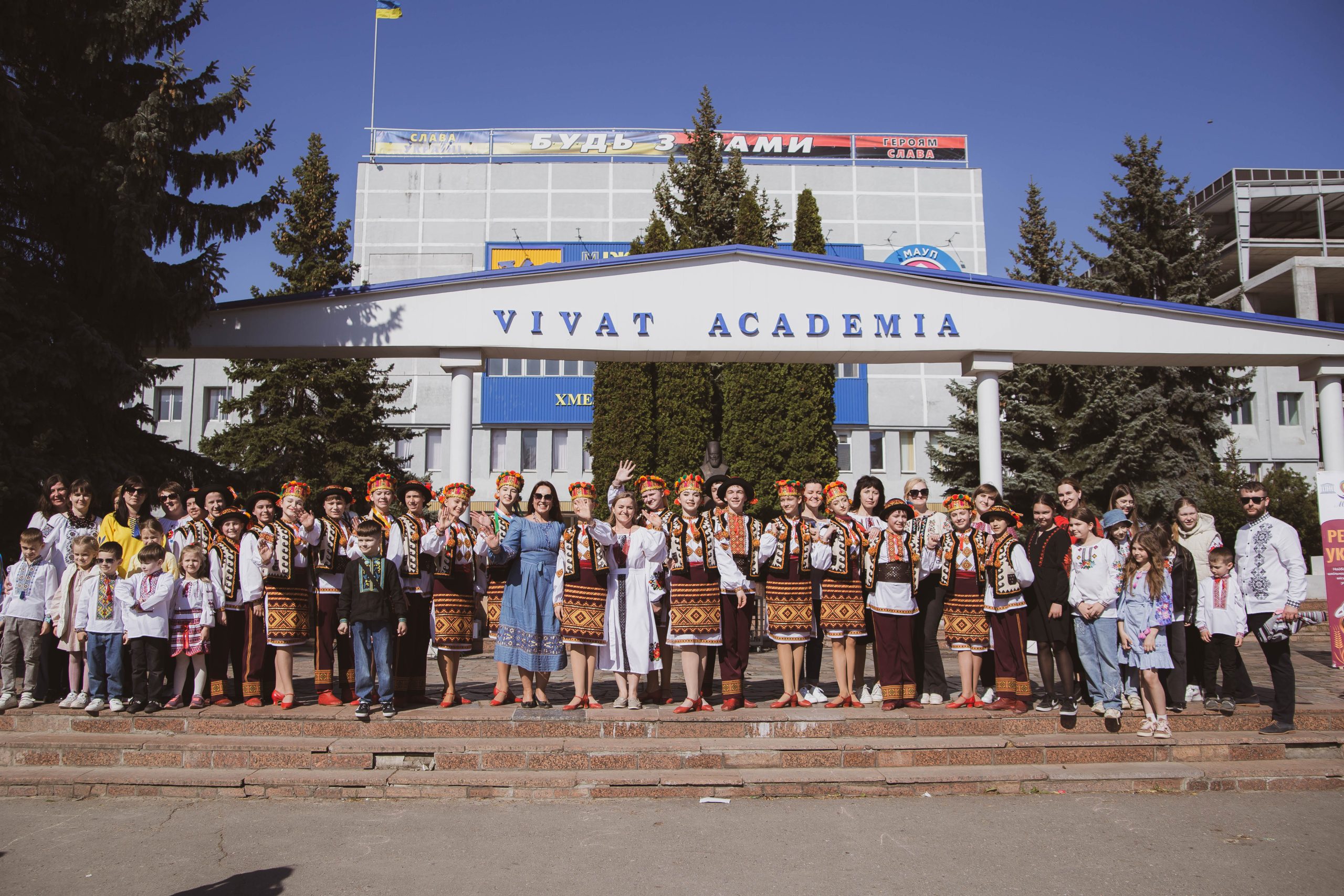
Діти виступають на святковому концерті в ліцеї «Мої обрії».

“My Horizons” — a school where every child is seen

The “My Horizons” Lyceum is a school where children are truly noticed. Here, students are not treated as “a name on a class list,” but as individuals with their own character, pace, challenges, and dreams. It is important that a child feels heard, that their opinion matters, and that their feelings are respected.

That is why mentorship, tutoring, and individualized education at the lyceum are not just formal terms, but the daily work of teachers and tutors. This approach helps students grow without excessive pressure, gradually раскрывая their talents, believing in their own abilities, and calmly shaping a vision of their future.
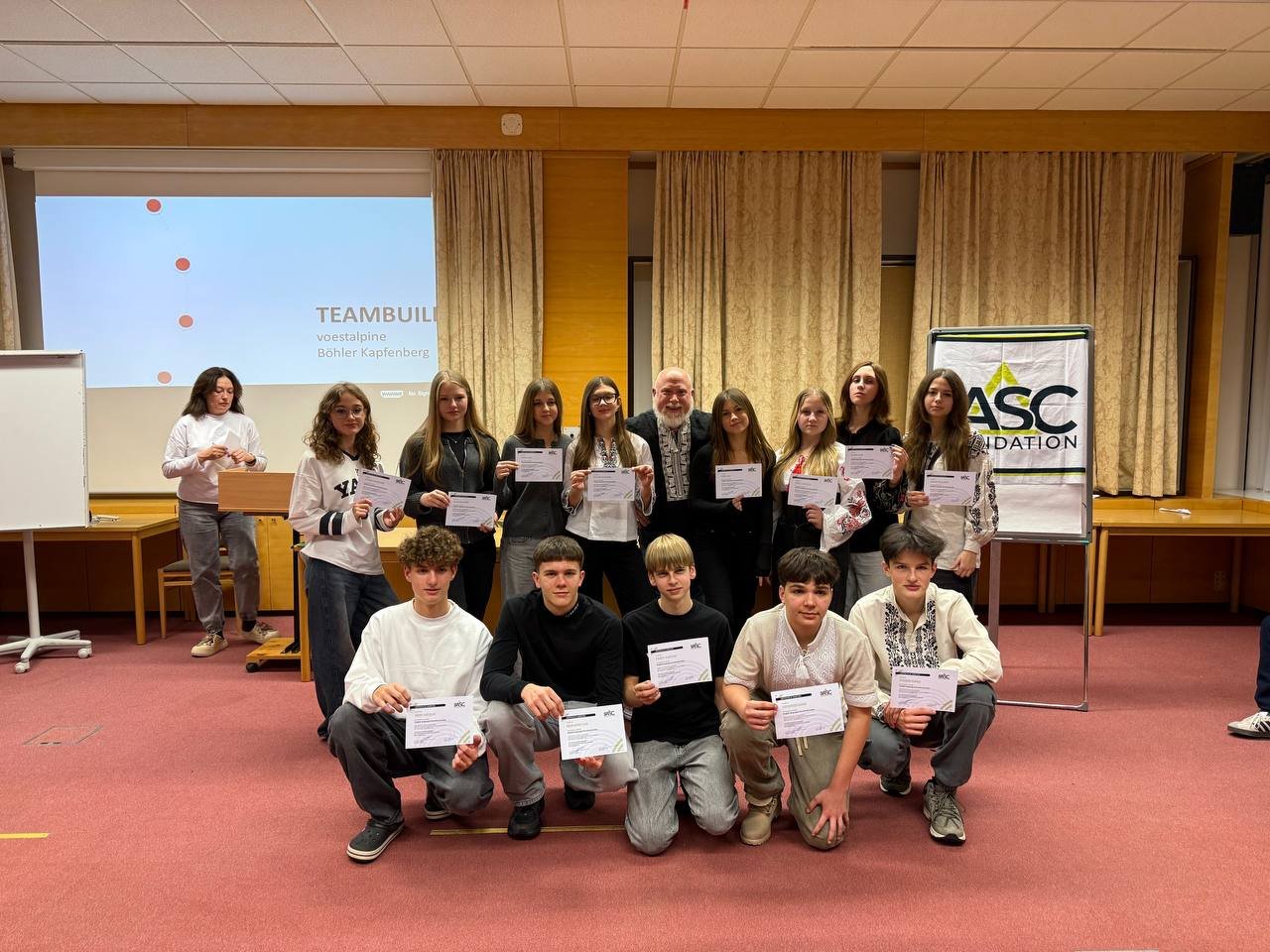
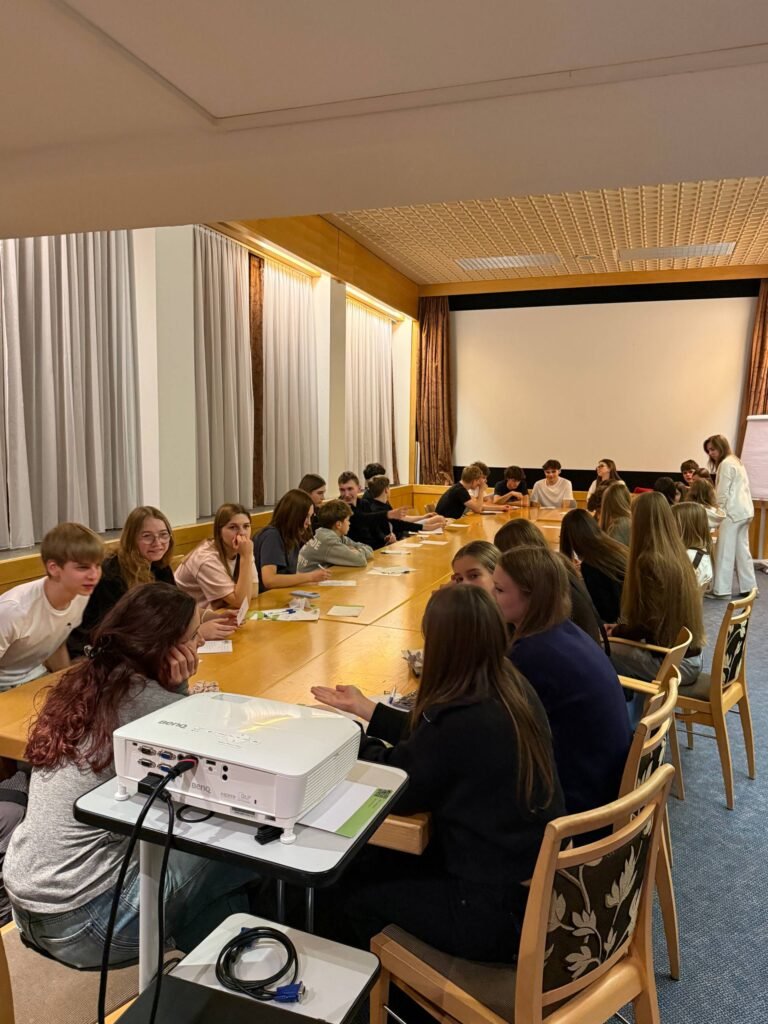
Educational Trips to Austria: International Experience of the “My Horizons” Lyceum

When a child steps beyond their familiar environment, the world seems to expand. New cities appear, a different language, a different school, a different pace of life. That is why educational trips to Austria have become an important part of the learning experience at the “My Horizons” Lyceum. These are not tourist excursions just for photos. They are an opportunity to see the world more broadly, to listen to oneself, and to realize how many choices lie ahead.

Such trips help combine learning with live communication with peers from other countries. Children see how European schools operate, visit museums, universities, and research centers, and practice speaking a foreign language without fear of making mistakes. And most importantly, they feel that they are part of a large global community.

Why Austria: education, culture, safety

Austria attracts with its harmonious combination of classical European culture and modern education. Here, children are treated with respect — including their right to ask questions and express their own opinions. Students visit historic cities, museums, and natural parks, observing how preserved traditions coexist with new technologies.

For children, this is not just another country on the map. It is a place where they learn to navigate a new environment, use public transport, plan their day, and take responsibility for their own decisions. Adults are nearby, but the child takes small yet important steps toward independence on their own.

What international programs give our students

Educational travel is part of a broader approach to learning. That is why we speak about international programs that combine school education, culture, languages, and personal development. Before the trip, children learn about the country’s history, traditions, and basic language phrases; after returning, they share their impressions through presentations and personal discoveries.

During these trips, students gain experience that cannot be conveyed by textbooks alone. They learn to communicate, support one another, overcome anxiety, and take responsibility for shared rules. These are the moments that stay in memory for a lifetime.

The key outcomes that educational trips bring to children can be summarized as follows:

  • confidence to speak a foreign language in real-life situations;
  • stronger motivation for learning and self-development;
  • a broader worldview and understanding of other cultures.

After the list, the text continues as usual. Children return home changed — more mature, more confident, with a sense that the world is open to them. They begin to ask more questions and dream more boldly about future education and travel.

“My Horizons” as a space of opportunities

The “My Horizons” Lyceum is a space where learning does not end at the classroom door. Knowledge here is combined with real-life experience: travel, projects, meetings, and participation in shared initiatives. Children see how what they learn in lessons works in real life, which increases motivation and interest.

Educational trips to Austria hold a special place. In a new country, students encounter a different language, culture, and school environment, try themselves in unfamiliar situations, and gradually learn independence. They return home with the feeling: “I can do more than I thought.”

Such international programs become a bridge for children between today’s school life and the adult world. After these trips, dreams of studying abroad or pursuing an international career no longer seem distant, but become real goals that can be pursued step by step together with the “My Horizons” Lyceum.

TEST Drive at “My Horizons”: Experience Learning Before Enrollment

For parents and children, it’s important not only to hear about a school, but to see it from the inside. That’s exactly why the “TEST Drive at My Horizons” format was created — an opportunity to spend a week at the lyceum and get to know the teachers, the atmosphere, and the pace of learning. On March 23, children will be able to experience what a real school day looks like: classes, breaks, projects, and live communication with peers.

This is not a tour or a presentation. It’s a real experience: the child becomes a member of a class, receives assignments, takes part in group activities, and understands whether our rhythm and approach to learning are the right fit.

Discover the Opportunities of Education

The one-week immersion format helps reveal what truly matters: what the school can offer your child. Discover the opportunities of education means looking at learning more broadly than just grades in a journal. During the test drive, children explore different areas: academic subjects, creative activities, and peer teams.

Parents also gain many important answers: how the day is organized, how teachers communicate with children, and how high expectations are balanced with support. This helps families make a thoughtful, well-informed decision about further education.

Opportunities the TEST Drive Opens Up

  • Real participation in learning activities, not “demonstration lessons”;
  • Getting to know teachers, tutors, and classmates in a real working environment;
  • Feeling the true school atmosphere without embellishment — exactly as it is every day;
  • Trying different learning formats: individual tasks, group work, and project-based activities;
  • Immersion in the lyceum schedule: lessons, breaks, and extracurricular activities;
  • The opportunity to ask questions to teachers and tutors during or after classes;
  • The first clear understanding of whether the child feels comfortable with the pace, communication style, and academic expectations of the lyceum.

After all this, one thing is worth emphasizing: the best indicator is the look in a child’s eyes after the first day. If they want to come back, that speaks volumes.

How to Build an Individual Learning Track for Your Child

Every child has their own pace, interests, and level of readiness for academic load. That’s why we pay special attention to creating an individual learning track. During the test drive, teachers and tutors observe what engages the child, what comes easily, and where additional support may be needed.

After the week is over, parents receive detailed feedback: the child’s strengths, growth areas, and recommended development directions. This allows families to build an educational trajectory without haste or pressure, taking the student’s personality into account.

Modern teaching methods at MOI OBRIY private kindergarten, Khmelnytskyi

Learn About Admission Trends and Conditions at “My Horizons” for 2026

Education evolves every year, and what was once an “extra option” often becomes a basic standard. New courses appear, and more focus is placed on critical thinking, teamwork, digital literacy, and self-presentation skills. During the test drive, parents can learn about admission trends and conditions at My Horizons for 2026: which competencies are important for a modern lyceum student, how adaptation support works, and what the school expects from children and families.

We openly explain that admission is not only about grades. Motivation, willingness to work, curiosity, and openness to collaboration are equally important. That’s why during meetings we discuss the interview format, diagnostic tasks, individual educational trajectories, and how the school helps newcomers integrate into the community without unnecessary stress. Transparency reduces anxiety: families clearly understand what to expect and can prepare calmly.

Topics Discussed in Detail with Parents

  • What a modern lyceum is and how it differs from a traditional school;
  • Which educational programs, profiles, and additional courses are available to students;
  • How adaptation after enrollment is organized and what support children receive in the first months.

After this, parents gain a complete picture — not only how to enroll, but why it matters specifically for their child, what results they can achieve, and what opportunities studying at My Horizons will open up in the coming years.

Specialized Programs of the “My Horizons” Lyceum: Leadership, Science, and Financial Development

Education in a modern school is not limited to textbooks and tests. Children need space to try, make mistakes, discover, and make their own decisions. That is why the “My Horizons” Lyceum has developed specialized programs that help students identify their interests and gradually build their future. These programs combine academic knowledge with practice, real-life experience, and the support of mentors.

Such programs give children more than just additional classes. They provide an opportunity to take responsibility for a project, learn how to present ideas, work in a team, and see the results of their own efforts. This is where intrinsic motivation for learning is born.

Leadership Program: The Ability to Influence and Take Responsibility

The “Leadership” program helps children realize that their voice matters. Students learn how to organize events, work in groups, resolve conflicts, and negotiate. Leadership here is not about “commanding,” but about listening to others and leading by example.

During leadership classes, children explore real-life situations, discuss possible solutions, and try themselves as organizers and moderators of school initiatives. This helps them overcome shyness and develop healthy self-confidence. These skills become especially important in high school, university, and adult life.

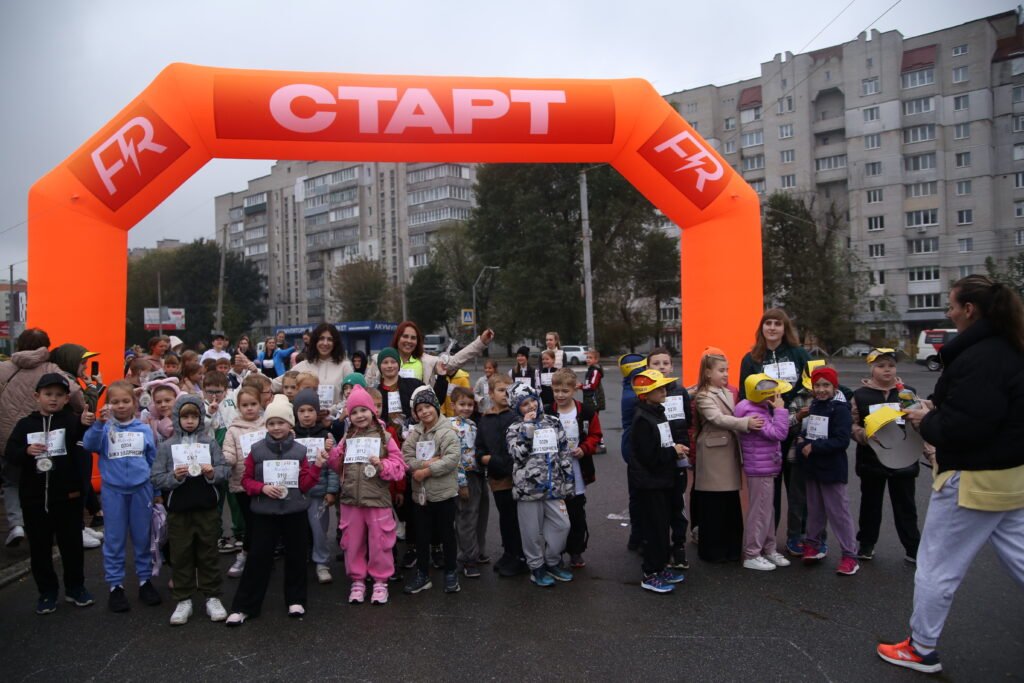
Спортивні збори дітей

STEM Program: Science as Part of Everyday Life

The modern world needs people who are not afraid to experiment. That is why the lyceum places strong emphasis on the STEM program, which integrates natural sciences, technology, engineering, and mathematics. Students work with laboratory materials, conduct experiments, build models, and analyze results.

Before practical activities begin, students receive a brief theoretical explanation and then move on to hands-on work. This creates a completely different learning experience: not memorized and forgotten, but understood and applied. This is how interest in science and technical professions is formed.

The main advantages of STEM education are that students:

  • see the connection between school subjects and real life;
  • develop logical thinking and critical thinking;
  • learn to work in teams toward a shared result.

After the list, the regular text continues. Children feel that science is not something detached from reality, but a tool for understanding the world and creating something new with their own hands.

Financial Literacy: Understanding Money and Responsibility

The “Financial Literacy” program helps children understand topics adults often discuss quietly: money, savings, expenses, and planning. Students learn how to create simple budgets, distinguish between needs and wants, and understand the value of things and their own work.

Before financial exercises, students discuss real-life examples: pocket money, holiday spending, and shared family plans. This is not dry theory, but a conversation in a language they understand.

During financial literacy classes, students gradually master:

  • the basics of budget planning;
  • fundamental principles of saving;
  • a responsible approach to personal financial decisions.

After the list, the text continues. This is how children develop not only the ability to earn money, but also to manage resources wisely, respect the work of others, and value their own time.

Why Specialized Programs Are Important Right Now

The world is changing rapidly, and children need more than just “knowledge of subjects.” It is essential to communicate effectively, remain flexible, think critically, and not be afraid of new challenges. That is why the specialized programs of the “My Horizons” Lyceum form a strong foundation for a confident future.

The combination of three areas — leadership, STEM, and financial literacy — helps shape a well-rounded, conscious, and independent individual. Children gradually understand who they want to become, what interests them, and how to move in that direction. And nearby, there are always adults ready to support, explain, and help take the next step.

Lyceum “My Horizons”: Strengths and Values That Set Us Apart Among Ukrainian Lyceums

Today, parents are looking not just for a school, but for an environment where their child is seen, heard, and supported. This is exactly what the “My Horizons” Lyceum offers — a place that combines modern education, genuine care, and attention to a child’s inner world. Here, success is understood as something greater than grades, because what truly matters is self-confidence, the ability to think, make choices, and move forward.

Educational Values the Lyceum Is Built Upon

At the heart of school life lies a system of values that creates an atmosphere of trust and respect. A child feels accepted with all their personality traits, learning pace, and interests. This helps them overcome fear of mistakes and confidently try new things.
Our core principles are simple and clear: support, partnership with the student, and respect for their individuality. These values help gradually unlock potential and build a healthy self-esteem.

Academic Preparation and Modern Learning Approaches

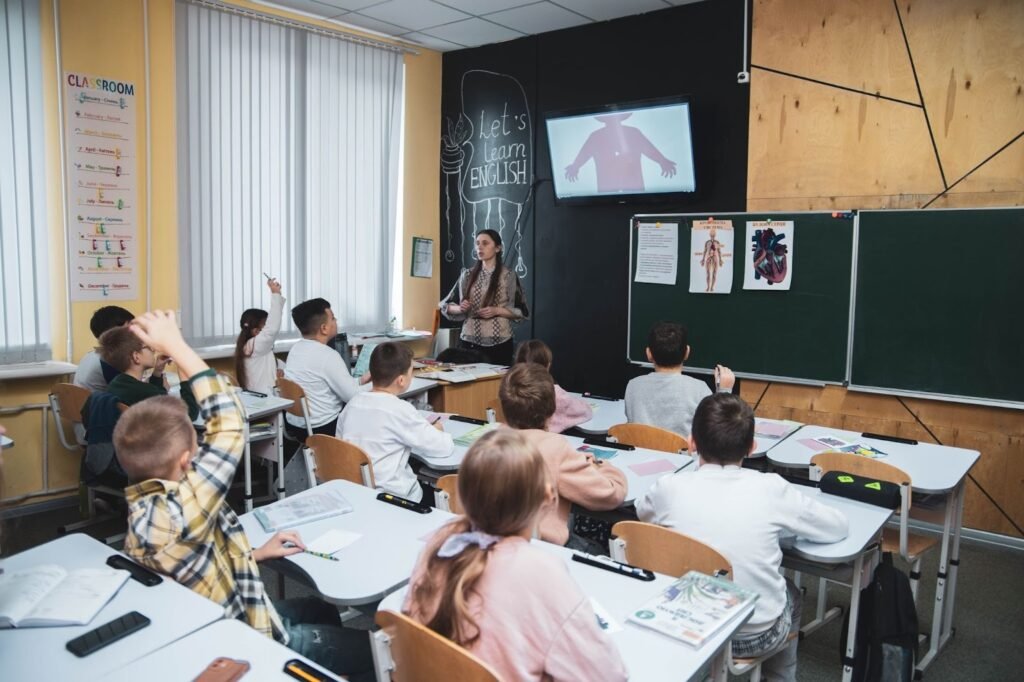
Education at the lyceum is focused on real-life skills that students will need in the future. Children gain solid knowledge in key subjects while also learning to analyze information, think critically, and work in teams. Lessons go beyond textbooks — we use interactive formats, projects, and research-based tasks.
Thanks to this, our graduates feel confident in new situations, easily adapt to change, and are not afraid of challenges. This is how the school’s strengths are formed — strengths that parents can clearly see in their own children.

Advantages Felt Daily by Students and Parents

The educational environment of the lyceum is not only about lessons. It is communication, mentor support, and an atmosphere of safety and trust. Every child has the opportunity to express themselves in academics, creativity, sports, or social projects.
Among the key aspects most often highlighted by parents as our advantages are:

  • caring attitude of teachers toward students;
  • small class sizes and personal attention to each child;
  • opportunities to develop individual abilities.

This is what turns education from a formality into an important part of a child’s life. After classes, students stay at school willingly, not because they have to. They feel safe, have friends, mentors, and space for their own ideas.

Why “My Horizons” Lyceum Is the Choice for Those Who Think About the Future

Parents choose our educational institution not only for its academic programs or convenient location. For them, it is important that their child is seen as a person, not just a “set of grades.” At “My Horizons,” children are not compared to others — they are encouraged to compare themselves today with who they were yesterday, notice their own progress, and feel confident in their abilities. Different learning paces and personalities are valued here, so every student can move forward in their own way.

We pay great attention not only to academic knowledge but also to life skills. Children learn to make decisions, take responsibility for their actions, work in teams, and listen to others. This forms a conscious attitude toward learning and their future. This is the true advantage of the lyceum: not only to teach subjects but also to help children understand themselves, their interests, and their potential.

“My Horizons” Lyceum is an environment where a child grows in an atmosphere of respect, support, and love for learning. Students know that their opinions matter, and mistakes are not a verdict but a natural step toward success. We believe every child has talents — sometimes they just need time and a caring mentor to reveal them. The school’s mission is to help children discover these talents, strengthen them, and turn them into inner support.

Thanks to this approach, our educational institution is often called one of the top lyceums in Ukraine. For us, this is not about “rankings,” but about children who grow into adults with open hearts, strong knowledge, and readiness to build their own lives. Our graduates step confidently into the future because they know they were supported, believed in, and taught to be themselves.