
- Content
Starting school is an important stage for both children and adults. How the first year goes often shapes a child’s attitude toward school, their self-confidence, and their willingness to learn. That is why preparing for school is not only about a backpack, notebooks, and a uniform. First and foremost, it is about emotional readiness, family support, and a sense of safety for the child.
At the “My Horizons” Lyceum, we see every day how different first graders can be. Some already read, some are just learning letters, some make friends easily, while others find it hard to let go of their mother’s hand. All of these situations are normal. The most important thing is to help the child feel that school is a place where they are welcomed and supported.
Readiness for first grade: what to pay attention to
Before a child starts first grade, parents often worry: do they know enough, can they write, count, or read? But true readiness goes beyond academic skills. It is important that a child can listen to the teacher, follow simple instructions, finish tasks, and not be afraid of making mistakes.
Emotional stability and a sense of support from adults sometimes matter more than the ability to read quickly. When a child knows they will be accepted even with mistakes, they become more engaged and catch up with knowledge more easily.
The main signs of school readiness can be described as:
- interest in learning new things and a desire to go to school;
- ability to communicate with peers and adults;
- capacity to stay focused on a task for a period of time.
After this list, it is important to remember that all children are different, and their pace of development also differs. There is no need to compare first graders with one another—it is better to notice each child’s individual progress.
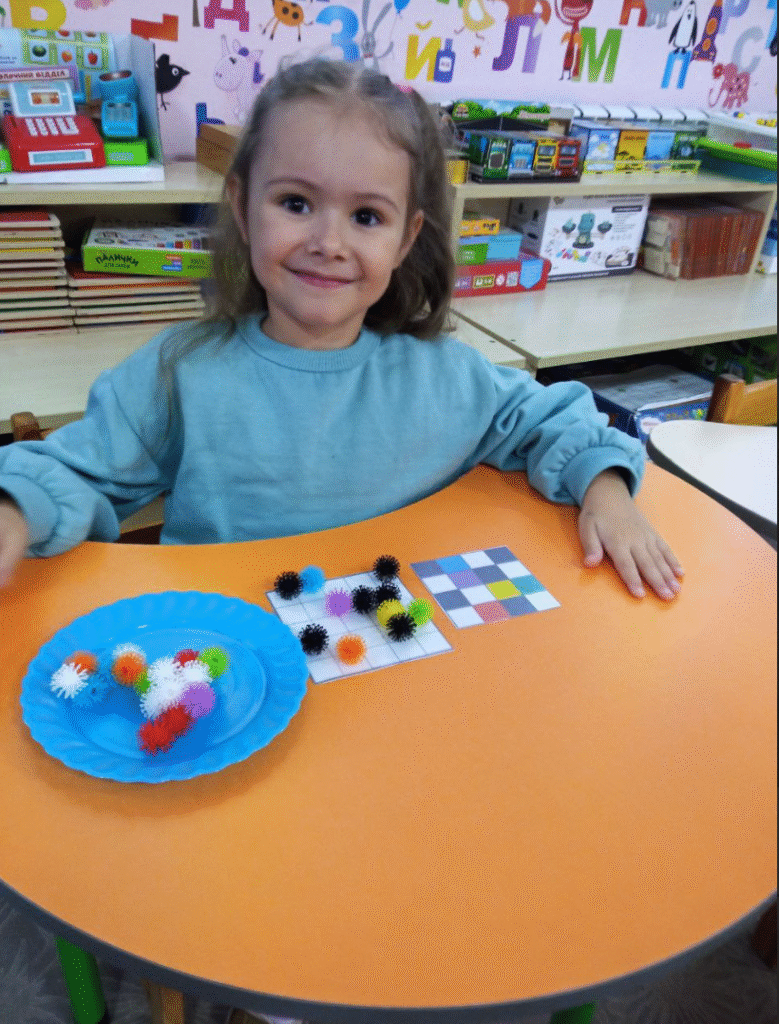
How parents can help a child adapt
The start of school is not only about new notebooks, but also about a new rhythm of life. That is why advice for parents before school often concerns daily habits rather than textbook topics. It is helpful to establish a sleep routine in advance and teach a child to pack their belongings and take responsibility for small tasks.
It is important to talk more with the child about school: what a school day looks like, who the teacher is, what breaks are, and what to do if something doesn’t work out. When a child understands “how everything works,” anxiety decreases.
Among simple tips that truly help during the first school year are:
- supporting the child with words and actions, not only demands;
- discussing feelings after school, not just grades;
- avoiding comparisons with other children and noticing the child’s personal progress.
After the list, it is worth emphasizing that the presence and calmness of adults are the child’s main resources during the adaptation period. When parents believe in their first grader, the child begins to believe in themselves.
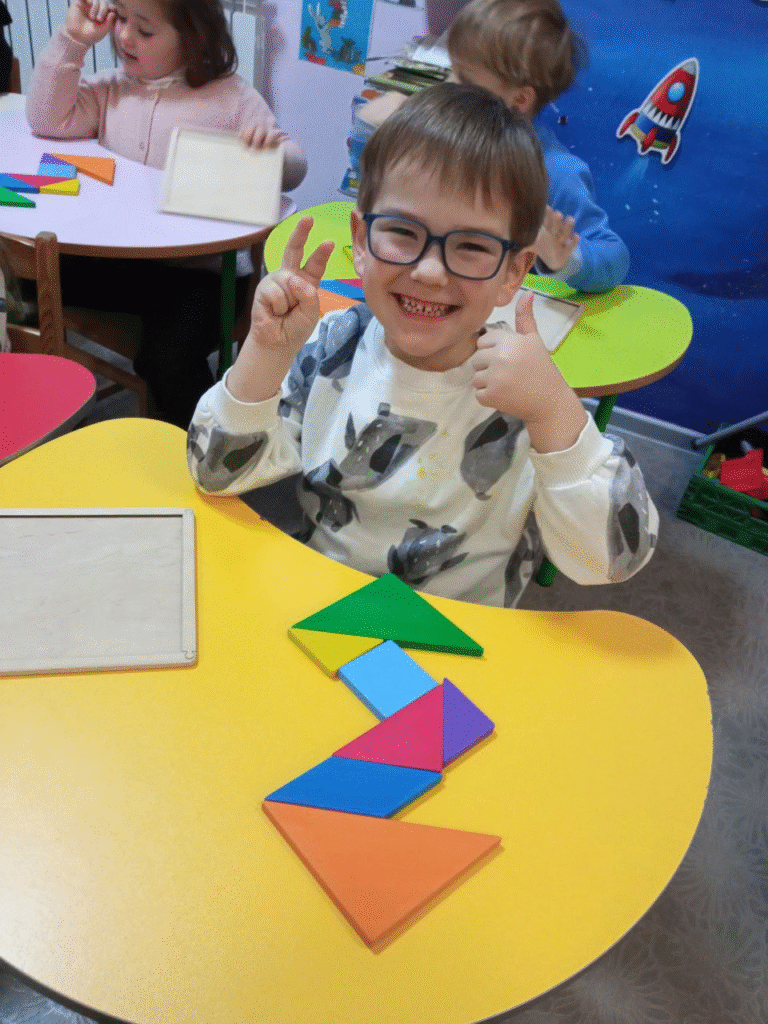
The role of school in preparing a child for learning
At the “My Horizons” Lyceum, first grade is seen as the beginning of a shared journey involving the child, the school, and the family. Teachers pay great attention to helping children get to know one another, engage in group play, and follow simple routines that create a sense of stability. It is important that a young student does not feel left alone with a new system, but sees adults nearby who support and help them understand new rules.
For us, school preparation is inseparable from emotional comfort. Teachers observe not only how a child reads or counts, but also how they integrate into the group, respond to changes, and whether they withdraw into themselves. During class meetings and everyday interactions, feelings, concerns, and expectations are openly discussed. This helps form a simple yet very important feeling: “At school, I am seen, heard, and accepted.”
That is why we always emphasize cooperation with families. Teachers share with parents what they notice about the child’s behavior in class, and parents talk about how the child experiences the first months of school at home. Together, it is easier to provide timely support, encouragement, and reduce unnecessary anxiety. Step by step, this creates a school environment where a first grader feels safe and at the same time ready to discover a new, engaging world of learning.
Key competencies and skills that help a child adapt easily.